



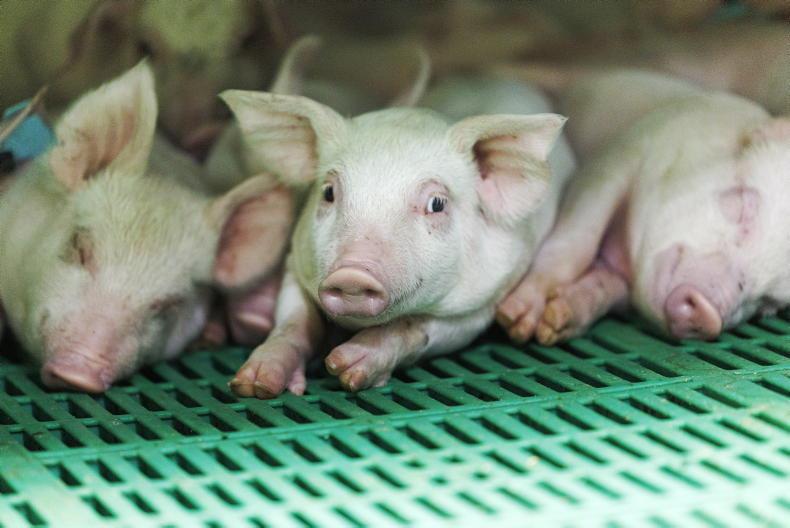
The revised Nutrient Action Programme (NAP) proposals are “workable” for NI pig producers, a leading industry consultant has said.
Dr Violet Wylie said measures in the original NAP consultation in May 2025 would have led to “wipe out” in the local pig sector.
Analysis conducted by Wylie at the time found that phosphorus (P) balance proposals in particular could have resulted in an 80% drop in pig numbers in NI.
In the revised NAP proposals, which were published last month, pig and poultry farms that operate under IPPC licence will not be subject to P balance requirements.
“IPPC make producers do a farm P balance, so it’s already done. There is no point in doing it twice,” Wylie said during an online UFU event on Monday.
Under the new NAP proposals, the local pig sector is still expected to contribute to a 30% reduction in the overall P surplus across NI agriculture.
Wylie said any major contribution from pigs was likely to come from longer term “end of pipe solutions”, such as separating, processing and exporting slurry solids out of NI.
She explained this was because the sector has already significantly reduced phosphorus and nitrogen levels in pig diets over the past 20 years.
“We asked for time because we have done so much work in phosphorus and nitrogen. We couldn’t go any further than that,” Wylie said.
“We have made the big gains from the early 2000s going from 0.6% down to 0.4% total P in finishing diets, which made a 50% reduction in total P coming from finishing pigs,” added Elizabeth Ball from AFBI.
Technology
Colin Henry, who represents the NI Pig and Bacon Forum, said pig sector representatives have already been active in looking at technologies for removing nutrients from slurry.
He said the two main pork processors in NI “want to see action on end of pipe solutions”, but he suggested that their financial input into the process would be limited.
“There is nothing that I have heard to make me think that they are in any way prepared to step in here,” commented John McLenaghan from the UFU.
The union president suggested concerns about NAP within the NI pig sector have been overshadowed by recent uncertainty around supply contracts to Sofina’s pork factory in Cookstown.
“Maybe in the wider context, NAP doesn’t seem as big a problem right now,” McLenaghan said.



SHARING OPTIONS