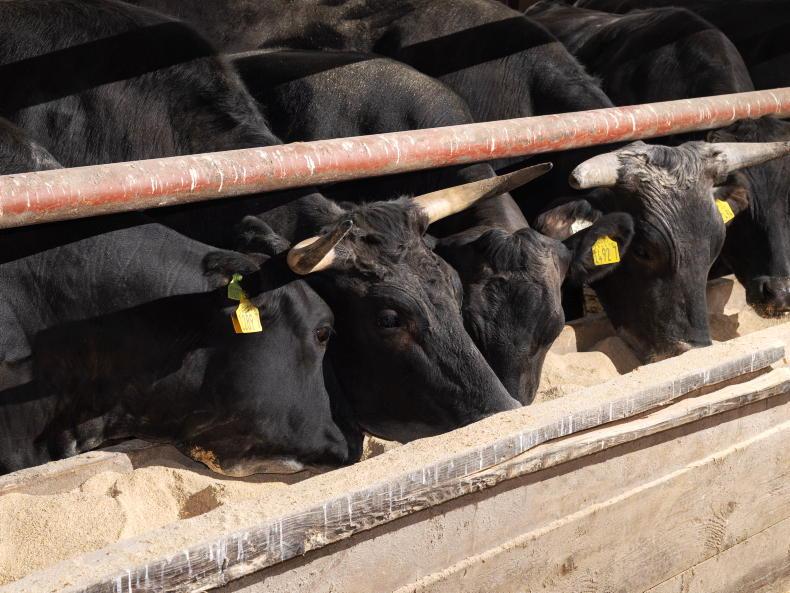
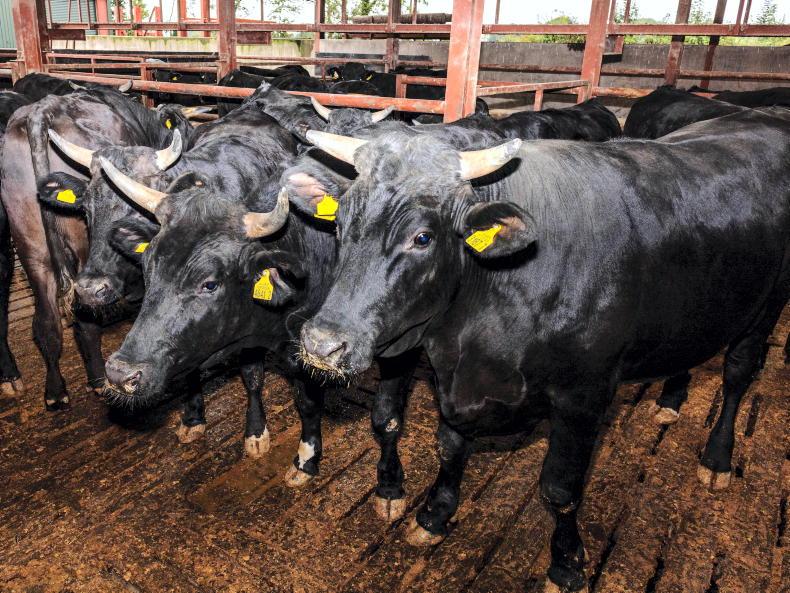
A gourmet meat company based in Milford, Co Armagh, is looking to establish a network of NI dairy farms to supply Wagyu calves.
At present, Kingsbury Farms is feeding almost 4,000 Wagyu cattle, with the majority of these coming from the Republic of Ireland (ROI), where spring calving is dominant.
For a more consistent seasonal supply of cattle, the firm is looking to work with autumn-calving herds in NI, as part of the latest phase of its expansion.
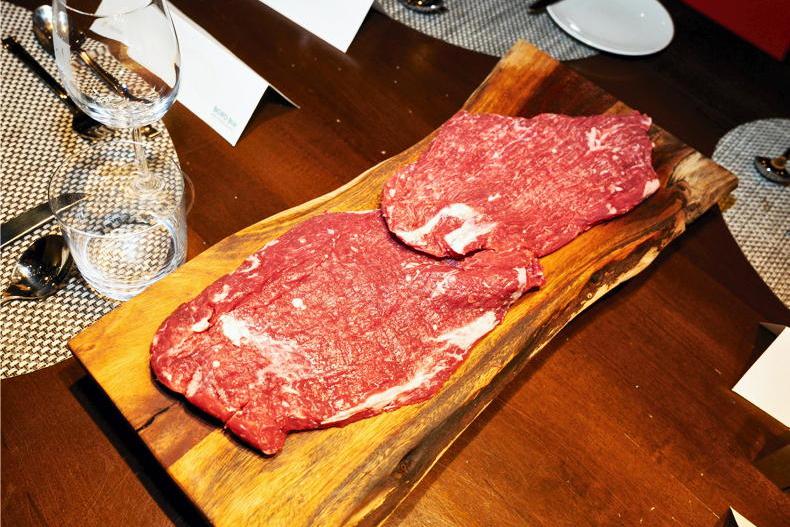
Allan Morris, managing director of Kingsbury Farms, said the business is focussed on selling Wagyu beef to high-end restaurants and it has ambitions to reach into export markets.
“We want to introduce Kingsbury Farms on a global scale and have customers around the world. We want to be the best in class when it comes to Wagyu beef,” he said.
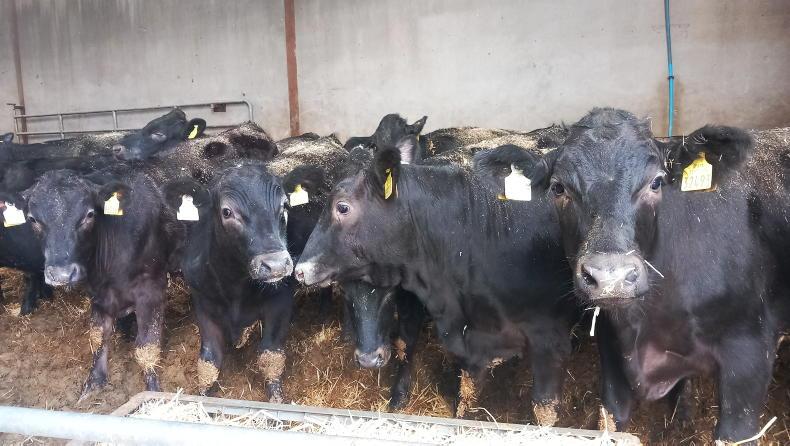
The arrangement for local dairy farmers is that Kingsbury supplies Wagyu semen and then collects the calves at three weeks of age.
A pricing system is agreed in advance, with the exact price dependent on the weight of the calf at the point of collection.
Morris said a typical price for farmers in ROI has been around €250/calf, although he acknowledges that calf prices across the board have risen significantly in recent months.
“The pricing structure for the incoming season is up for review and will have to reflect current market values,” he said.
In general, Wagyu bulls tend to be easy calving and have a short gestation, so there are similarities with using the likes of Aberdeen Angus sires on dairy cows.
However, like all types of livestock, there are variations within the breed and Kingsbury has access to various bulls that have different values across key breeding indexes.
“Some farmers just want to go for the shortest gestation, and others want a bigger calf that is worth more. It depends on the type of cow too and we make sure to match the right bull to the right cow,” Morris said.
Movement restrictions due to a bovine TB breakdown could cause disruption to supply arrangement with farmers, especially as it is based around a three week pick up.
Morris said in the event of a TB breakdown, Kingsbury will take calves when movement restrictions are lifted, and an agreement will be reached to cover the extra calf rearing costs.
“We have dairy farmers in the south that have been working with us from the start and are still with us. We are fair to our farmers and fair to our customers,” he said.
In terms of calf rearing, Kingsbury has no strict protocol that dairy farmers must follow, other than the calf gets adequate colostrum and milk replacer and is kept in a healthy environment.
After the calves are collected from the dairy farm, they move to calf rearing facilities in Milford until weaning.
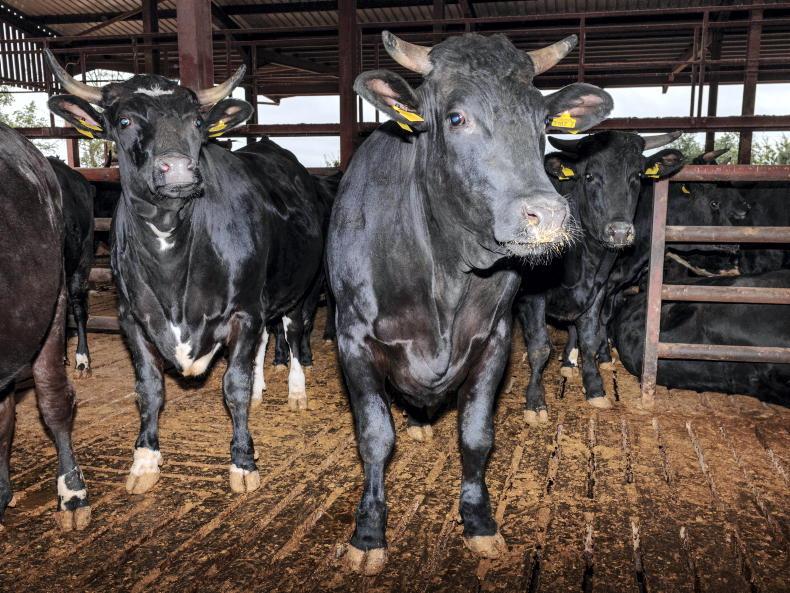
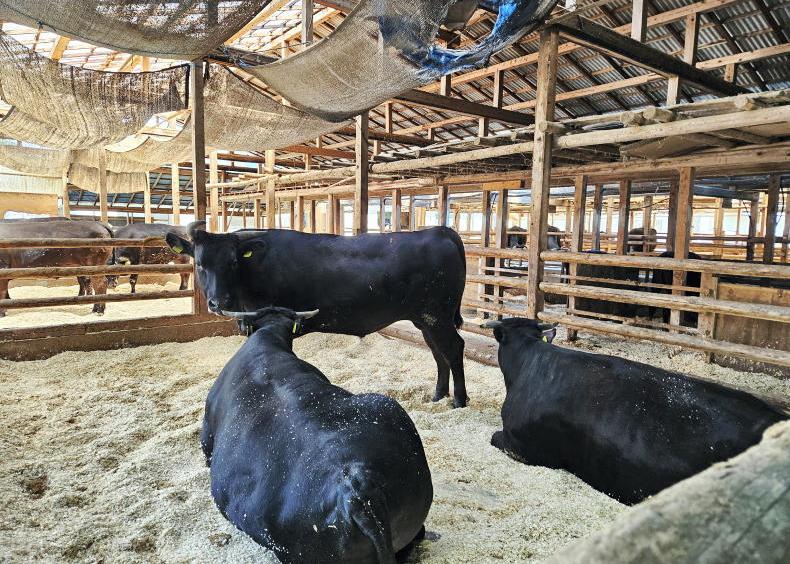
Morris said most Wagyu cattle then go to “specialist feeding units”, which are effectively other farms that provide B&B for Kingsbury’s cattle.
The cattle stay indoors and are only offered meal and straw throughout the growing and finishing periods. They are slaughtered at 22 to 24 months of age and produce a 300kg to 350kg carcase.
Kingsbury Farms was set up five years ago by local entrepreneurs Gerald and Mairead Mackle.
Allan Morris joined the firm earlier this year and has 35 years of experience in developing premium markets for gourmet beef brands.
His ambition for Kingsbury is to sell Wagyu beef across the “global hospitality market”.
At present, the company mostly sells to high-end restaurants and hotels in Ireland and the UK, with some exports going to the likes of Germany and Greece.
Kingsbury is currently working with DAERA on approval for export health certificates so it can sell beef into markets outside of Europe. Asia and the Middle East are seen a key target markets.
“Our product has been refined over the past five years. We see a future for it on the global stage,” Morris said.
Interestingly, Kingsbury is not pushing to get product on to supermarket shelves.
Morris said trends in the retail sector “can go up and down” and he sees the hospitality market as a more reliable outlet in the long term.
If Kingsbury is looking to sell globally, that means competing with the likes of purebred Wagyu from Japan and Angus cross Waygu from Australia.
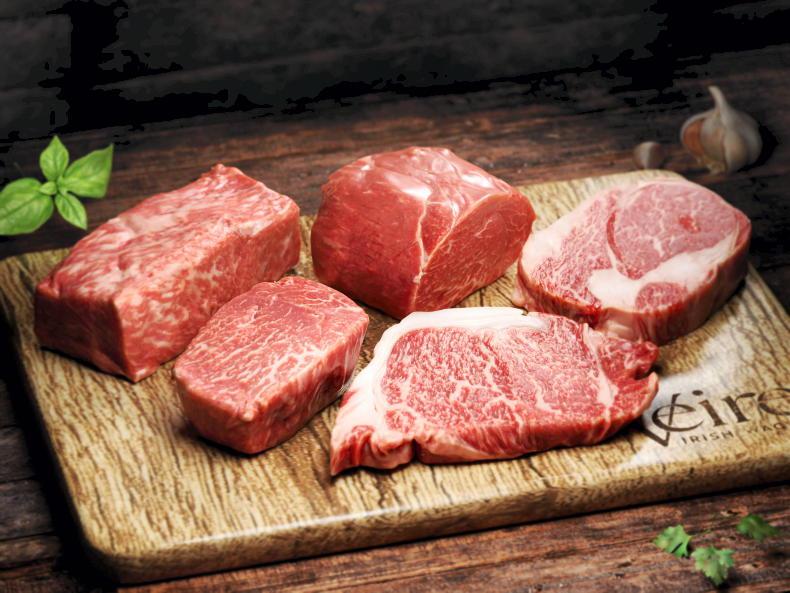
Morris said the breeding and feeding regime that Kingsbury operates means its product has a unique taste and texture when compared to other Wagyu.
He said their meal-fed Wagyu produce beef that is “paler, juicer and more succulent” than Wagyu cattle that have been at grass, which is a common system in Australia.
Similarly, purebred Wagyu from Japan tastes so rich and has such a high marbling score it has to be offered in small portions as larger steaks are often too much for consumers.
By contrast, beef from Wagyu cross cattle have less extreme marbling but the beef is still tender and rich, so it can be eaten as a normal sized steak.
“We want to set new standards for Wagyu beef tenderness and flavour,” Morris concluded.