Northern Ireland’s 185,000ac of forest estate could soon play a key role in renewable energy development, but legal, technical and practical challenges mean progress is likely to be slow.
Speaking at a recent Renewable NI Smart Energy conference in Belfast, John Joe O’Boyle, chief executive of the Forest Service, outlined that work is underway to allow renewable energy projects to be developed on forestry land, with suitable sites currently being identified.
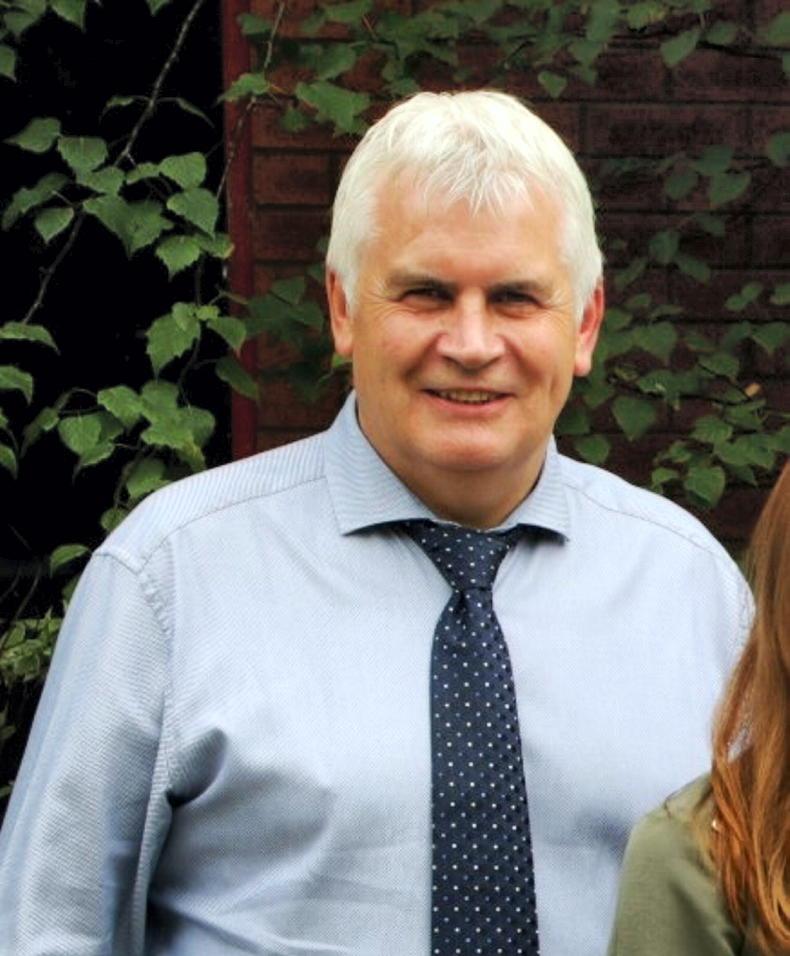
Joe O’Boyle, chief executive of the Forest Service.
Forest estates
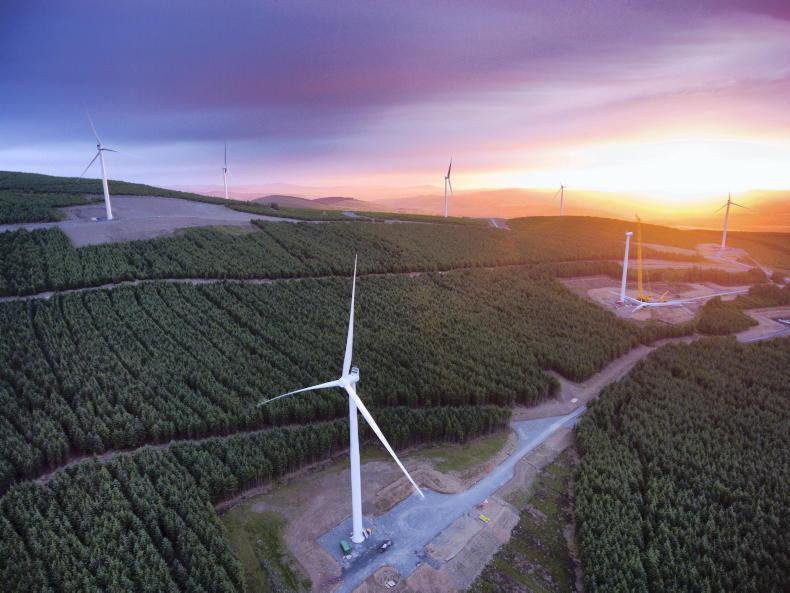
The Forest Service manages a substantial land area across Northern Ireland, and some of this land could potentially be used for renewable energy projects, namely wind farms.
“We manage about 185,000ac of the forest estate and we recognise there is significant potential to contribute to renewable energy from land that we manage,” O’Boyle said.
He explained that the Forest Service has been engaging with developers and industry for several years about how renewable energy projects could be developed within the forest estate.
Legal restrictions
One of the most important points raised was that forestry land cannot automatically be used for renewable projects because of legal restrictions.
“In Northern Ireland there are legal barriers to using forestry land for renewable energy projects, or anything other than forestry. It has to make good forestry sense to be able to use the land for something else,” O’Boyle said.
He explained that forestry legislation does allow land to be used for other purposes, but only if forestry objectives are not compromised.
In Northern Ireland there are legal barriers to using forestry land for renewable energy projects, or anything other than forestry. It has to make good forestry sense to be able to use the land for something else
In simple terms, renewable energy projects can be developed on forestry land, but forestry must remain the primary function of the land. This means only certain sites will be suitable. The Forest Service is currently analysing land to determine which areas could be suitable for renewable energy projects while still meeting forestry requirements.
Storm damage opportunities
An unexpected factor that may create opportunities for renewable development is storm damage across parts of the forest estate. Where forests have already been cleared due to storm damage, it may be easier to consider alternative land uses such as wind turbines or other renewable energy infrastructure, as the land would not require additional tree removal, O’Boyle explained.
Bringing sites to market
The Forest Service is planning to bring suitable sites to the market for renewable development, but O’Boyle said this must be done carefully to avoid delays or complications.
The aim is to package land in a way that is suitable for developers and attractive for investment. However, it is not yet clear yet whether the Forest Service will partner with developers, develop projects itself, or lease land for development.
Unknown scale
When asked about how much renewable capacity could be developed on forestry land, O’Boyle said the Forest Service is currently thinking in terms of land area rather than megawatts.
“At this stage we are looking at hectares rather than megawatts. The megawatts will depend on what developers design and propose,” he explained.
He did confirm that there is a substantial amount of land potentially available, but no specific generation capacity figures have been identified yet.
Challenges
While using forestry land for wind farms may appear straightforward, it comes with several technical challenges.
Studies show that forests can significantly affect wind flow because they create high surface roughness compared to open land such as farmland or mountains. Trees and canopy layers slow the wind and absorb energy from airflow, meaning wind speeds near the ground and within forests are much lower than in open terrain. This is a major issue for wind energy generation because turbine power output depends heavily on wind speed.
To overcome this, turbines in forest areas often require taller towers so that the blades operate well above the tree canopy where wind speeds are higher.
Studies also suggest wind flow over forests can experience strong wind shear, meaning wind speed increases rapidly with height above the canopy. This, along with turbulence, may create uneven loading on turbine blades, increasing structural stress and fatigue on turbine components.
There are also forest edge effects to consider. Wind turbines are typically installed in clearings, but the boundary between forest and open land creates turbulent airflow and complex wind patterns which can affect turbine performance.
Timeline
It is expected that the work to identify suitable areas, and the business case for co-locating renewables with forests will be completed this year, but no timeline was given as to when a tender to developers may be issued.
Northern Ireland’s 185,000ac of forest estate could soon play a key role in renewable energy development, but legal, technical and practical challenges mean progress is likely to be slow.
Speaking at a recent Renewable NI Smart Energy conference in Belfast, John Joe O’Boyle, chief executive of the Forest Service, outlined that work is underway to allow renewable energy projects to be developed on forestry land, with suitable sites currently being identified.
Joe O’Boyle, chief executive of the Forest Service.
Forest estates
The Forest Service manages a substantial land area across Northern Ireland, and some of this land could potentially be used for renewable energy projects, namely wind farms.
“We manage about 185,000ac of the forest estate and we recognise there is significant potential to contribute to renewable energy from land that we manage,” O’Boyle said.
He explained that the Forest Service has been engaging with developers and industry for several years about how renewable energy projects could be developed within the forest estate.
Legal restrictions
One of the most important points raised was that forestry land cannot automatically be used for renewable projects because of legal restrictions.
“In Northern Ireland there are legal barriers to using forestry land for renewable energy projects, or anything other than forestry. It has to make good forestry sense to be able to use the land for something else,” O’Boyle said.
He explained that forestry legislation does allow land to be used for other purposes, but only if forestry objectives are not compromised.
In Northern Ireland there are legal barriers to using forestry land for renewable energy projects, or anything other than forestry. It has to make good forestry sense to be able to use the land for something else
In simple terms, renewable energy projects can be developed on forestry land, but forestry must remain the primary function of the land. This means only certain sites will be suitable. The Forest Service is currently analysing land to determine which areas could be suitable for renewable energy projects while still meeting forestry requirements.
Storm damage opportunities
An unexpected factor that may create opportunities for renewable development is storm damage across parts of the forest estate. Where forests have already been cleared due to storm damage, it may be easier to consider alternative land uses such as wind turbines or other renewable energy infrastructure, as the land would not require additional tree removal, O’Boyle explained.
Bringing sites to market
The Forest Service is planning to bring suitable sites to the market for renewable development, but O’Boyle said this must be done carefully to avoid delays or complications.
The aim is to package land in a way that is suitable for developers and attractive for investment. However, it is not yet clear yet whether the Forest Service will partner with developers, develop projects itself, or lease land for development.
Unknown scale
When asked about how much renewable capacity could be developed on forestry land, O’Boyle said the Forest Service is currently thinking in terms of land area rather than megawatts.
“At this stage we are looking at hectares rather than megawatts. The megawatts will depend on what developers design and propose,” he explained.
He did confirm that there is a substantial amount of land potentially available, but no specific generation capacity figures have been identified yet.
Challenges
While using forestry land for wind farms may appear straightforward, it comes with several technical challenges.
Studies show that forests can significantly affect wind flow because they create high surface roughness compared to open land such as farmland or mountains. Trees and canopy layers slow the wind and absorb energy from airflow, meaning wind speeds near the ground and within forests are much lower than in open terrain. This is a major issue for wind energy generation because turbine power output depends heavily on wind speed.
To overcome this, turbines in forest areas often require taller towers so that the blades operate well above the tree canopy where wind speeds are higher.
Studies also suggest wind flow over forests can experience strong wind shear, meaning wind speed increases rapidly with height above the canopy. This, along with turbulence, may create uneven loading on turbine blades, increasing structural stress and fatigue on turbine components.
There are also forest edge effects to consider. Wind turbines are typically installed in clearings, but the boundary between forest and open land creates turbulent airflow and complex wind patterns which can affect turbine performance.
Timeline
It is expected that the work to identify suitable areas, and the business case for co-locating renewables with forests will be completed this year, but no timeline was given as to when a tender to developers may be issued.






SHARING OPTIONS