



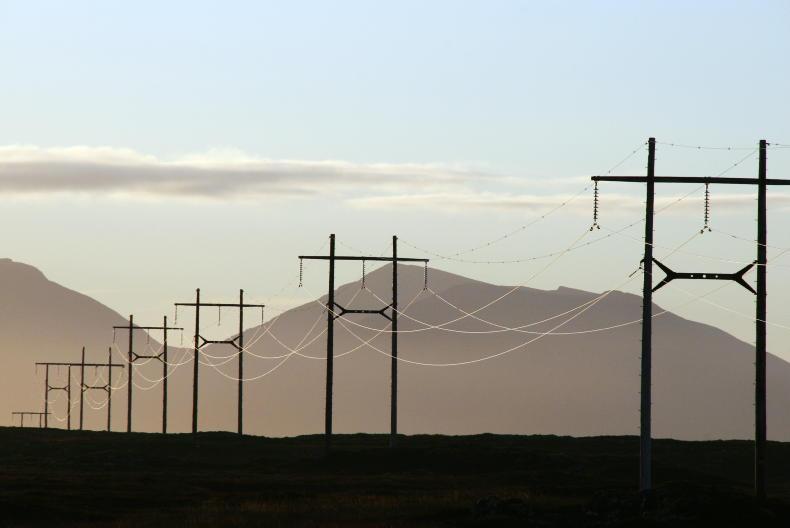
Last year, fossil fuels provided 81.4% of the country’s primary energy supply. This was an increase of 0.7% from 2023, despite declines in coal- and peat-based generation.
The figures were contained in the Energy Institute’s 2025 Statistical Review of World Energy, published in collaboration with KPMG.
The report shows that Ireland remains heavily dependent on natural gas in particular, which accounted for 42% of electricity generation in 2024.
Ireland’s energy sector experienced a somewhat paradoxical year in 2024. Strong economic growth and supportive energy policies, including the closure of the country’s sole coal-fired power station, resulted in a sustained decrease in emissions despite significant growth in energy demand.
However, domestic electricity demand rose by 4.1% in 2024, while the share of renewable generation decreased marginally from 40.7% in 2023 to 39.6% in 2024. The country is not seeing the required decline in fossil fuel use and increase in renewable energy generation necessary to meet its legally binding 2030 targets.
Emissions
Emissions in the energy industries sector fell by 8.9% in 2024, marking the third consecutive year of decline, partially due to increased electricity imports from Britain. Transport emissions decreased slightly by 1.2% despite a 4.1% increase in the national fleet.
This was the first decrease in transport emissions since 2020, driven by increased adoption of biofuels and electric vehicles. In contrast, residential emissions rose by 4.9% in 2024, with consumption of all non-renewables (excluding peat) increasing.




SHARING OPTIONS