A key factor in determining whether a renewable energy project goes ahead is effective risk management. In any investment, returns are weighed against both the costs and the risks of recouping that investment. As farmers, we make similar calculations to those investing tens of millions euro into large-scale renewable energy projects.
To reduce risk in renewable energy development, it is common worldwide for governments to introduce schemes that provide certainty of return. These typically take the form of long-term, government-backed support schemes. The funding for such schemes is usually justified by the need for the country to meet national renewable energy policy objectives.
For new wind and solar farms in Ireland, this support comes through the Renewable Electricity Support Scheme (RESS) and, for smaller farm-led initiatives, the newly established Small-Scale Renewable Electricity Support Scheme (SRESS).
These schemes offer developers a 15-year guaranteed price for the electricity they produce, supported by Irish electricity consumers. The funding is collected through the public service obligation (PSO) levy, which is included in everyone’s electricity bill.
This article will examine the figures behind Ireland’s PSO levy and explore exactly what it is funding.
PSO level
The PSO levy is a fee collected from all electricity customers to fund renewable energy schemes. It aims to share the cost of supporting these schemes as fairly and equitably as possible.
It’s the job of the Commission for Regulation of Utilities (CRU) to calculate the PSO levy or PSO payment annually, and has just recently published its final decision paper which sets out the PSO levy to apply to electricity customers from 1 October 2025 to 30 September 2026.
CRU has determined that a PSO levy of €162.37 million will be required for the 2025/26 PSO year. While this is an increase on initial estimates, it represents a reduction of €89.42 million compared to the 2024/25 levy, which stood at €251.79 million.
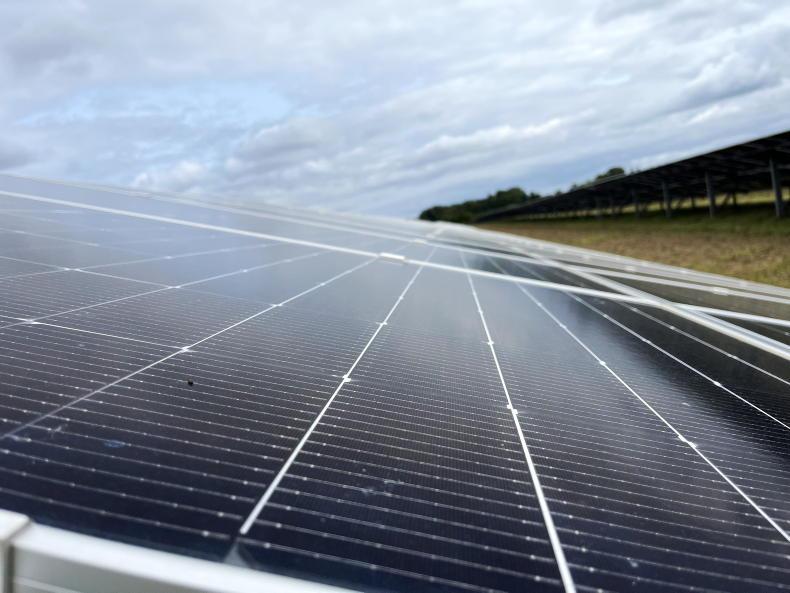
Most of the solar farms in development are supported by the PSO levy.
What is supported
The PSO levy currently supports 4,667 megawatts (MW) of renewable generation in Ireland.
The PSO currently supports the Government’s two main renewable electricity schemes, RESS and SRESS, but also still funds a legacy scheme, the Renewable Energy Feed-In Tariff (REFIT), where most of the electricity is being supported from.
The legacy REFIT schemes support around 3,127 MW of renewable electricity projects across REFIT 1, 2 and 3. They operate as feed-in tariffs, with the Department setting specific reference prices to encourage and support a variety of renewable technologies.
REFIT provided a pathway for a wide range of renewable energy projects in Ireland, such as hydro, biogas, landfill gas, biomass and energy crop systems. However, despite promises of technology neutral designs, newer schemes have only focused on supporting wind and solar farms.
In February 2020, the Department established RESS, which operates under a contract for difference model. Developers compete against each other in an auction-based system for support.
When electricity prices go below a set strike price, the State makes up the difference to the developer, but when electricity prices go above the strike price, the developer pays the difference back to the State.
This model provides price certainty to the developer of the generators. Currently, RESS supports around 1,531 MW, across four auctions. The fifth auction will take place later this year.
SRESS, which was launched by the Government in January 2025 supports small renewable energy projects (50kW to 6MW) with a 15-year tariff.
Currently around 9MW are supported under the scheme. CRU states that this scheme will provide stable revenue for community projects, farms and small medium enterprises.
However, the scheme has come under sharp criticism as in most cases, the support price is too low to make projects viable, so the level of uptake remains to be seen.
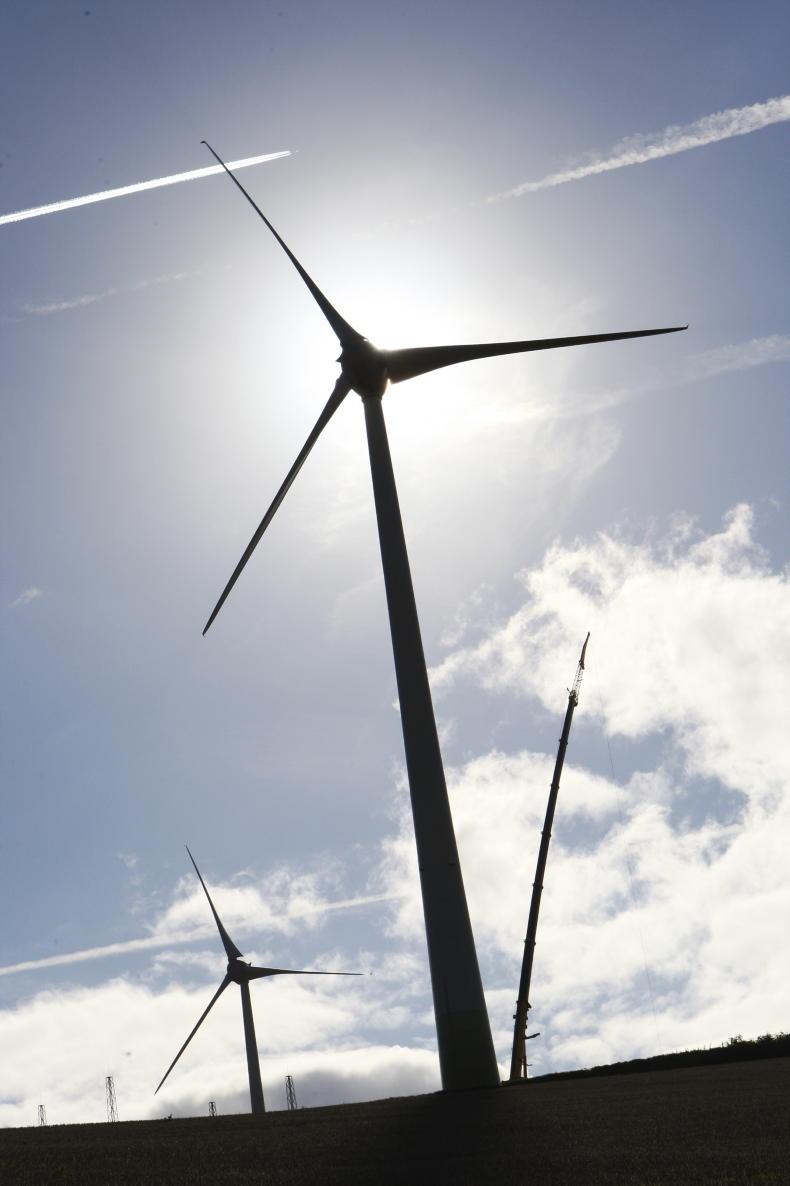
The legacy REFIT scheme is still funding most of the Renewables on the system.
How much is supported?
In June 2025, renewable sources met 38% of the country’s electricity demand.
Record levels of solar generation were measured, including a peak level of 768 MW on 19 June (this excludes rooftop solar PV).
Similarly, 30% of electricity demand was met by wind generation during the month of June.
Wind farms generated 939 GWh, the highest levels of wind generation ever recorded during the month of June.
How is the PSO calculated?
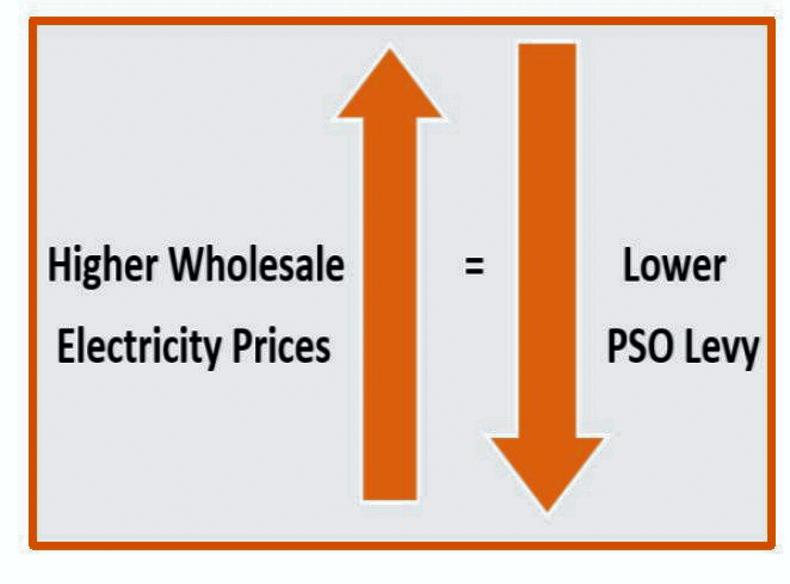
A number of factors determine how much the PSO levy is each year. The wholesale price of electricity has the biggest influence on the PSO levy size. This is because there is an inverse relationship between the PSO levy and the wholesale electricity price. In general, these generators will receive more money from the wholesale market for the electricity they produce when prices are high, and generators in the newer RESS are obligated to pay money into the PSO fund when this occurs.
This was the case in the 2022/23 and 2023/24 periods. It led to a PSO payment being made to customers in 2022/23 and the levy being set to zero in 2023/24.
Impact on bills
For the PSO year beginning 1 October 2025, the CRU has set the monthly PSO levy at €2.01 for domestic customers and €7.77 for small commercial customers.
This represents a decrease from the current 2024/25 rates of €3.23 and €12.91, amounting to reductions of around 38% and 39% respectively.
Medium and large commercial customers will see the levy fall to €0.96 per kilovolt-amperes (kVA) per month, down from €1.57/kVA, also a 39% decrease.
PSO Levy Model
A key factor in determining whether a renewable energy project goes ahead is effective risk management. In any investment, returns are weighed against both the costs and the risks of recouping that investment. As farmers, we make similar calculations to those investing tens of millions euro into large-scale renewable energy projects.
To reduce risk in renewable energy development, it is common worldwide for governments to introduce schemes that provide certainty of return. These typically take the form of long-term, government-backed support schemes. The funding for such schemes is usually justified by the need for the country to meet national renewable energy policy objectives.
For new wind and solar farms in Ireland, this support comes through the Renewable Electricity Support Scheme (RESS) and, for smaller farm-led initiatives, the newly established Small-Scale Renewable Electricity Support Scheme (SRESS).
These schemes offer developers a 15-year guaranteed price for the electricity they produce, supported by Irish electricity consumers. The funding is collected through the public service obligation (PSO) levy, which is included in everyone’s electricity bill.
This article will examine the figures behind Ireland’s PSO levy and explore exactly what it is funding.
PSO level
The PSO levy is a fee collected from all electricity customers to fund renewable energy schemes. It aims to share the cost of supporting these schemes as fairly and equitably as possible.
It’s the job of the Commission for Regulation of Utilities (CRU) to calculate the PSO levy or PSO payment annually, and has just recently published its final decision paper which sets out the PSO levy to apply to electricity customers from 1 October 2025 to 30 September 2026.
CRU has determined that a PSO levy of €162.37 million will be required for the 2025/26 PSO year. While this is an increase on initial estimates, it represents a reduction of €89.42 million compared to the 2024/25 levy, which stood at €251.79 million.

Most of the solar farms in development are supported by the PSO levy.
What is supported
The PSO levy currently supports 4,667 megawatts (MW) of renewable generation in Ireland.
The PSO currently supports the Government’s two main renewable electricity schemes, RESS and SRESS, but also still funds a legacy scheme, the Renewable Energy Feed-In Tariff (REFIT), where most of the electricity is being supported from.
The legacy REFIT schemes support around 3,127 MW of renewable electricity projects across REFIT 1, 2 and 3. They operate as feed-in tariffs, with the Department setting specific reference prices to encourage and support a variety of renewable technologies.
REFIT provided a pathway for a wide range of renewable energy projects in Ireland, such as hydro, biogas, landfill gas, biomass and energy crop systems. However, despite promises of technology neutral designs, newer schemes have only focused on supporting wind and solar farms.
In February 2020, the Department established RESS, which operates under a contract for difference model. Developers compete against each other in an auction-based system for support.
When electricity prices go below a set strike price, the State makes up the difference to the developer, but when electricity prices go above the strike price, the developer pays the difference back to the State.
This model provides price certainty to the developer of the generators. Currently, RESS supports around 1,531 MW, across four auctions. The fifth auction will take place later this year.
SRESS, which was launched by the Government in January 2025 supports small renewable energy projects (50kW to 6MW) with a 15-year tariff.
Currently around 9MW are supported under the scheme. CRU states that this scheme will provide stable revenue for community projects, farms and small medium enterprises.
However, the scheme has come under sharp criticism as in most cases, the support price is too low to make projects viable, so the level of uptake remains to be seen.

The legacy REFIT scheme is still funding most of the Renewables on the system.
How much is supported?
In June 2025, renewable sources met 38% of the country’s electricity demand.
Record levels of solar generation were measured, including a peak level of 768 MW on 19 June (this excludes rooftop solar PV).
Similarly, 30% of electricity demand was met by wind generation during the month of June.
Wind farms generated 939 GWh, the highest levels of wind generation ever recorded during the month of June.
How is the PSO calculated?
A number of factors determine how much the PSO levy is each year. The wholesale price of electricity has the biggest influence on the PSO levy size. This is because there is an inverse relationship between the PSO levy and the wholesale electricity price. In general, these generators will receive more money from the wholesale market for the electricity they produce when prices are high, and generators in the newer RESS are obligated to pay money into the PSO fund when this occurs.
This was the case in the 2022/23 and 2023/24 periods. It led to a PSO payment being made to customers in 2022/23 and the levy being set to zero in 2023/24.
Impact on bills
For the PSO year beginning 1 October 2025, the CRU has set the monthly PSO levy at €2.01 for domestic customers and €7.77 for small commercial customers.
This represents a decrease from the current 2024/25 rates of €3.23 and €12.91, amounting to reductions of around 38% and 39% respectively.
Medium and large commercial customers will see the levy fall to €0.96 per kilovolt-amperes (kVA) per month, down from €1.57/kVA, also a 39% decrease.
PSO Levy Model
SHARING OPTIONS