


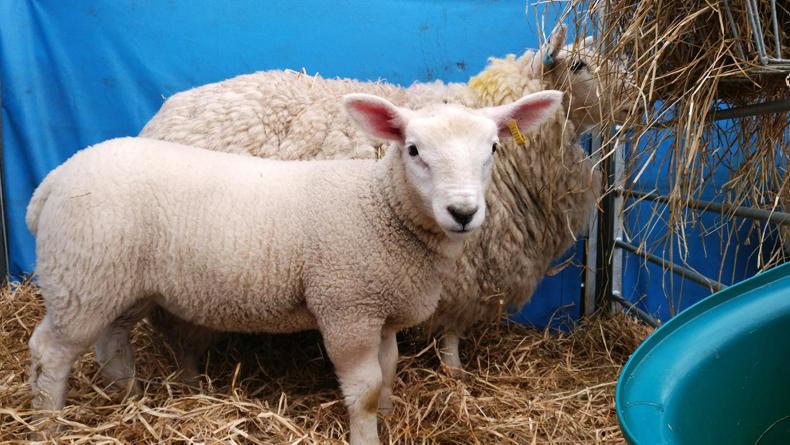
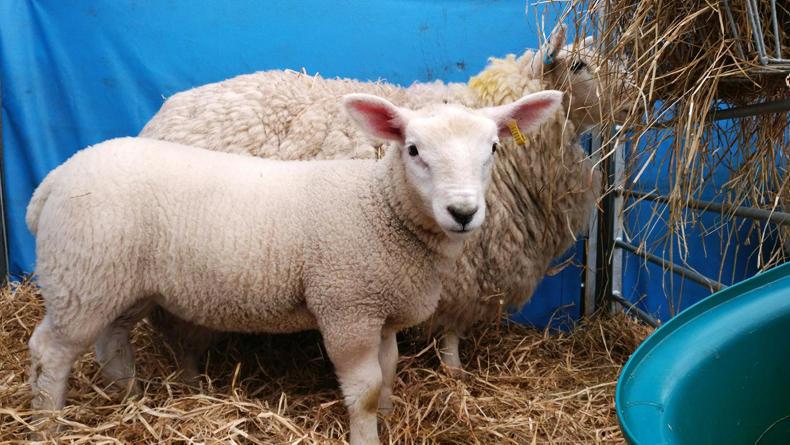
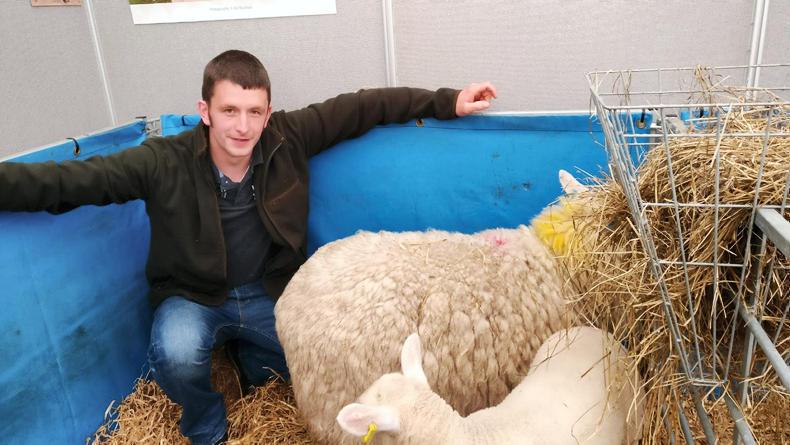
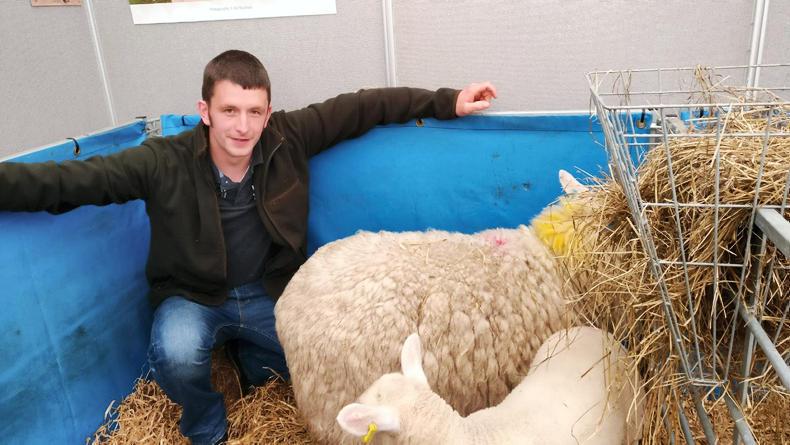
“I honestly couldn’t tell you how far away it is, but it’s a 12-hour ferry to get from the Shetlands to the mainland,” Fraiser Anderson told the Farmers Journal Scotland. “We leave at seven at night and we get there at seven in the morning. Then it’s a three-hour drive from Aberdeen to Edinburgh.
But what makes these sheep so special that it’s worth hauling them that distance?
“You can cross it with nearly anything: it’s good for a foundation female. They’ve a cracking mothering ability and they can graze on varied ground, they’re good foragers,” Anderson said.
“We’re just two young boys trying to promote the breed, make folk realise that the Shetland sheep is good on a commercial basis.”
At home on the island, he has 250 May-lambing ewes and holds down a full-time job as well. He went on to say: “We try to promote the breeding side of the Shetland sheep a lot, because a lot of folk will work with a mule.
“Your Shetland ewe will be easier to keep and she can deal with a bigger lamb. We’re trying to get more numbers used in Scotland. They’re hardier, and they don’t take as much feed and still have a good bag of milk,” said Anderson.
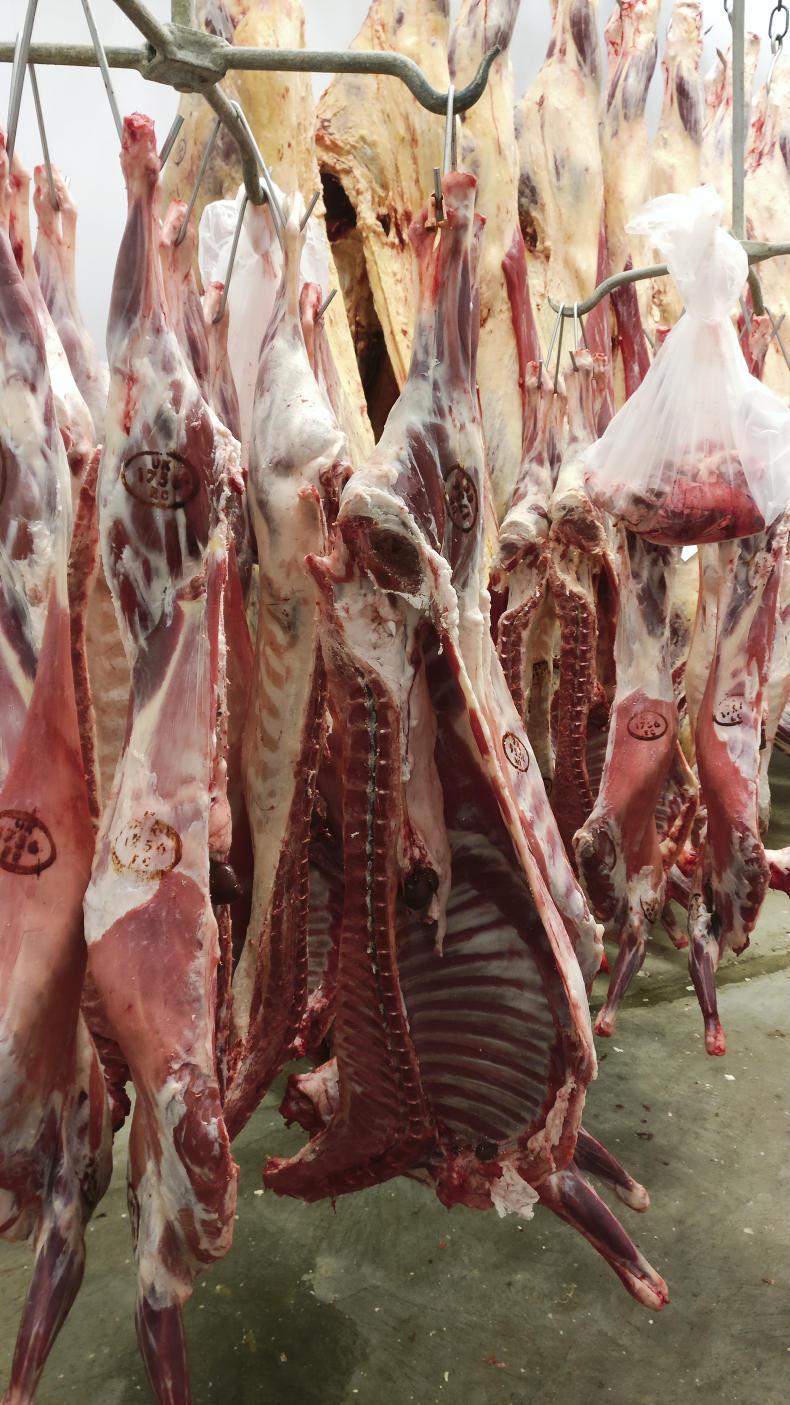
On the Shetlands, the ShetlandXCheviot ewe lamb is then paired with a good continental breed, such as a Texel. “You’re looking at 40kg-plus killing weight” for one of those lambs, explained Anderson.
Most people in Shetland rear lambs for the store market, as the cost of getting feed and concentrates up to Shetland is prohibitive.
“Your pure Shetland ewe will be out all year round,” said Anderson, and they are supplemented with “feed, silage and the odd concentrate”.
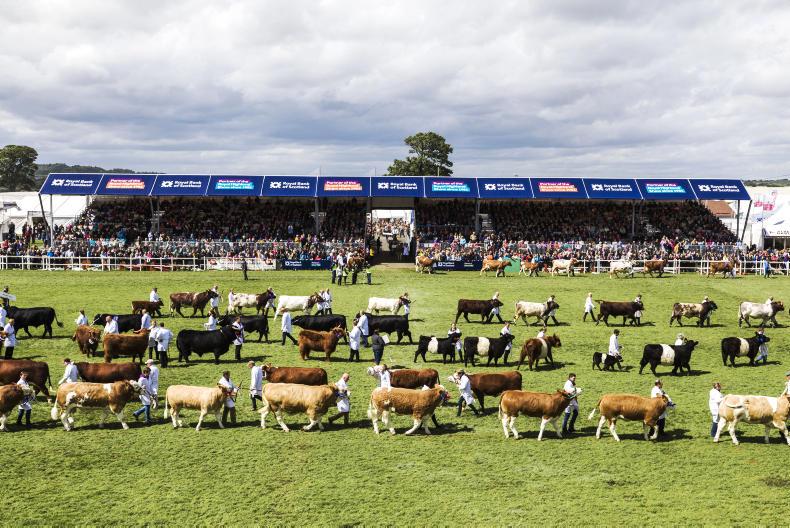
This is Anderson’s third year at the Highland Show, and he said “there is more and more interest” every time they come.



SHARING OPTIONS