The Shetland Islands may have plenty of sheep, but they are short of milk. With just four dairy farmers and one planning to retire at the end of the year the future may rely on imported products.
At the moment Shetland dairies, owned by the farmers, processes 4,500 litres per day from the 240 cows that supply the plant.
“We’re not allowed to import milk because the brand is ‘Shetland’,” said manager of the processing plant Gerry Byers. “Some of the retailers and shops bring in milk from the mainland. In the summertime we have to dump a day’s production because of that. The only time we don’t have enough of a milk pool is when a storm blows for three or four days, the boat doesn’t sail and we’re expected to supply 100% of the dairy products sold in Shetland. We have to have a uniform supply of milk over the 52 weeks of the year.”

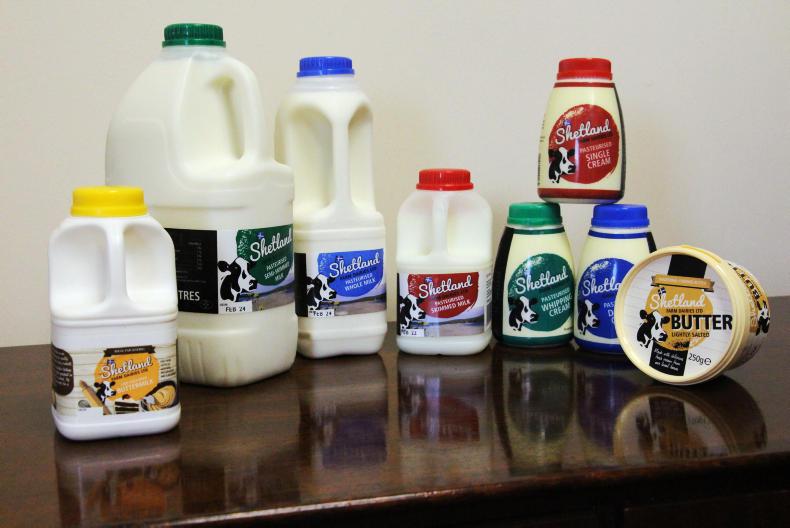
The dairy produces liquid milk, butter, buttermilk and cream for islanders. But it is not cheap by comparison to competing products, in fact it can be double the price.
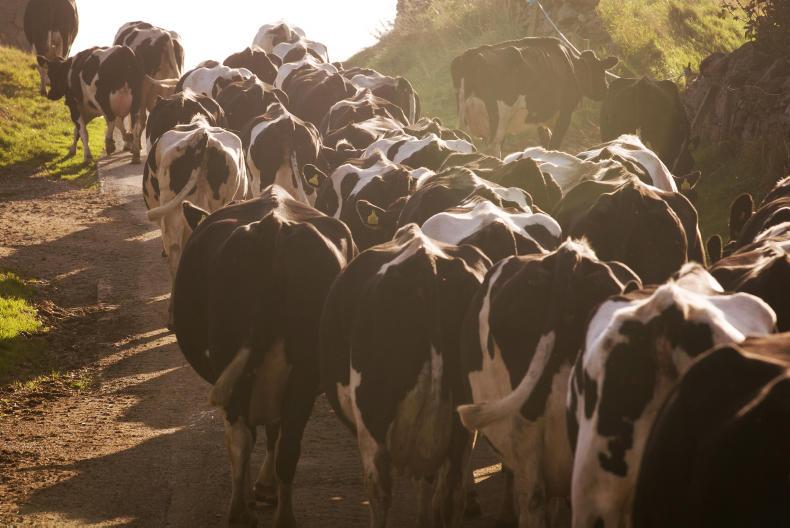
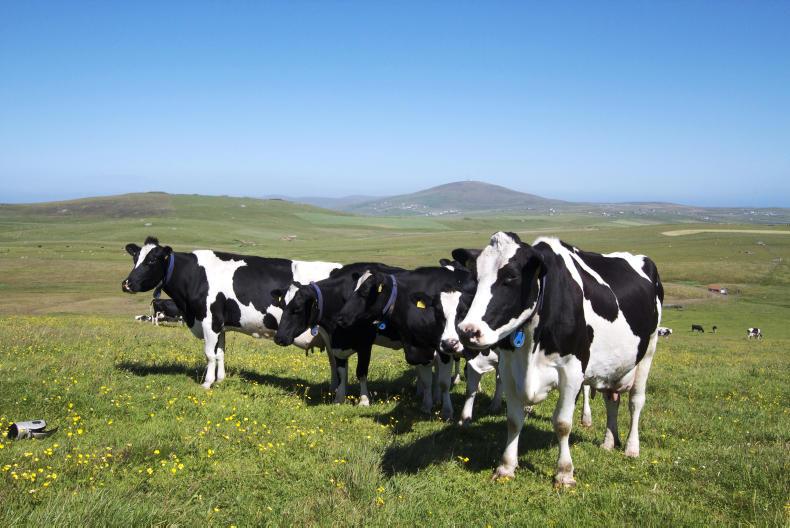
“Here the cows get out in June and are back in at the beginning of September. So we have just three months of outdoor grazing, the rest of the year they are fed silage,” said Byers, who hails from Northern Ireland.
“The costs of running a dairy farm here are about a third more than they are on the mainland. For every 30t of meal that comes up here you add on £1,200 for transport costs.”
The farmers set the milk price at just under 39p/l, based on what is sustainable for consumers to pay.
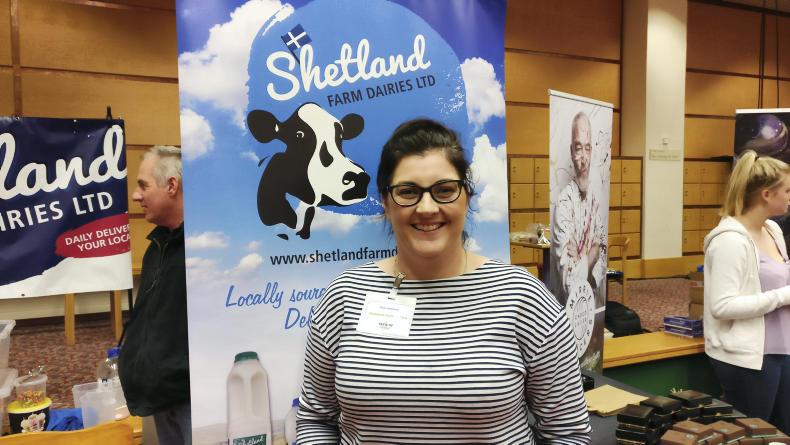
“The people who buy the milk agree that it’s good because it’s fresh. It comes off the farm, is processed within 12 hours and is on the shelves the next morning. The local community supports us really well; we are more expensive than the imported product due to economies of scale,” said Fiona Nicholson, accounts and marketing manager for Shetland dairies.
“Last year the dairy did not turn a profit as there were issues with old machinery. If something  breaks down it takes some time to get parts up here and because it’s specialist equipment flying someone up from the south costs a lot of money. Because we are a small dairy all our equipment is custom built.”
Not only that but with an unemployment rate of just 0.5% in Shetland, getting staff is difficult both for farms and the dairy. The hours are not very sociable.
“We start at around 5.30am and run until 1pm,” said Fiona. “Too few farmers, too little milk and too few staff. So it’s stretched.”
In fact, Gerry Byer’s son William came over from Northern Ireland for a summer job and has stayed ever since.
Moving forward, there are ambitions to start exporting dairy products such as butter to niche markets that will pay a premium for island produce.
“In the last few years there has been a re-branding of Shetland food and drink, hopefully that will work out,” said Byers. “The name Shetland sells itself so if you have a good product it will sell on the mainland.”

Read more
Farmer focus: Martin Burgess, Quendale farm
The Shetland Islands may have plenty of sheep, but they are short of milk. With just four dairy farmers and one planning to retire at the end of the year the future may rely on imported products.
At the moment Shetland dairies, owned by the farmers, processes 4,500 litres per day from the 240 cows that supply the plant.
“We’re not allowed to import milk because the brand is ‘Shetland’,” said manager of the processing plant Gerry Byers. “Some of the retailers and shops bring in milk from the mainland. In the summertime we have to dump a day’s production because of that. The only time we don’t have enough of a milk pool is when a storm blows for three or four days, the boat doesn’t sail and we’re expected to supply 100% of the dairy products sold in Shetland. We have to have a uniform supply of milk over the 52 weeks of the year.”
The dairy produces liquid milk, butter, buttermilk and cream for islanders. But it is not cheap by comparison to competing products, in fact it can be double the price.
“Here the cows get out in June and are back in at the beginning of September. So we have just three months of outdoor grazing, the rest of the year they are fed silage,” said Byers, who hails from Northern Ireland.
“The costs of running a dairy farm here are about a third more than they are on the mainland. For every 30t of meal that comes up here you add on £1,200 for transport costs.”
The farmers set the milk price at just under 39p/l, based on what is sustainable for consumers to pay.
“The people who buy the milk agree that it’s good because it’s fresh. It comes off the farm, is processed within 12 hours and is on the shelves the next morning. The local community supports us really well; we are more expensive than the imported product due to economies of scale,” said Fiona Nicholson, accounts and marketing manager for Shetland dairies.
“Last year the dairy did not turn a profit as there were issues with old machinery. If something breaks down it takes some time to get parts up here and because it’s specialist equipment flying someone up from the south costs a lot of money. Because we are a small dairy all our equipment is custom built.”
Not only that but with an unemployment rate of just 0.5% in Shetland, getting staff is difficult both for farms and the dairy. The hours are not very sociable.
“We start at around 5.30am and run until 1pm,” said Fiona. “Too few farmers, too little milk and too few staff. So it’s stretched.”
In fact, Gerry Byer’s son William came over from Northern Ireland for a summer job and has stayed ever since.
Moving forward, there are ambitions to start exporting dairy products such as butter to niche markets that will pay a premium for island produce.
“In the last few years there has been a re-branding of Shetland food and drink, hopefully that will work out,” said Byers. “The name Shetland sells itself so if you have a good product it will sell on the mainland.”
Read more
Farmer focus: Martin Burgess, Quendale farm





SHARING OPTIONS