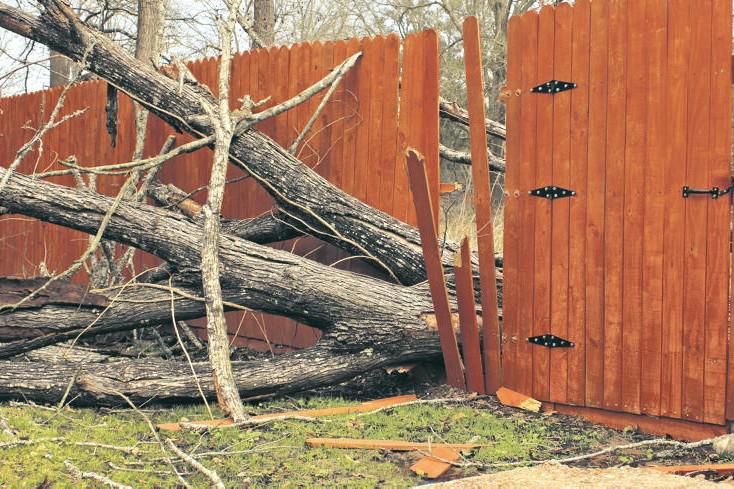
Question:We have a long back garden which is backing onto a number of trees that are on a neighbour’s ditch, which runs parallel with our garden wall. There are trees which would definitely reach our house if they were to fall in the right direction and potentially damage the house.
There is also a rookery of crows in these trees which are a nuisance. We have approached the neighbours to know if anything could be done, but they have said they will not top the trees but would trim any branches overhanging.
We want to maintain good relations, however, if they keep resisting I would like to know our legal position.If a tree were to fall and damage our property, who is responsible for the repair cost, etc?
Answer: Responsibility for repair costs when a tree falls and damages a property depends on several factors, including ownership of the tree and whether negligence was involved.
If the tree was healthy and fell due to natural causes, for example, storms, generally, the property owner affected by the fallen tree is responsible for repairing their own property. They may be able to claim under their home insurance policy, depending on their coverage. The tree owner is typically not liable unless negligence can be proven.
If the owner of the tree was aware (or should have been aware) that the tree was in a dangerous state and did nothing to prevent the risk, they may be held liable for damages. The affected property owner could pursue a claim against the tree owner for negligence.
Is there any legal responsibility on our neighbours to keep the trees at a safe height to protect our house?
While there’s no strict legal requirement to keep trees at a specific height, landowners have a duty to prevent their trees from becoming a hazard. Under common law, landowners have a duty of care to ensure that trees on their property do not pose an unreasonable risk to neighbouring properties. If a tree is overgrown, unstable, diseased, or otherwise dangerous, and the owner fails to take reasonable action to maintain it, they could be held liable for any damage caused if it falls.
If we were to trim back the branches overhanging our property and the tree were to fall due to being unbalanced (they have not trimmed back any on their side) would we be liable?
If a neighbour’s tree overhangs your property, you have the right to trim branches that extend into your land. However, you must not trespass onto their land to do so, you should not damage the health of the tree and any cuttings should generally be offered back to the tree owner.
If your trimming directly caused the tree to fall, if the trimming was excessive or done in a way that weakened the tree’s structural integrity, the neighbour could argue that you contributed to its instability. If they took legal action, you might need to prove that your pruning was reasonable and did not directly cause the fall. Consequently to reduce this risk, you should consult an arborist before trimming.
Consider getting a professional assessment to ensure that cutting the branches won’t make the tree unstable. Furthermore, you should notify the tree owner in writing about your intent to trim and allow them an opportunity to address the issue themselves. Finally, avoid excessive cutting that could make the tree unsafe. If in doubt, use a professional tree surgeon.
Do we have any legal standing to the disturbance from the crows and debris blowing or falling into our property?
In this case, you have limited legal recourse regarding crows and falling debris because Irish law generally does not hold landowners responsible for natural occurrences.
If the disturbance is severe, you could pursue a nuisance claim on the basis that the impact is unreasonable and preventable.
It is important to be mindful of environmental and wildlife protection considerations. Crows are protected under Irish wildlife laws, particularly the Wildlife Act 1976, meaning actions that harm or disturb nesting birds may be restricted. Between 1 March and 31 August, it is generally illegal to cut trees or hedgerows if birds are nesting.
If we were to build a new garden shed located under these trees, and it were then to be damaged by a falling tree in future, where would we stand legally?
Given that you knew the trees were there when you build it, your legal position would depend on several factors, particularly foreseeability, negligence, and assumption of risk.
If you knowingly place a shed under a tree that is visibly large or potentially hazardous, a neighbour (or their insurer) could argue that you assumed the risk by choosing that location.
This could weaken any claim you might make against the tree owner unless the tree was clearly diseased or dangerous.
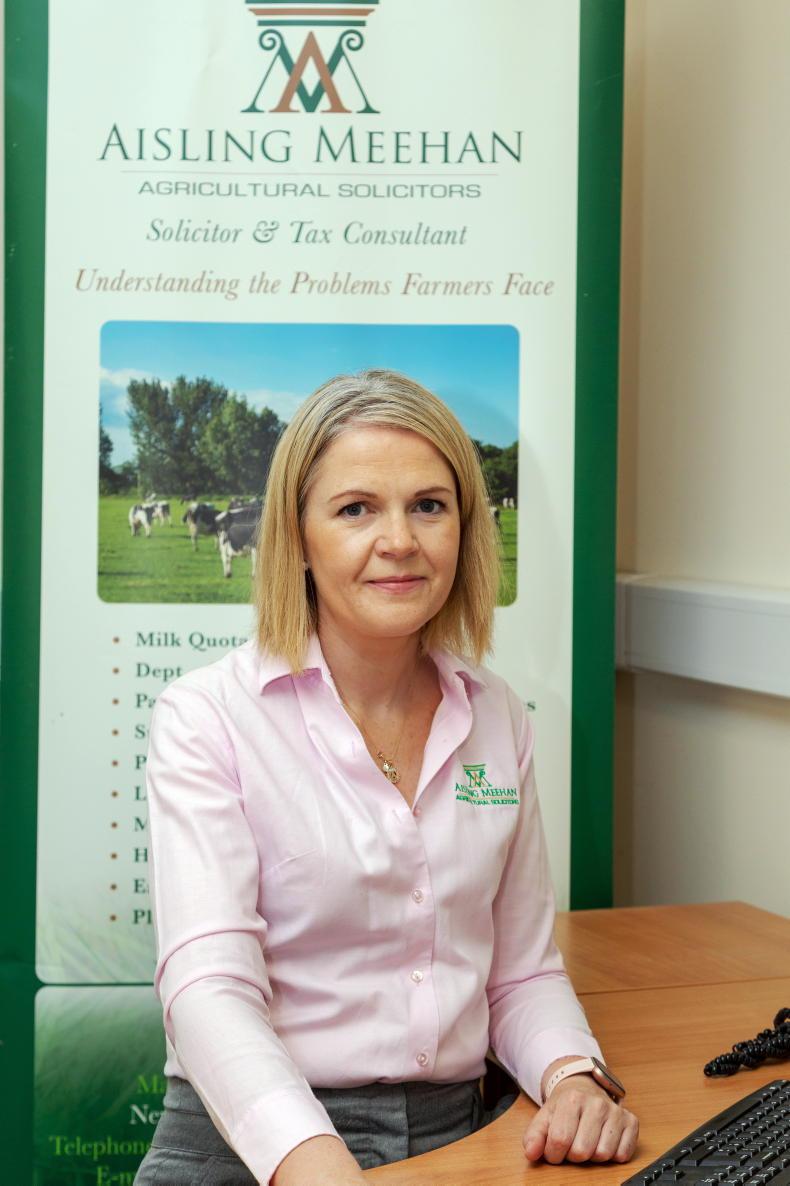
Aisling Meehan, agricultural solicitors and tax consultants.
Disclaimer: The information in this article is intended as a general guide only. While every care is taken to ensure accuracy of information contained in this article, Aisling Meehan, Agricultural Solicitors and Tax Consultants does not accept responsibility for errors or omissions howsoever arising. E-mail aisling@agrisolicitors.ie
Question:We have a long back garden which is backing onto a number of trees that are on a neighbour’s ditch, which runs parallel with our garden wall. There are trees which would definitely reach our house if they were to fall in the right direction and potentially damage the house.
There is also a rookery of crows in these trees which are a nuisance. We have approached the neighbours to know if anything could be done, but they have said they will not top the trees but would trim any branches overhanging.
We want to maintain good relations, however, if they keep resisting I would like to know our legal position.If a tree were to fall and damage our property, who is responsible for the repair cost, etc?
Answer: Responsibility for repair costs when a tree falls and damages a property depends on several factors, including ownership of the tree and whether negligence was involved.
If the tree was healthy and fell due to natural causes, for example, storms, generally, the property owner affected by the fallen tree is responsible for repairing their own property. They may be able to claim under their home insurance policy, depending on their coverage. The tree owner is typically not liable unless negligence can be proven.
If the owner of the tree was aware (or should have been aware) that the tree was in a dangerous state and did nothing to prevent the risk, they may be held liable for damages. The affected property owner could pursue a claim against the tree owner for negligence.
Is there any legal responsibility on our neighbours to keep the trees at a safe height to protect our house?
While there’s no strict legal requirement to keep trees at a specific height, landowners have a duty to prevent their trees from becoming a hazard. Under common law, landowners have a duty of care to ensure that trees on their property do not pose an unreasonable risk to neighbouring properties. If a tree is overgrown, unstable, diseased, or otherwise dangerous, and the owner fails to take reasonable action to maintain it, they could be held liable for any damage caused if it falls.
If we were to trim back the branches overhanging our property and the tree were to fall due to being unbalanced (they have not trimmed back any on their side) would we be liable?
If a neighbour’s tree overhangs your property, you have the right to trim branches that extend into your land. However, you must not trespass onto their land to do so, you should not damage the health of the tree and any cuttings should generally be offered back to the tree owner.
If your trimming directly caused the tree to fall, if the trimming was excessive or done in a way that weakened the tree’s structural integrity, the neighbour could argue that you contributed to its instability. If they took legal action, you might need to prove that your pruning was reasonable and did not directly cause the fall. Consequently to reduce this risk, you should consult an arborist before trimming.
Consider getting a professional assessment to ensure that cutting the branches won’t make the tree unstable. Furthermore, you should notify the tree owner in writing about your intent to trim and allow them an opportunity to address the issue themselves. Finally, avoid excessive cutting that could make the tree unsafe. If in doubt, use a professional tree surgeon.
Do we have any legal standing to the disturbance from the crows and debris blowing or falling into our property?
In this case, you have limited legal recourse regarding crows and falling debris because Irish law generally does not hold landowners responsible for natural occurrences.
If the disturbance is severe, you could pursue a nuisance claim on the basis that the impact is unreasonable and preventable.
It is important to be mindful of environmental and wildlife protection considerations. Crows are protected under Irish wildlife laws, particularly the Wildlife Act 1976, meaning actions that harm or disturb nesting birds may be restricted. Between 1 March and 31 August, it is generally illegal to cut trees or hedgerows if birds are nesting.
If we were to build a new garden shed located under these trees, and it were then to be damaged by a falling tree in future, where would we stand legally?
Given that you knew the trees were there when you build it, your legal position would depend on several factors, particularly foreseeability, negligence, and assumption of risk.
If you knowingly place a shed under a tree that is visibly large or potentially hazardous, a neighbour (or their insurer) could argue that you assumed the risk by choosing that location.
This could weaken any claim you might make against the tree owner unless the tree was clearly diseased or dangerous.
Aisling Meehan, agricultural solicitors and tax consultants.
Disclaimer: The information in this article is intended as a general guide only. While every care is taken to ensure accuracy of information contained in this article, Aisling Meehan, Agricultural Solicitors and Tax Consultants does not accept responsibility for errors or omissions howsoever arising. E-mail aisling@agrisolicitors.ie





SHARING OPTIONS