



I am the manager of Terinallum farm, which is located in the Moyne shire that makes up part of the Western district of Victoria in Australia. Owned by the Macintosh family since 1988, the farm is 3,200ha in size. The majority, 2,700ha, consists of arable and the remainder is swamps and nature reserve.
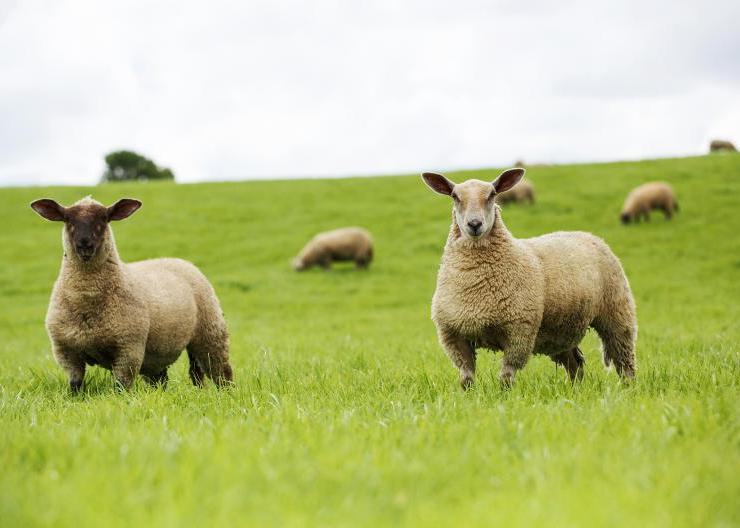
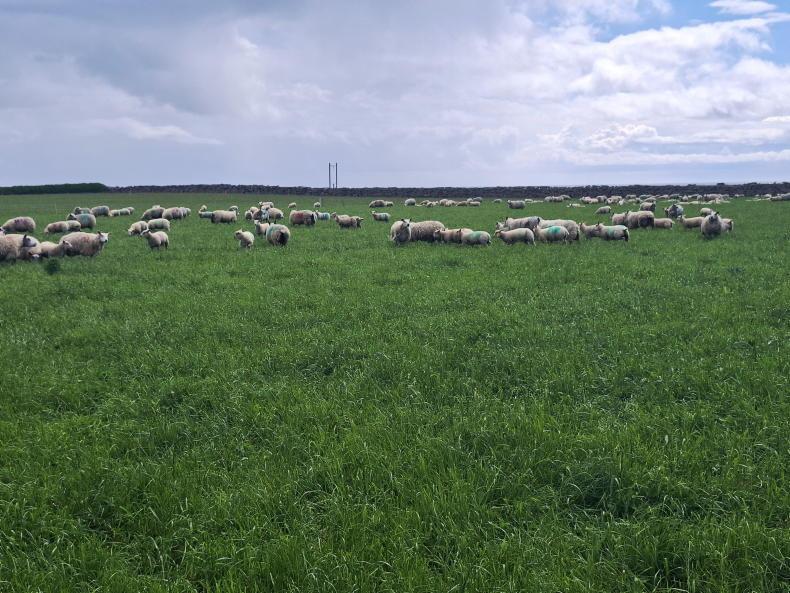
The core business of the farm is running a prime lamb flock, with 10,000 Poll Dorset and Perrindale-cross ewes.
We aim to have all our terminal lambs off at 22kg carcase, which is a supermarket weight lamb. We also aim to join our ewe lambs at 50kg live weight in March. This year we had an average conception rate in our ewes with a very dry start, at 9% dry. We aim for less than 5%.
Lambing itself went well, with 135% lambs to ewes scanned in lamb (80% foetal survival). However, there is still a lot of wastage that needs to be addressed.
Some individual mobs were outstanding, with one mob recording 175% lambs to ewes scanned in lamb (89% foetal survival). We have learned a lot from these mobs and their poorer-performing sisters. We used temporary electric fences to split up lambing paddocks and keep mob sizes down and this will now become standard practice.
Weaning went well, with minimal lamb losses of less than 2%. We are currently experiencing one of the best springs in living memory right across eastern Australia, so weaning weights have been exceptional, with lambs averaging 38kg at 100 days. This equated to roughly 1,200 lambs straight off the ewe to the processor, with an average carcase weight of 23kg.
The farm is a mix of basalt stones barrier to rich lunet-type soil. This means we can grow most dry land crops on the better country and graze the stoney country.
We crop around 600ha annually with crops we graze and harvest such as canola, wheat, barley and fava beans. If there is a feed surplus we contract rear cattle, mostly dairy heifers.
I’m responsible for all aspects of the farm, from setting the budget and enterprise direction to setting the day-to-day tasks for four employees. This is done in conjunction with my employers and a management company.
Most days we will do something stock-related such as rotational grazing pastures, brassica and Lucerne or weighing lambs. The cropping and cattle are a lot less labour intensive.
Our average rainfall is 580mm, but it has been very varied over the last 10 years, with last year the lowest on record at 380mm.
Sheep, lamb and cattle prices are at an all-time high, which is unique, and grain prices are at historical lows. There is plenty of water about. All this combined has given the livestock sector an incredible boost in confidence.



SHARING OPTIONS