




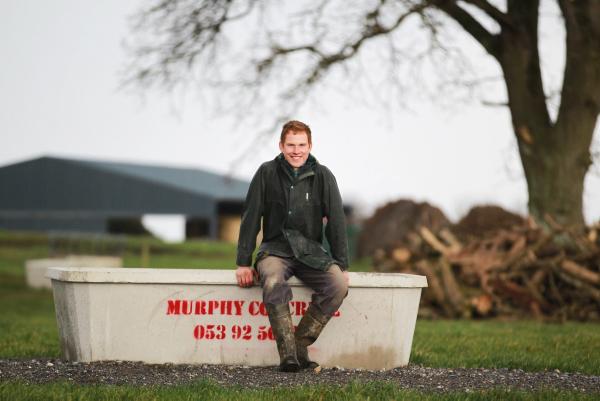
I am one of the lucky ones in life who have the opportunity to work at what I like. I chose farming as a career because of the healthy lifestyle and personal satisfaction it offers. A day doesn’t pass without physical and mental challenges. And when the weather is good, there is no place I’d rather be than on our home farm.
However, with the positives come the negatives. There is one aspect of farming that frustrates me. This is the feeling you get when you don’t know whether your doing right or wrong. Nothing is definitively black or white. Ensuring that cows are eating as much grass as possible while maintaining the quality of pasture for the next rotation is a difficult balancing act.
This has been our biggest challenge over the past few weeks and will continue to be for the following few. All of the reputable advice available advocates that grazed grass is the one of the highest quality feeds at our disposal. We have been doing our best to maximise the amount of grass in the diet of our cows to minimise body condition loss after calving. On the other hand, we also need to keep one eye on post-grazing residuals as they will dictate the quality of grass available to cows during breeding.
Keeping cows on a rising plain of nutrition during this critical period is of paramount importance.
Prioritising the upgrade of our grazing infrastructure has given us every opportunity to get cows out during unsettled weather. Our newly constructed cow roadway network provides us with multiple entrances and exits to paddocks, allowing us to practice on-off grazing during wet weather conditions. This increases grass utilisation, but also decreases damage to saturated soils.
Investing in a new looped water system has also paid dividends. At some of our water troughs we assembled a facility, which allows us to connect to a portable trough. Cows can graze blocks without walking back for water over already grazed ground.
With the benefit of hindsight, we feel that we should have also prioritised the construction of cubicles in year one. During this past winter period, we housed the heifers on slats. Apart from increased labour, this worked fine prior to calving. We cleaned and limed the slats twice-a-day and mastitis has not been an issue. However slats alone do not provide flexibility to house milking cows during lactation.
A combination of straw bedding and "standing-off" cows during heavy rain have got us through the wet weather to date. This significantly increased variable costs and workload. Nevertheless, it has probably pushed us to get cows out earlier than we had thought possible. As a result, 47% of the milking platform was grazed by St. Patrick’s day.
To date, just under half the milking platform has received 2,500 gallons of slurry and three weeks ago, urea (+selenium) was blanket spread at a rate of half a bag to the acre. We followed up with another half bag on recently reseeded ground as we think it should respond best to the extra nitrogen.
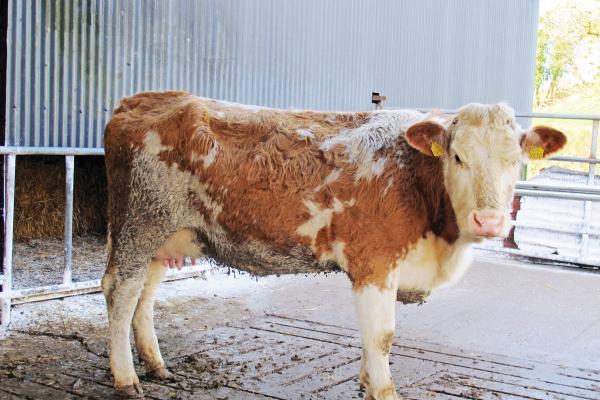
This past week, we body condition scored (BCS) the cows during a milking. They averaged 3.25 with 80% on or over BCS 3. We put four heifers on once-a-day milking a fortnight ago as we thought they had lost more condition than most. Since then three of the four have been seen in heat.
Forty-eight females have calved on our farm in six weeks out of 54 (89%). This includes nine sucklers. We have three dairy heifers and two sucklers left to calve.
Last week, we sold another seven bull calves for €80 each. The heifer calves are now on six litres of milk replacer once-a-day. Quota is not an issue on our farm and, with the high milk price compared to milk replacer (approx 38 vs. 26c/litre, respectively), we feel it is worthwhile to make the switch. These calves are out by day in a sheltered walled garden and have ad-lib access to water, meal, hay and straw. They were disbudded and vaccinated with Tribovax-T prior to let-out.
In February, we sent almost 9,000 litres of milk to the creamery. The milk cheque arrived last week and we received 38c/litre. This week, milk from 44 cows (42 dairy heifers and two suckler heifers) are going into the tank. They are producing 21 litres of milk at 3.24% protein, 3.98% fat and 5.09% lactose (1.6kgMS/cow/day). We are booked in to DIY-milk record this week. The bulk tank somatic cell count (SCC) and total bacteria count (TBC) for the last collection were 71,000 and 3,000, respectively.
We are very pleased with performance to date. The idea is that the heifers will continue to produce the goods without milking off their backs in the lead up to breeding. Our management over the next few weeks will dictate their fate. Hopefully we get the balance right.



SHARING OPTIONS