


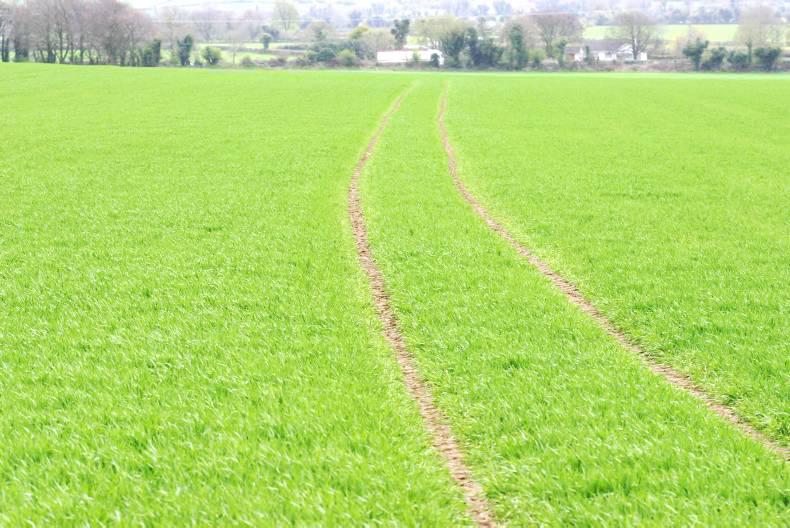
As farmers, we tend to judge each other’s ability by the quality of the work (or the stock) we see exhibited in the fields. To the uninitiated, this may appear to be a rather harsh evaluation of a farmer’s honest effort but that’s the way it is.
But you can still be a thoroughly likable fellow and yet be the world’s worst farmer – just keep the chat away from farming and talk football instead. Equally, you can be a top-class farmer but obnoxious enough to clear an entire pub. And so passing judgment on other farmers’ fields only relates to their farming abilities and it’s not a reflection of their personality.
Consistently well done and timely fieldwork is the unmistakable mark of a good farmer and so it was with Eddie Cogan. He was also a gentleman and very pleasant company. Now while Eddie was not from these immediate environs, he and his two brothers owned a block of tillage land in this parish. But they have land taken all over the place and were already large operators back in the days when tillage was very profitable.
I first met Eddie over 30 years ago and while I won’t claim to have known him very well, we were good acquaintances. He was an excellent, hands-on farmer and his fields bore this out. His ploughing and sowing was always arrow straight in a level seedbed. There was none of this auld min-till nonsense with Eddie – proper, well turned-over ploughing was where it began. It’s hard to disagree with that.
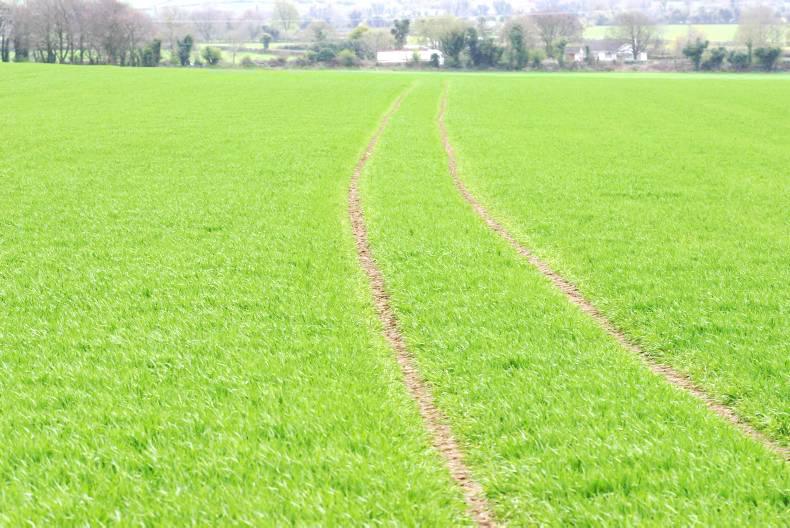
Back in the 1970s, successful cereal-growing was in its infancy. There wasn’t a lot of technical information available, but there were a few pioneer farmers blazing a trail which others might try to follow. Eddie Cogan was firmly in this camp and he was the first farmer I knew of to use fungicides. Equally, he was one of the first to use tramlines in cereal crops, which were perfectly sown with a John Deere 8250 combine drill with neither lap nor gap.
In the mid-1980s, oilseed rape was an important crop in north Leinster. Swathing was the preferred method to harvest rape (varieties were less suited to direct combining then) and Eddie ran a pair of Shelbourne Reynolds swathers. Every July for a few years, Eddie and co took to the road with the two machines and a caravan in tow as they swathed their way up Leinster. It resembled the American custom combining crews, only with a Meath drawl and less dust.
You see, the swathers were built on rubbishy east German Fortschritt skid units with awful Belarus engines and bearings made from pear tins. Even Eddie was challenged to keep them running smoothly – he was a brilliant man with machinery.
But with the Cogan brothers, there was seldom any flashy new machinery. There was none of this modern-day obsession with mega 30ft combines or 300hp tractors or 30m sprayers. All of their machinery would be kept meticulously maintained and running like clockwork, with a reliability that would often outperform a neighbour’s new machine.
Without a doubt, most tillage farmers have a lot to learn from the Eddie Cogans of this world. Eddie died suddenly at home after a busy day’s ploughing. May he rest in peace and I hope one of his tramlines leads him straight to the pearly gates.


SHARING OPTIONS