


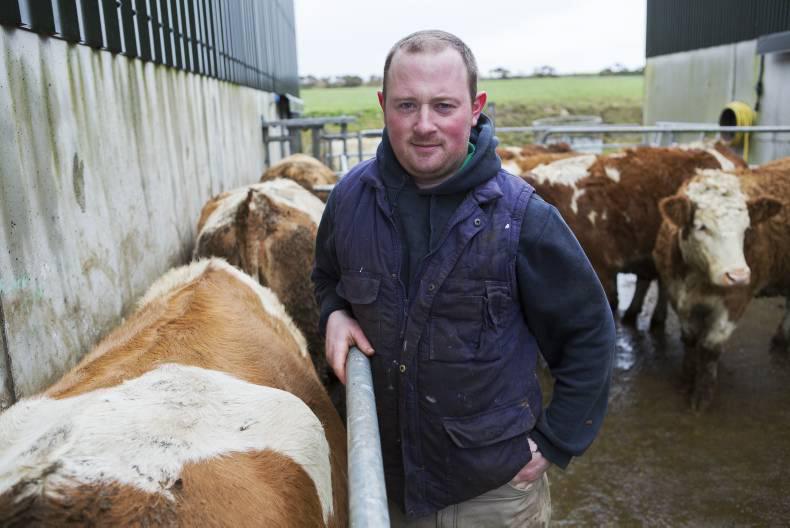
I had an interesting conversation with a friend a few weeks ago about agricultural education. We had both come through Cork Institute of Technology’s agriculture course and were talking about the old 180-hour course. We wondered whether we were bigger eejits to have done a full-time course. Should we have gone off and done a different degree for three or four years and squeezed in the qualifications needed to be classed as farmers afterwards?
What are our agricultural education courses aimed at – improving farm management and business practices or simply a means for quick-fire access EU payments?
With a considerable amount of drystock farmers in particular farming part-time, I don’t deny them the chance to upskill but does it lead to these younger farmers farming exactly the same way as their predecessors? In a number of cases, this doesn’t benefit anyone.
One benefit we got as full-time ag students was the opportunity of farm work experience on a farm other than our own.
I was lucky. I was to do my three months’ work experience in France, but I ended up there for three weeks. I loved the opportunity of challenging myself in a different country using a different language and I enjoyed the off-farm culture. But the working day was a challenge and not in the way I expected. It involved an awful lot of time-killing and a two-hour siesta after dinner at 1pm. I had spent the majority of my farming experience to this point on the family pig unit were casual stops like that were not an option.
The mindset of the farmers I encountered was hard to comprehend. It’s a way of life and not a business, I was told. I saw no business benefit to being stuck there any longer, so struck for home. It felt like they were doing the same thing they did after World War II, only with bigger tractors and subsidies.
When I got back home, I hit the jackpot. I finished my placement with a dairy farmer who was very open about his business and, at the time, was involved in the local co-op management structure. As well as picking up good farm practice, the conversations were invaluable. It was great to be on a farm with a can-do attitude.
Unfortunately, luck plays too big a part. Student attitude and interest varies and, more importantly, so does the host farmer’s.
We have assets in the Bord Bia quality assurance scheme and the ICBF. Could the quality assurance scheme and ICBF herd performance reports be used in an annual review of host farmers? They should certainly be a prerequisite for becoming one.
But have these two organisations a role to play in the current agricultural courses? Surely they could be used over a three-year period as a form of real-time continuous assessment for students on the course.
The standard of education is improving and has to keep evolving but we can’t afford to get bogged down in mediocrity. Yes, we now have access to the US and Chinese beef markets but that’s not guaranteed for ever.
Our farming standards and image need to be as good and better than our competitors.
As I was told by an MEP at a Macra conference, not everybody can be in the top 10% but what’s wrong with raising standards?
A rising tide lifts all boats.


SHARING OPTIONS