



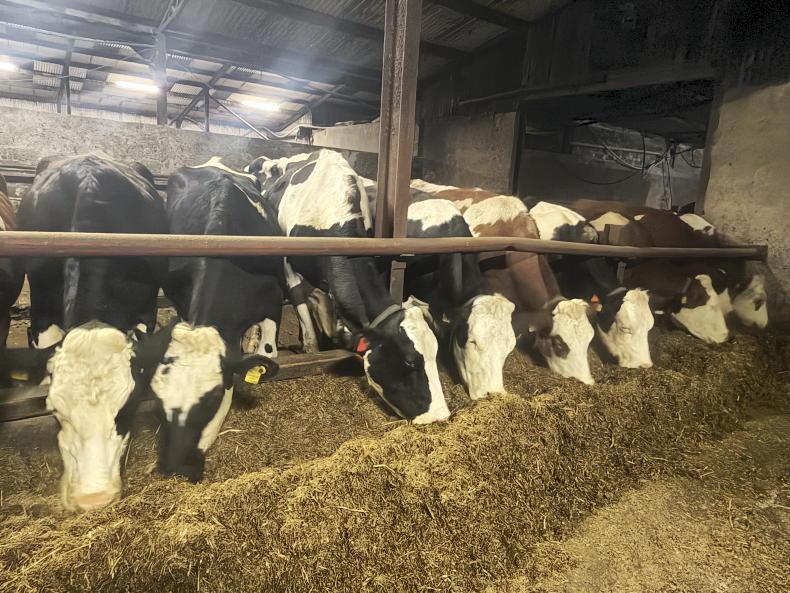
The herd is milking well, with fresh cows averaging 32 litres per cow per day at a butterfat of 4.58% and protein of 3.45%.
The autumn calvers have also been cycling strongly, with a 95% submission rate in the first three weeks of breeding.
We still have 20 cows left to dry off from the spring-calving batch and we intend to get the remainder sorted this week. Ideally, some of these cows would have been dried off earlier this month, however, a number were still producing over 20 litres per day.
These cows were drafted off and fed straw for over a week to help reduce milk yield, in order to avoid issues at drying off such as mastitis.
Thankfully, this approach has worked well, with all cows now producing less than 18 litres.
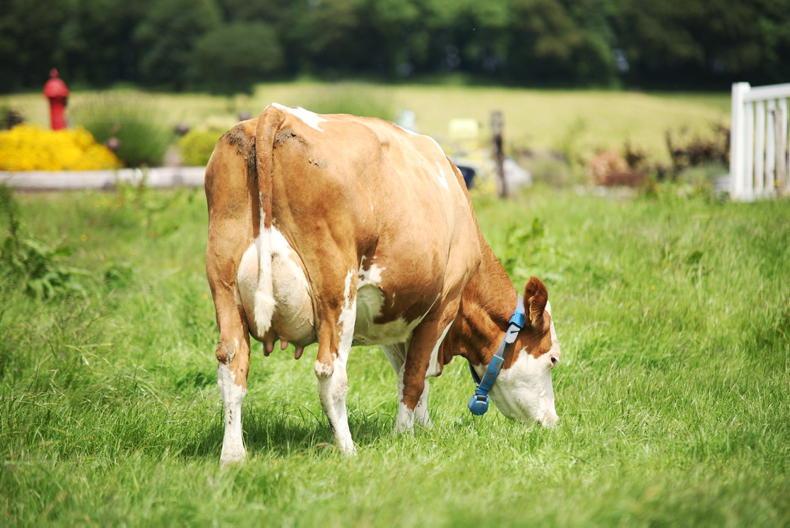
As I’ve mentioned before, I think the Fleckvieh-crossbred cow has a much flatter lactation curve compared to the typical Holstein. While this is a positive during peak lactation, helping to avoid negative energy balance, it does create challenges at drying-off time, with cows still producing too much milk.
Mycotoxins
This month marks two years since we encountered issues with mycotoxins in our grass silage.
I previously wrote an article about it, but to recap: in January 2024, we received a call to say that our milk sample had put a full lorry load of milk down.
As we were not calving at the time and had no antibiotic cows in the milking herd, we couldn’t understand how it could be us.
After checking all cows were in the correct groups, we tested every milking cow. Twenty-nine of the 128 cows tested positive for antibiotics.
Completely puzzled, we then tested all feeds and discovered that the grass silage was testing high for penicillium mycotoxins.
Despite feeding multiple binders at double rates, nothing seemed to work. The issue occurred sporadically from January to March 2024 and after the third milk tank tested positive, we made the decision to sell the silage pit to a neighbour feeding beef cattle and purchase silage from another neighbour to get us through the winter.
I think I underestimated the reach my article on the issue would have. It sparked significant debate, with farmers, feed reps and researchers contacting me from England, Scotland, the Isle of Man and across Ireland, all because they had experienced similar problems and were searching for solutions.
One of the reps in the yard described it as the “post office scandal” of farming, happening everywhere, yet rarely spoken about. Until the article was published, I had never heard of it affecting anyone else and honestly thought we were a first.
Quick fix
While everyone who rang was understandably looking for a solution, I unfortunately didn’t have one. There was no quick fix or magic additive – it wasn’t the response farmers were hoping for.
However, it is encouraging to see research bodies investigating the issue and feed and additive companies actively testing on farms to identify mycotoxins. Thankfully, since then we have tested silages extensively and have not detected penicillium in any of our grass or maize silage.
Ventilation
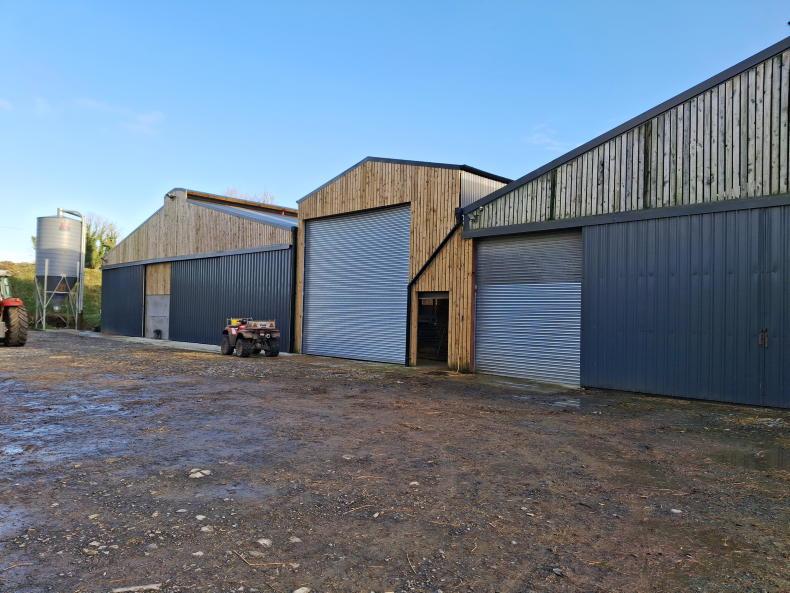
More recently, following my piece on poor ventilation in the shed after installing the new roof, I received a letter containing an article on how to test and improve ventilation, along with two smoke bombs to help highlight problem areas.
Thank you to everyone who reads, takes an interest, and tries to help with the challenges I’ve written about in the Farmers Journal.


SHARING OPTIONS