
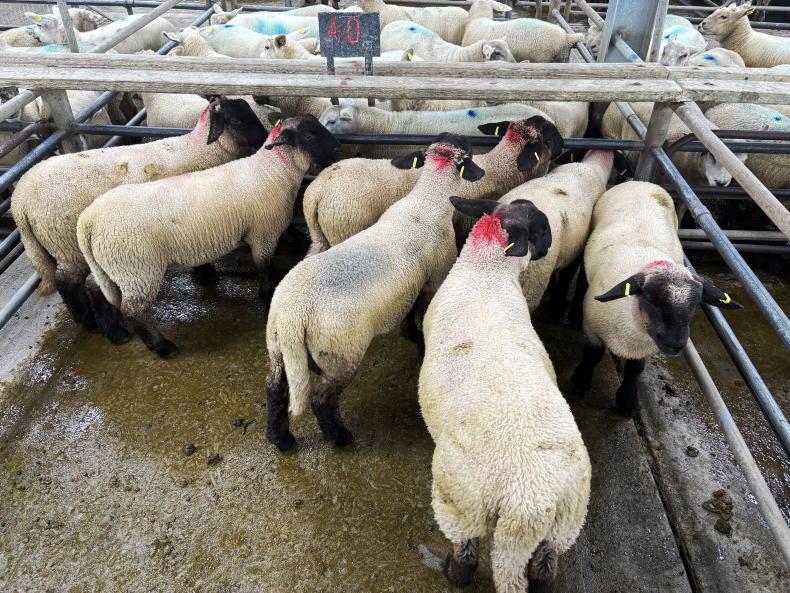
The number of sheep sold through the marts has collapsed over the last two years.
Department of Agriculture figures show that while 580,347 sheep were sold through the marts during the first six months of 2024, this figure fell to 470,880 animals for the same January-to-June period this year.
This is a reduction of 109,467 sheep, which equates to a drop of 19%.
The figures for sales through the first half of this year were broadly in line for the first six months of 2025, with 460,275 sheep sold through the sales rings between January and June last year.
However, the Department figures confirmed a 9% drop in total sheep sales through the marts from 2024 to 2025.
A drop of over 150,000 sheep in one year
The number of sheep sold through the marts across the 12 months of 2024 was 1,763,453 animals.
This dropped to 1,606,724 sheep in 2025, a reduction of 156,729 sheep.
Mart managers said the fall-off in sheep numbers this year compared to 2024 was not surprising given the age profile of farmers and the high level of culling over the last few years.
“Whether we like it not, sheep farmers are an ageing cohort of the population,” said Dowra Mart manager Terry McGovern.
“There’s some young people going into sheep, but not enough,” he added.
Rising aging profile
Dan McCarthy of Kenmare Mart said the drop was the result of existing farmers continually cutting back in numbers in recent years.
“Farmers are reducing numbers to the bare minimum they need for entitlements,” McCarthy said.
The reduction in the overall number of sheep sold through the marts reflects the falling numbers in the national flock.
Central Statistics Office (CSO) figures show that the total sheep numbers declined by almost 10% between 2023 and 2025.
While there were 5.67 million sheep in the country in June 2023, numbers had fallen to 5.1 million by June 2025. This was a reduction of 570,000 sheep.
Last week we had around 400 sheep, but we had customers for at least 400 more.
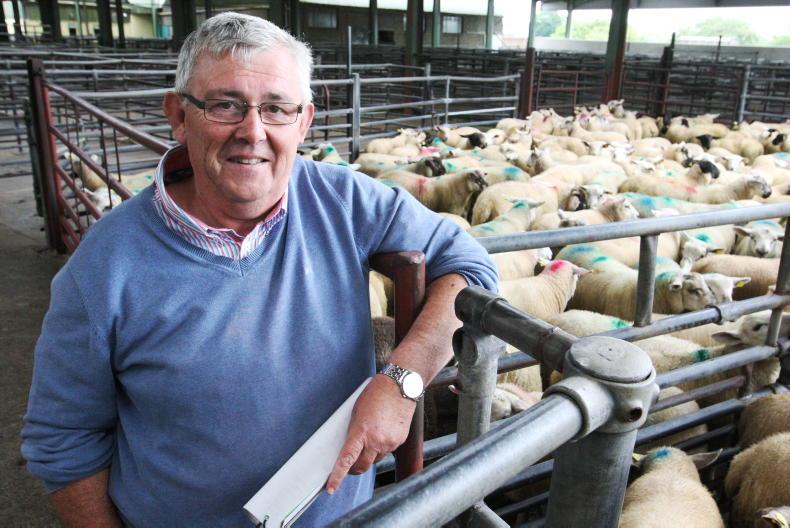
Reporting on a recent sale in Kilkenny Mart, well-known livestock auctioneer George Candler said: “Today we ran out of sheep before all customers were able to fill their requirements. Numbers are staying scarce, at least here in Kilkenny, with demand outstripping supply”.
Asked about the comment, Candler said if reflected the fall-off in sheep numbers in recent years and the tight supplies generally at the moment.
“There was a time when we would have had 3,000 to 4,000 sheep for sale here in Kilkenny but, with the change to dairy and the age profile of sheep farmers, we only get a fraction of that number these days,” he explained.
“Last week we had around 400 sheep, but we had customers for at least 400 more. There was strong demand from both the wholesale trade and factory buyers. But the numbers weren’t there to meet the demand.”
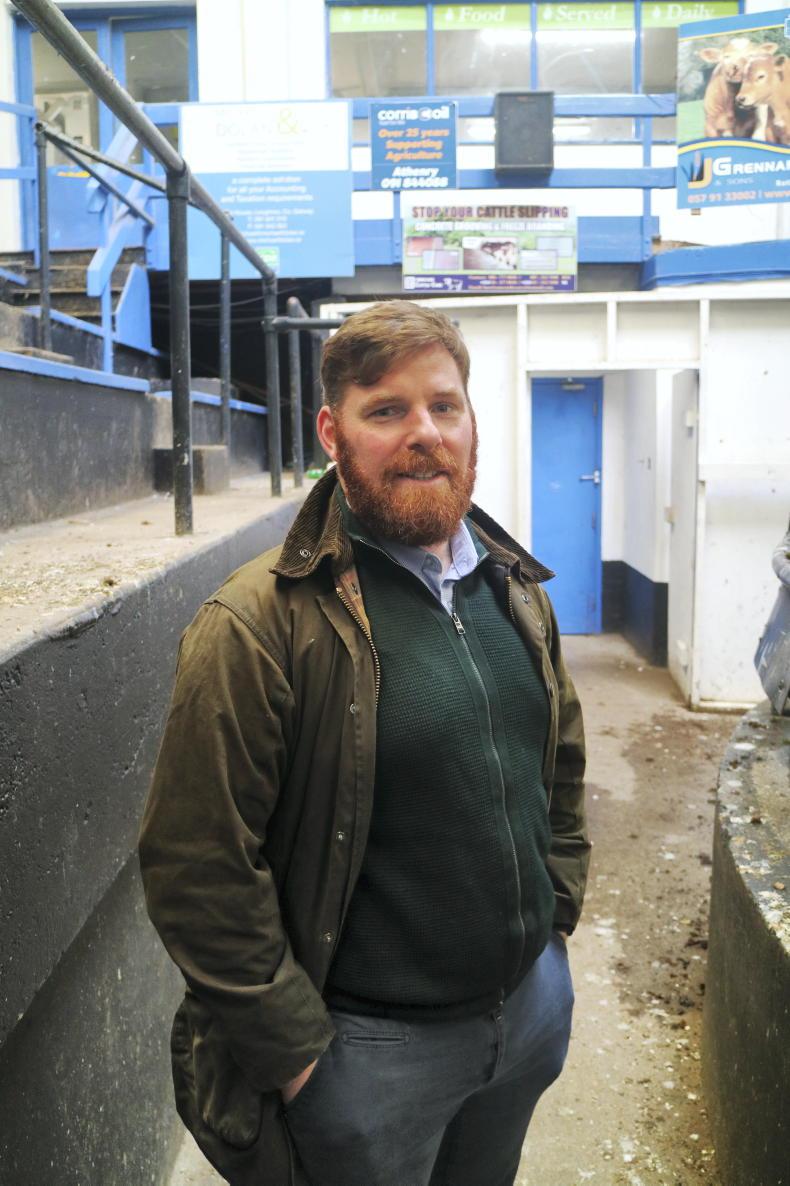
Athenry Mart manager Padraic Fahy said the 19% reduction in sheep number between 2024 and 2026 wouldn’t be a million miles off of trends seen in the Co Galway mart.
Sharp decline
“We have definitely seen a fairly sharp decline in numbers,” Fahy said.
He maintained that the decline in some categories has been greater than the 19% seen in the Department of Agriculture figures.
“Thankfully, we are not seeing that level of decrease in fat lambs,” Fahy added.
The Athenry Mart manager said the drop in sheep numbers reflected the decline in the number of people keeping sheep.
John Doyle of Blessington Mart said “These figures don’t surprise me at all. Numbers are back all over. This [the fall-off in numbers] has been on the cards for a while.
“The amount of ewes have been sold as cast ewes over the last few years has been unreal,” he explained.
Young people don’t have the interest, and that’s the fact of it.
Like other mart managers, Doyle cited the age profile of sheep farmers as a major sectoral weakness.
“Young people don’t have the interest, and that’s the fact of it. They can get €1,000 a week in most jobs these days; they won’t get that out of sheep farming.”
Dan McCarthy said the fall-off in sheep numbers illustrated the need for a well-funded farm retirement scheme.
“There is not enough encouragement there for young people to take over sheep farms, or for older farmers to hand the place over,” McCarthy maintained. “We need a farm retirement scheme.”
“A lot of the lads are getting old and there is nobody come on behind them. Fellas to shear sheep are as scarce as hen’s teeth,” he said.
Bucking the trend
Sheep numbers going through Donegal Mart have increased this year, mart manager Eimear McGuinness maintained.
“That could be down to live trade, and a lot of sheep going to Britain,” she said. “We have a lot of store lambs going through the rings at the moment, and the fat lamb trade to the factories is good. But the trade is so unpredictable. You’d be fearful for the future.”
The age profile of sheep farming is the biggest concern, according to Dowra Mart manager Terry McGovern
“Whether we like it or not, sheep farmers are an aging cohort of the population. “There’s some young people going into sheep, but it’s not enough,” he said.
Numbers this year will not have been helped by the bad weather in this spring, particularly during March and April.
“A lot of lambs were lost during that time I’d say. I’ve that feeling.”