



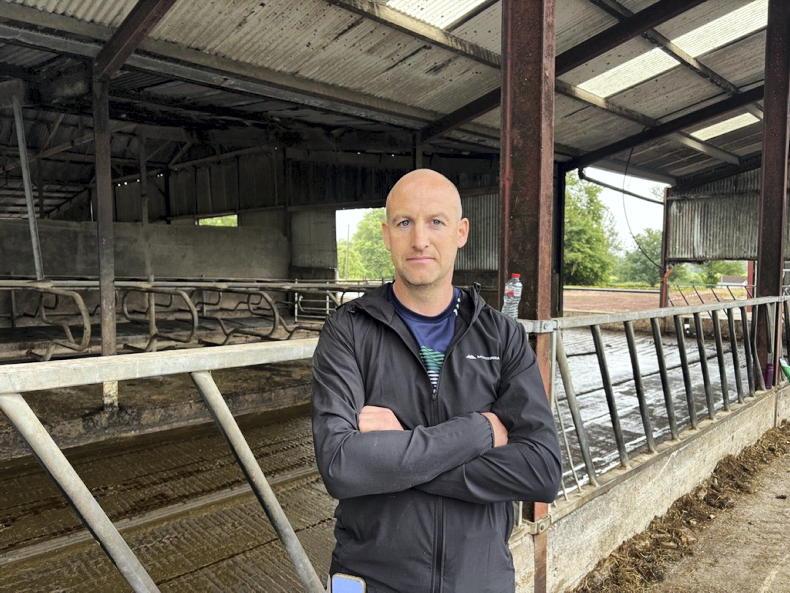
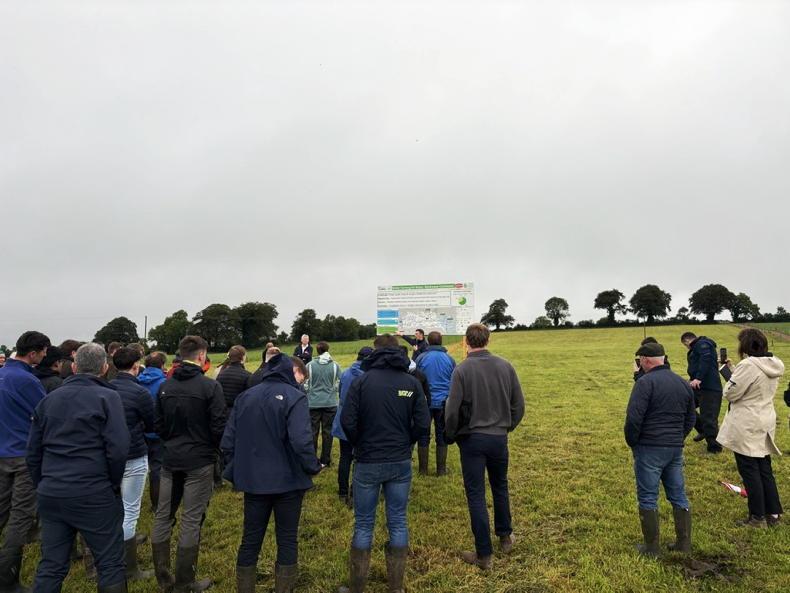
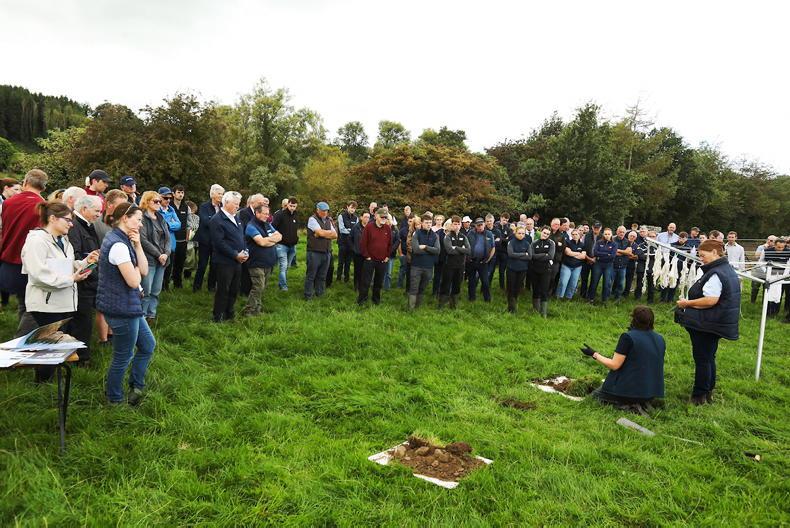
Water quality and sustainable farming practices took centre stage in Kilworth, Co Cork, on 18 June, as over 120 people attended the Farming for the Future in the Blackwater Catchment event on William Blackburn’s dairy farm.
The farm walk, organised by Teagasc, Dairygold and the Agricultural Science Association, highlighted how high-performance dairy systems can deliver for farmers and on water quality measures at the same time.
The Environmental Protection Agency (EPA) estimates that a total nitrogen reduction of 630 tonnes of N (10kg/ha, on critical source areas) or 11% is required to support good ecological status in the Blackwater catchment.
When it comes to the actions farmers can take to address this and the fact that 43% of Ireland’s rivers have unsatisfactory nitrates levels, Teagasc catchment co-ordinator for the Blackwater region Philip Murphy emphasises it is a case of “getting the right action in the right place”.
“Ultimately, we are trying to reduce nutrient losses from farms,” said Philip.
“There [are] a number of ways of doing it. And the response from the environment to those actions might take some time.
"In areas where we are trying to reduce nitrogen losses, we're trying to reduce that at a river level, but that’s to minimise the impact at the estuary. The estuary is where we get most of them environmental impacts, but the action needs to be done upstream,” he explains.
Phosphorus is a bit different, as it will affect the river and local area immediately.
“There are measures to be put in place in terms of blocking the pathway, farmers putting in hedgerows or bunded drains to prevent any run-off going directly into streams. It is about tailoring the advice specific to an area and specific to an issue in the local waterway,” said Philip.
Measures at farm level
William is operating a spring grazing enterprise with 172 cows, a land area of 106ha and an EBI of €164. The main water quality measure he is implementing on the farm is the introduction of clover.
“We probably have about 50% of a good cover of clover. Then we are watching soil water escaping from the farm,” said William.
Last year, the Blackburn herd delivered 534kg of milk solids per cow to Dairygold at 3.82% protein and 4.87% fat.
Maximising and maintaining soil fertility are key objectives for William, with 100% of the farm at pH 6.2 or greater and 90% and 73% of soils at index 3 or 4 for P and K respectively. Reseeding is also a key element in driving the farm performance.
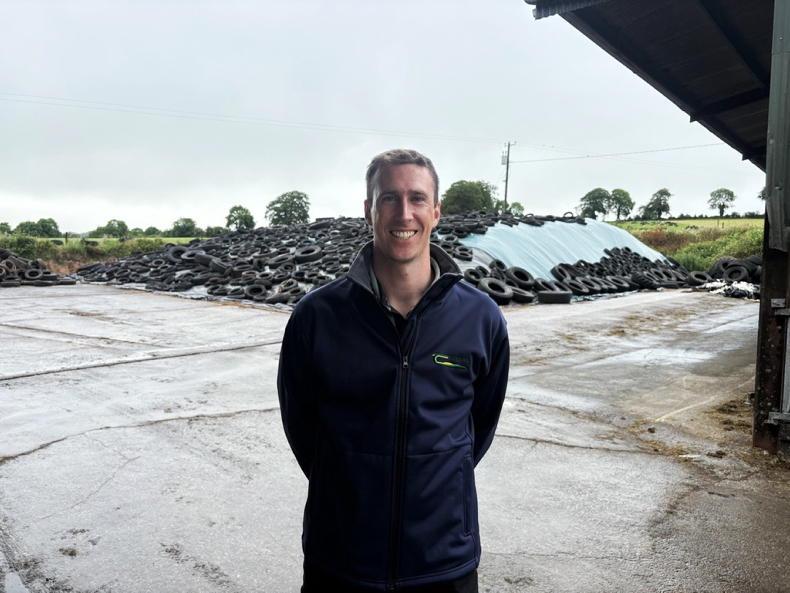
“William is a great example of walking that line of production and environment. He is quite conscious of the farmyard, water movement and all that, so he has a lot of structure in place to capture run-off from the yard, settlement tank and all to go with it.
"On the land management side where he is reseeding, he is using minimum tillage which is always a help for nitrogen losses,” said Philip.



SHARING OPTIONS