



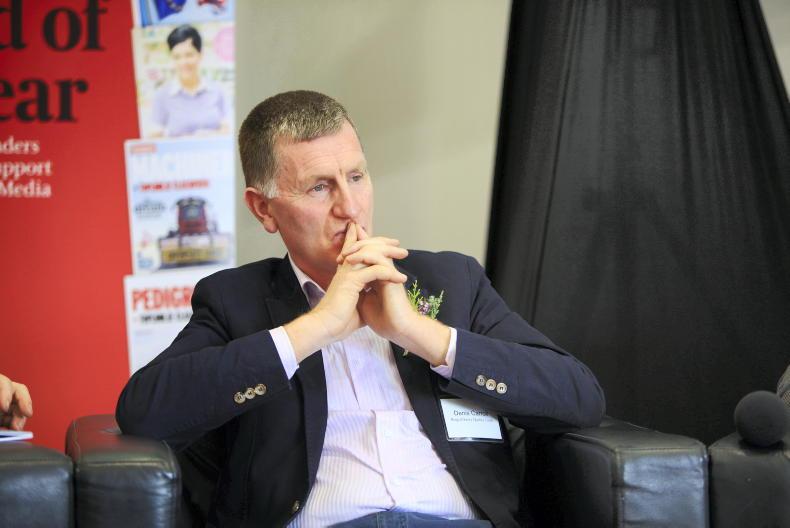
Kerry Co-op outwardly seemed to show unity of purpose at its AGM last Wednesday. The large attendance overwhelmingly endorsed a proposal brought by chair Denis Carroll to the meeting around the board's level of autonomy.
Over 90% of those present endorsed the idea that the co-op's board could spend no more than €50m in any five-year period. Any expenditure beyond that will require the endorsement of the co-op.
It sounds a lot of money, but Kerry Co-op holds over €1.7bn worth of shares in Kerry Group plc. It's less than 3% of the co-op's wealth, at current share values. Over five years. The co-op board has effectively handcuffed itself.
Why would the chair do this?
The simple answer is he probably had to. A group of shareholders had gathered signatures to force a special general meeting (SGM) with the aim of ringfencing 5.95plc shares to every co-op share. It isn't the full see-through value of the shares, that is about 6.15 shares, but it is close to ensuring that shareholders realise the full value of the investment they or their parents or grandparents made in the fledgling co-op less than 50 years ago.
That effort fell short, although it came very close to getting the 20% of shareholders to sign, and it's understood they also approached the second threshold, which was that these shareholders would own no less than 20% of total co-op shares between them.
However, it's understood ICOS had some concerns over the length of time over which some of the signatures had been collected, with COVID-19 a factor in slowing the effort. In addition, there were some reservations around the suitability of the wording of the motion presented.
The concern these shareholders had was that Kerry Co-op might buy a low-margin agri-business, using the Kerry Group shares to pay for the purchase.
Elephant in the room
The obvious elephant in the room is Kerry Group's Irish business. Kerry has stated that it doesn't have a long-term strategic interest in primary dairy processing or the related agri-business. And now that Glanbia has consciously uncoupled from the co-op mothership - now rebranded as Tirlán, Kerry Group is the only plc processing milk in the Republic of Ireland. It's co-ops all the way, apart from the family-owned Strathroy dairies, which brings milk north across the border to process it, and sells it back down south.
And if Kerry Group thinks it may perhaps want to sell, the co-op thinks it might, in theory, be interested in buying. Talks around a joint venture, which it seems both sides see as a stepping stone to a buyout, floundered in April of 2021, but have tentatively resumed.
And "dry" shareholders, who don't milk cows and have absolutely no strategic interest in the Irish dairy business, are worried that Kerry co-op will cash in hundreds of millions worth of plc shares to buy back the business that started the whole show in the first place. Hence the signature gathering and the SGM plans.
Handcuffs
In any event, the SGM didn't happen. What did happen is that Denis Carroll made a pledge to bring forward a proposal that would place handcuffs on the board. Now shareholders can rest easy that the destiny of their shares is in their own hands. So, everything in the garden is rosy, right?
Well, not exactly. If there's one thing I've learned in my time covering Kerry Co-op, it's that it contains as many twists as the road to Dingle. The complication is that a lot of dry shareholders don't get to vote in co-op meetings. For this reason, I understand that a group of shareholders are considering recommencing the long process of obtaining signatures for an SGM.
Shares trump milk?
It used to be said that the milk price didn't matter in Kerry as much as the share price. That is certainly not the case any more. Quite apart from the long drawn-out arbitration process around the "leading milk price", Kerry currently languishes in the lower regions of the Irish Farmers Journal Milk League.
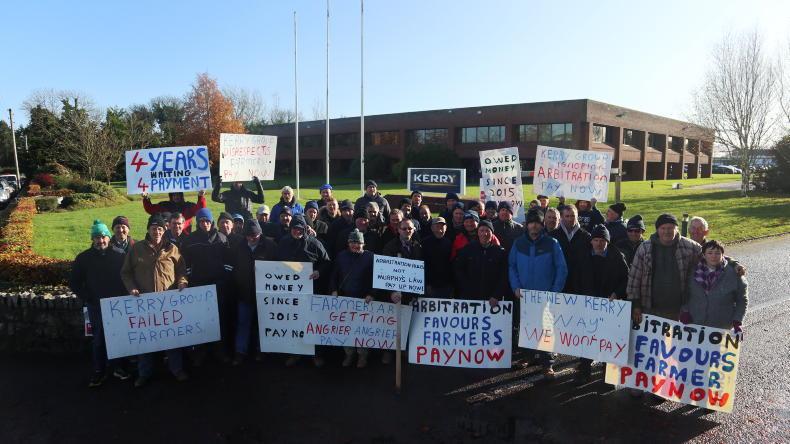
Last month saw the extraordinary sight of a protest at Kerry Group's Charleville offices attended by the IFA, ICMSA, and (drum-roll) the Kerry Co-op chair and some of his board.
It was a rare public show of dissension that pleased some suppliers who feel the co-op has been too passive in its dealings with Kerry Group, but angered others who believe all rows should be kept "in-house". It also led others to wonder how a deal can be struck on buying the business.
Enter Jim Woulfe. The recently retired Dairygold CEO has been hired by the co-op as a consultant and to play a leading role in negotiations with Kerry Group on its behalf. It's an inspired hiring. Woulfe is universally respected for his business acumen and his innate decency. But this is a challenge that will test his abilities.
Tirlán strikes out on its own
Meanwhile, across eastern corner of the south coast, the former Glanbia co-op celebrated another milestone on Thursday. The Bunclody branch was formally opened as the first fully re-branded Tirlán co-op store, hardware and garden centre. It all looked very impressive, a process which will be repeated across the more than 50 branches Tirlán operates.
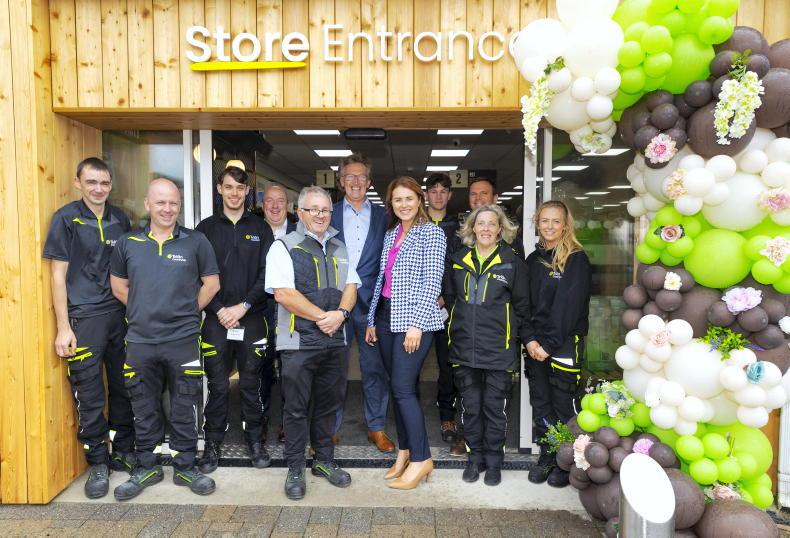
Chair John Murphy spoke of his confidence that Tirlán will grow as a standalone business, separate from Glanbia plc, although always maintaining a close trading relationship with it.
Glanbia was born in part from Avonmore and Waterford co-op's learning from the extraordinary success of Kerry co-op's evolution into Kerry Group plc, a global giant in the food ingredients business. Is the shoe now on the other foot? Does Kerry have lessons to learn from Tirlán?
NOTE: This Article was amended on 25 July
Previously, the article had incorrectly inferred that the Kerry co-op board had a stated position to buy a low-margin agri-business, using Kerry Group shares to pay for the purchase".
This author and the Irish Farmers Journal accept that was not the stated position of the Kerry co-op board under Mundy Hayes. While the purchase of an agri-business has been under consideration by the board of Kerry co-op since 2018, it has never been expressed that it be low-margin, or that it be funded through the sale of Kerry co-op's shares in Kerry group. Rather, this was the fear expressed by co-op members opposed to such an acquisition.



SHARING OPTIONS