


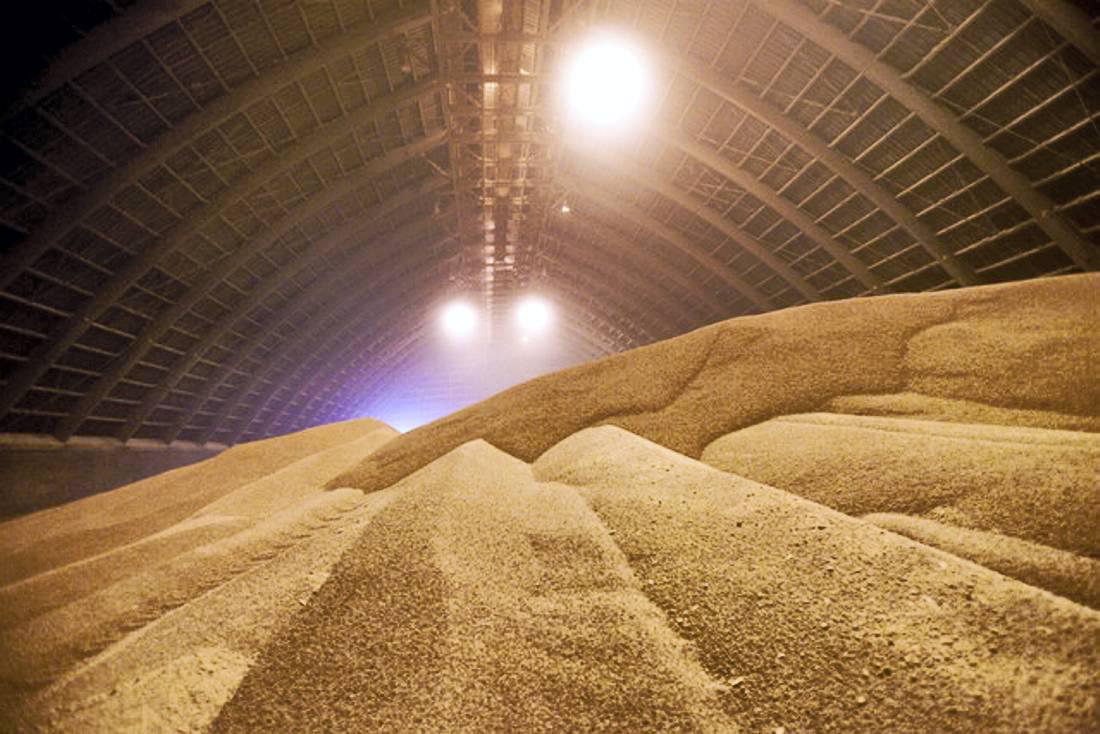
The prospects of lower potash prices have been further hindered by recent production events in Russia in particular.
Russia is one of the major global suppliers of potash with significant exports to China and other global destinations. It formed part of a joint production venture which split up in recent years and the Russian producer, Uralkali, had threatened to oversupply the potash market to gain market share as production margins decreased.
Uralkali is the world’s largest producer of potash and it recently announced that it expects to produce as much as 12m tonnes of potash in 2014 – up by 4% on its previous forecast. And it claims this despite the closure of one of its mines in November due to flooding.
In mid-November the company reported that a large sinkhole appeared to the east of its Solikamsk-2 production site. This has increased in size since then and the mine has been filling up with salt water. If this mine is abandoned due to flooding, the consequence is expected to be significant as Solikamsk is said to account for almost about 18% of Uralkali’s output capacity.
Some commentators feel that production at Uralkali will be hit during 2015, despite its insistence that it will increase output from its other mines to more than compensate. With many mining companies reported to have low closing stocks, it seems possible that any additional output by other producers will only happen if prices justify the costs involved. On balance, this looks like an argument to justify high-priced potash into the year ahead.
Uralkali’s director of sales and marketing, Oleg Petrov, said in a recent statement that “global potash deliveries in 2014 are estimated to reach a record 59m to 60m tonnes”.
“This is aided by restocking needs and affordable potash prices,” he stated.


SHARING OPTIONS