Last December’s announcement that Ireland had been successful in securing a three-year extension to the nitrates derogation, was met with a sigh of relief from all invested in Irish agriculture.
In reality though, the extension is merely a step back from the cliff face and we will be returning to the same scenario of uncertainty in 2028 – unless an alternative is found to the short-term cycle of derogation.
What is the nitrates derogation?
For those who aren’t fully up to speed, a nitrates derogation is a special permission granted by the European Union that allows certain farms to carry a higher stocking rate than the standard EU limit of 170kg of organic nitrogen/ha.
In total, there are just over 7,000 farmers in the Republic of Ireland currently farming under a derogation. The majority of these are dairy farmers, with a smaller cohort of intensive beef farmers making up the rest.
Every four years the derogation is reviewed by the European Commission. This is to decide whether or not a country should see the derogation renewed for another term. At the end of 2025, Ireland’s destiny was up for decision.
Speculation was rife in the months leading up to the review about which side the hammer would fall.
A decision in early 2024 to cut the upper limit of 250kg of organic nitrogen/ha to 220kg/ha in many parts of the country was met with frustration by farmers. These areas were decided based on the lack of significant improvement in water quality in the local area.
In 2025, more farms were moved to a 220kg/ha limit, meaning most Irish farms now operate at this figure.
These cuts served to add fuel to the fire that a loss of derogation was very possible in the end of year review.
However, in October 2025, EPA findings showed that water quality in most areas was starting to show some improvement and farmers, farm organisations and media alike continued to push hard for a renewal.
On 9 December 2025, the derogation was extended for another three years. The extension comes with several conditions but overall, the decision is positive for Irish agriculture.
Unfortunately, it’s only an extension and one year less than the typical four-year extensions. Ultimately, Ireland will need to be capable of demonstrating significant improvements or the industry will be back to square one by December 2028, when the next extension will be considered.
Land demand
A loss of derogation would have had an immediate and significant effect on the land market. Those derogation farmers essentially would have been faced with two options – to drop cow numbers or secure more land.
Inevitably, a large proportion of the 7,000 farmers would first look to secure some additional land before making the decision to cut back on stock.
Leased land in particular would see a huge demand increase with prices likely to climb.
The knock-on effect for other sectors would be enormous as prices would likely be driven out of reach for a large cohort of beef, sheep and tillage farmers.
This is not going to be the case for at least another three years and it’s hoped by that time there will be more clarity on the likely outcome well in advance of the review. In reality though, the decision will probably once more come down to the wire.

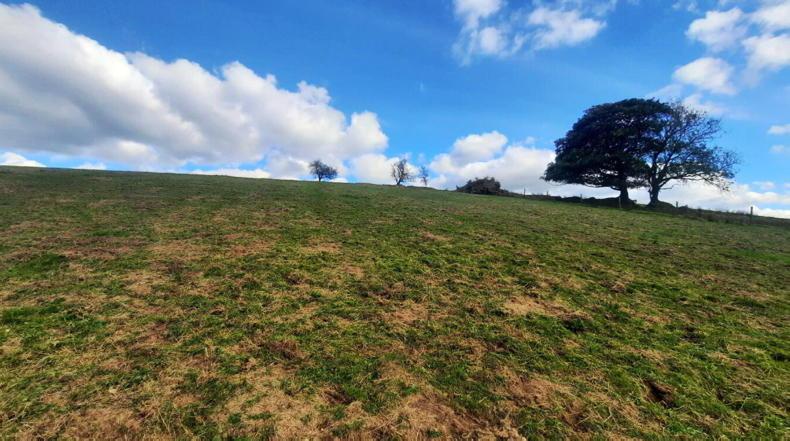
Milk prices in 2026 could see a reduced demand for extra land among dairy farmers
Milk prices
The next big hurdle impacting land prices in terms of the dairy sector is milk price. Since August 2025, there have been significant monthly cuts across the board from all milk processors both in Ireland and internationally.
The current base price being paid to suppliers across the country is just over 30c/l, which is down over 20c/l on prices being paid in the first half of 2025.
A report compiled by Ifac in Q4 of last year, showed that the average cost of production on farms in 2025 was estimated to be 42c/l by the year end.
With no real reductions expected in input prices for the year ahead, the average farm will essentially be producing milk at a higher cost than what they will be paid over the next number of months.
The reason for the price cuts is an oversupply of milk worldwide. The high milk prices globally in 2024 and the first half of 2025 coupled with lower grain prices, has resulted in countries producing significantly more milk than in previous years.
To put this in context, Irish supplies were up 5.5% in 2025 versus 2024, UK supplies were up 5.2%, while big players like New Zealand and the US produced 1.7% and 4% respectively.
This oversupply has been reflected in the global dairy markets where prices paid for milk-based products such as butter, cheeses and powders has plummeted.
Until this supply begins to regulate, prices will remain low – something that is expected to continue well into 2026.
To remain sustainable, dairy farms will have to find ways to cut costs across the board and for that reason land leases or purchases that seemed like good value in the last two years may no longer be viewed as attractive options to farm businesses.
It’s unlikely there will be an immediate reaction from farmers but if the slump in milk price continues, the effect may become very real.
The first port of call for farmers when it comes to cutting land costs will likely be leased ground outside of the milking platform.
This land is far less productive for the business and unless it is essential in terms of silage production or heifer rearing, it could be first to get the bullet.
For all those involved in the land market, its an area to watch for in the year ahead.

Last December’s announcement that Ireland had been successful in securing a three-year extension to the nitrates derogation, was met with a sigh of relief from all invested in Irish agriculture.
In reality though, the extension is merely a step back from the cliff face and we will be returning to the same scenario of uncertainty in 2028 – unless an alternative is found to the short-term cycle of derogation.
What is the nitrates derogation?
For those who aren’t fully up to speed, a nitrates derogation is a special permission granted by the European Union that allows certain farms to carry a higher stocking rate than the standard EU limit of 170kg of organic nitrogen/ha.
In total, there are just over 7,000 farmers in the Republic of Ireland currently farming under a derogation. The majority of these are dairy farmers, with a smaller cohort of intensive beef farmers making up the rest.
Every four years the derogation is reviewed by the European Commission. This is to decide whether or not a country should see the derogation renewed for another term. At the end of 2025, Ireland’s destiny was up for decision.
Speculation was rife in the months leading up to the review about which side the hammer would fall.
A decision in early 2024 to cut the upper limit of 250kg of organic nitrogen/ha to 220kg/ha in many parts of the country was met with frustration by farmers. These areas were decided based on the lack of significant improvement in water quality in the local area.
In 2025, more farms were moved to a 220kg/ha limit, meaning most Irish farms now operate at this figure.
These cuts served to add fuel to the fire that a loss of derogation was very possible in the end of year review.
However, in October 2025, EPA findings showed that water quality in most areas was starting to show some improvement and farmers, farm organisations and media alike continued to push hard for a renewal.
On 9 December 2025, the derogation was extended for another three years. The extension comes with several conditions but overall, the decision is positive for Irish agriculture.
Unfortunately, it’s only an extension and one year less than the typical four-year extensions. Ultimately, Ireland will need to be capable of demonstrating significant improvements or the industry will be back to square one by December 2028, when the next extension will be considered.
Land demand
A loss of derogation would have had an immediate and significant effect on the land market. Those derogation farmers essentially would have been faced with two options – to drop cow numbers or secure more land.
Inevitably, a large proportion of the 7,000 farmers would first look to secure some additional land before making the decision to cut back on stock.
Leased land in particular would see a huge demand increase with prices likely to climb.
The knock-on effect for other sectors would be enormous as prices would likely be driven out of reach for a large cohort of beef, sheep and tillage farmers.
This is not going to be the case for at least another three years and it’s hoped by that time there will be more clarity on the likely outcome well in advance of the review. In reality though, the decision will probably once more come down to the wire.

Milk prices in 2026 could see a reduced demand for extra land among dairy farmers
Milk prices
The next big hurdle impacting land prices in terms of the dairy sector is milk price. Since August 2025, there have been significant monthly cuts across the board from all milk processors both in Ireland and internationally.
The current base price being paid to suppliers across the country is just over 30c/l, which is down over 20c/l on prices being paid in the first half of 2025.
A report compiled by Ifac in Q4 of last year, showed that the average cost of production on farms in 2025 was estimated to be 42c/l by the year end.
With no real reductions expected in input prices for the year ahead, the average farm will essentially be producing milk at a higher cost than what they will be paid over the next number of months.
The reason for the price cuts is an oversupply of milk worldwide. The high milk prices globally in 2024 and the first half of 2025 coupled with lower grain prices, has resulted in countries producing significantly more milk than in previous years.
To put this in context, Irish supplies were up 5.5% in 2025 versus 2024, UK supplies were up 5.2%, while big players like New Zealand and the US produced 1.7% and 4% respectively.
This oversupply has been reflected in the global dairy markets where prices paid for milk-based products such as butter, cheeses and powders has plummeted.
Until this supply begins to regulate, prices will remain low – something that is expected to continue well into 2026.
To remain sustainable, dairy farms will have to find ways to cut costs across the board and for that reason land leases or purchases that seemed like good value in the last two years may no longer be viewed as attractive options to farm businesses.
It’s unlikely there will be an immediate reaction from farmers but if the slump in milk price continues, the effect may become very real.
The first port of call for farmers when it comes to cutting land costs will likely be leased ground outside of the milking platform.
This land is far less productive for the business and unless it is essential in terms of silage production or heifer rearing, it could be first to get the bullet.
For all those involved in the land market, its an area to watch for in the year ahead.
SHARING OPTIONS