



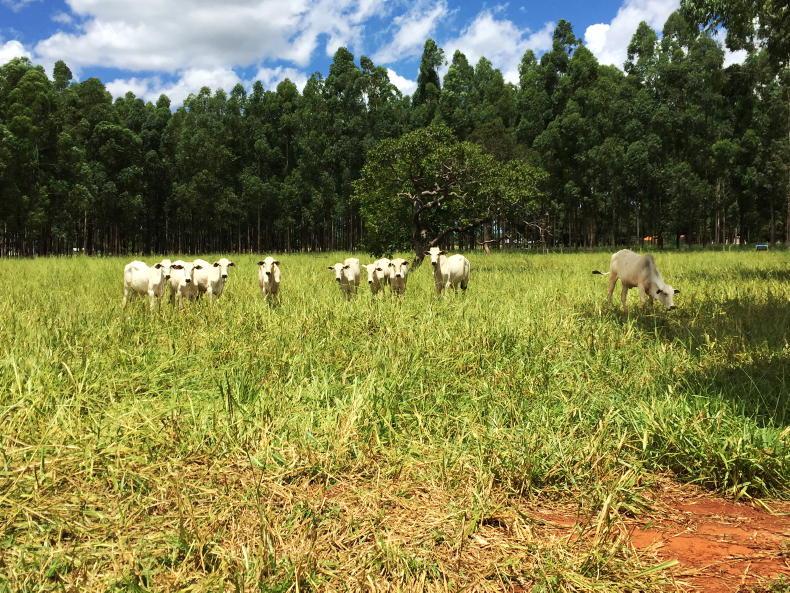
A senior Commission official has conceded that carbon leakage on beef produced outside Europe could be an unintended consequence of the EU’s drive to counter climate change.
Tassos Haniotis, acting deputy director-general for DG AGRI, was reacting to MEP concerns that the EU will export its livestock production to parts of the world that are less concerned with the impact of cattle numbers on climate change.
“There is a strong potential for emissions leakage, that is increasing emissions outside the EU due to increasing imports from countries that have a relatively higher level of emissions per unit of production,” Haniotis told members of the European Parliament’s Committee on Agriculture and Rural Development (COMAGRI).
His comments came during a discussion last week of a recent report based on an ‘Evaluation study of the impact of the CAP on climate change and greenhouse gas emissions’.
The study found that greenhouse gas emissions have not really moved since 2010, although they dropped by 20% in the previous two decades.
However, the admission by Haniotis on carbon leakage will fuel farmer fears that any reduction in EU beef output will result in increased production in regions such as South America.
Earlier this year a study by Brazil’s beef exporters’ association, ABIEC, predicted that cattle numbers in the South American country will expand by an unprecedented 24 million head by 2030.
A number of MEPs echoed the concerns of Europe’s farm organisations by pointing out that the EU’s efforts on climate change were handing the union’s internal beef market to Third Countries.
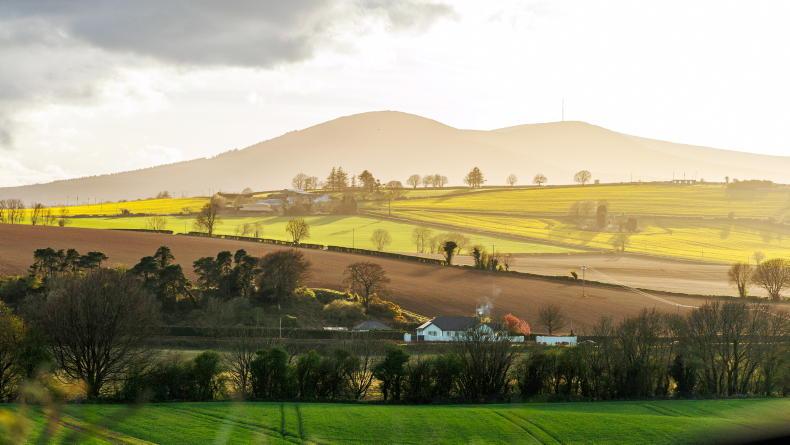
In a boost for Ireland’s traditional suckler farmers, however, Haniotis said grass-based extensive farming was the most effective beef production system from a climate change perspective.
He said this was “thanks to the maintenance of permanent grassland”.
“The main contribution [in terms of climate change] from all our systems comes through support from nitrogen-fixing crops,” Haniotis added.


SHARING OPTIONS