


On a herd basis, research would suggest that the two most critical factors determining the success of the breeding season is the duration from calving to mating and the body condition score of the herd at mating.
Successful breeding seasons are those where close to 80% of the herd go in-calf within the first six weeks and less than 10% are not in-calf after 12 weeks of breeding.
Other than calving to mating interval and body condition score, heat detection efficiency is a big determining factor in achieving the targets.
Heat detection efficiency is a measure of the number of heats observed as a percentage of the total number of heats that took place. Basically, it’s a test on how good the operator was at picking up cows in heat.
The Teagasc farm fertility study, conducted in 1999, showed that 15% of heats of the 6,500 cows in the study were not observed. At that time, increasing herd size, lower labour input per cow and defective heat detection methods were identified as likely causes. Incidentally, the top 25% of herds in that study had less than 5% of heats missed.
With herd size expected to grow now that quotas are on the brink of being abolished, and with the cows per labour unit ratio having increased further since the early 2000s, is this an area of weakness on dairy farms and what effect, if any, can new technology have on improving heat detection rates?
In recent years, many new heat detection aids have come to the market, ranging from new types of tail paint, kamars and scratch cards to sophisticated computer-based activity-monitoring and behaviour-sensing devices that go on individual cows to alert the farmer when a cow is in heat.
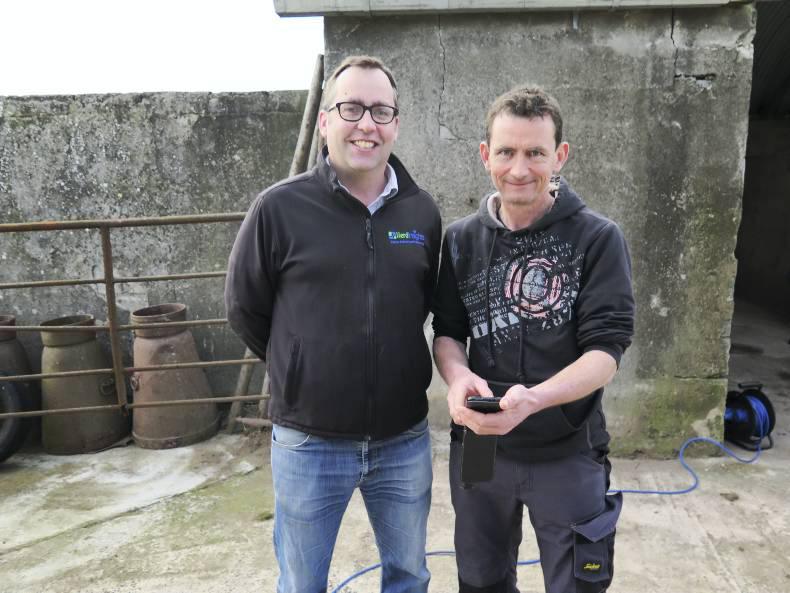
One such product is HerdInsights, which has been developed by Cork-based start-up company Alanya. This is a cloud-based health and heat monitoring system, which is claimed to improve heat detection efficiency and reduce healthcare costs through early illness detection.
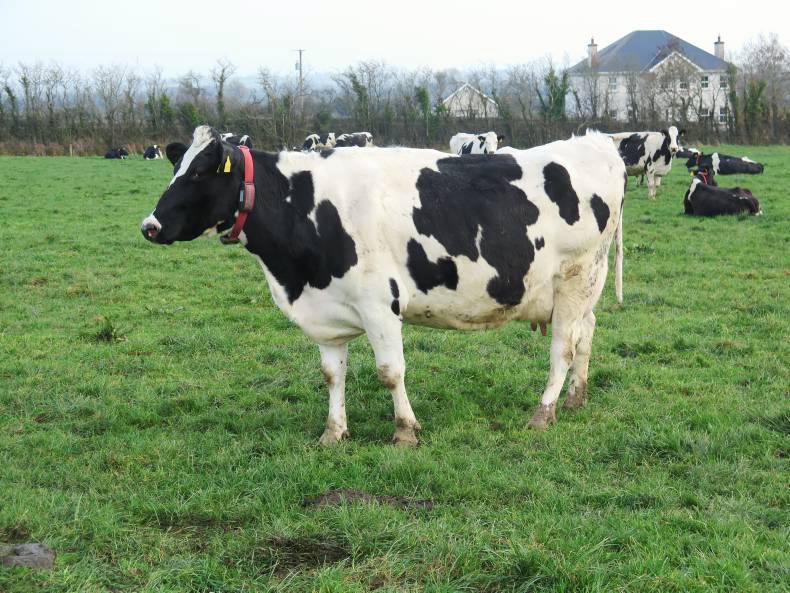
Unlike other products on the market that rely solely on activity monitors, HerdInsights operates through monitoring the cow’s gestures and compares her behaviour (grazing, walking, mounting and lying) relative to the herd and relative to her normal behaviour. This activity, together with the cow’s skin temperature, is recorded on a neck collar, which then sends a signal to a base station situated near the milking parlour.
Information from the base station is then automatically sent to Alanya’s headquarters, where the data is disseminated and within minutes a text alert is sent back to the farmer of any cow that the system thinks is in heat or getting sick.
Alanya claims that its multi-metric analysis of the cow’s behaviour improves the accuracy of heat detection and leads to fewer false positives, which, according to Padraig Lynch of Alanya, is a problem with some pedometer-based heat detection systems.
Padraig said: “We validated the heat detection efficiency of HerdInsights on four commercial farms over 2014. Based on insemination data and scanning results, the system accurately predicted 93% of the heats that took place and 97% of the HerdInsights alerts were for an actual heat. These were all high-yielding, split-calving herds, milking over 8,000 litres per cow. After using the system, their six-week in-calf rate increased to over 70%, far higher than was previously being achieved.”
Cost
As with a lot of automation devices on farms, there is a substantial initial capital investment.
The system comes in two parts – the base station, which is fixed in the farmyard, costs €3,300 excluding VAT, and each Health Monitor neck collar costs €120 including VAT. Therefore, if a farmer with a spring-calving herd wanted to buy a collar for 100 cows, the total initial cost would be €15,300.
Return
In terms of calculating return on investment, Alanya claims that, based on the results from the trial farms and on national average breeding statistics, the payback period for a 100-cow farm will be about 18 months, based only on improved heat detection, taking no account of the health benefits of the system.
These claims are based on shifting the average six-week calving rate from 58% to 70%. The 70% figure is based on the results obtained by cows on the trial farms, not including the contribution of heifers. According to Teagasc figures, each 1% change in the six-week in-calf rate will result in €8.26 more per cow per year in increased output and reduced costs.
So, if the calving rate increased by 12% by using the system, as is claimed by Alanya, €99 more revenue per cow per year is achieved and thus the payback period is calculated. Padraig did point out that each farm is different and there are multiple factors involved in calculating how long it will take for the system to pay for itself. He also pointed out that these figures only include fertility and don’t take into account the savings made through early detection of animal health problems.
Comment
There are a number of issues with calculating the payback duration on products like these. It all depends on the improvement in fertility and health. The results from the trial farms are not scientific papers. It is always difficult to compare performance from one year to the next, as a change in some other management factor may confound results. I would be wary about basing projections for your farm on these results.
That said, the results achieved were good and farmers that I spoke to who are using HerdInsights are very happy with how the system is working. The reduction in time and labour required during the breeding season, the early detection of illness and the peace of mind that more silent heats are being picked up were all mentioned as benefits of the system.
The health benefits are even harder to quantify. Farmers I spoke to who are using the system were impressed with the system’s ability to detect sick cows faster than they could. Putting an economic value on this is very difficult and what effect early detection has on treatment success depends largely on the illness and its severity. Buying a product like HerdInsights requires significant capital input.
Whether it is worth the investment or not depends on your own farm’s situation with regards to affordability, labour availability and current breeding success. At the end of the day, provided that the system works well, a lot of the decision comes down to affordability and lifestyle.


SHARING OPTIONS