


The higher the reliability figures the less likely it is that the animal’s index will change in the future and this allows farmers to make important breeding decisions with more confidence. Reliabilities will only increase as data is recorded so it is critically important that as much data as possible is recorded on breeding animals, particularly stock bulls.
Analysis of pedigree beef bulls born in 2013 shows a low level of performance recording across some key traits (see Table 1). Low levels of performance recording will result in breeding bulls being sold with lower reliabilities on their €uro-Star Indexes.
This means that there is a much higher possibility that the indexes of these non-performance recorded bulls will change significantly as they begin to produce progeny.
What data should be recorded on pedigree animals?
Data can be recorded across a wide number of traits from basic calving survey data to specific health data. The key data required for pedigree animals is outlined below:
Dam serves: Gestation length is an important trait, particularly where beef bulls are being used in the dairy herd. In order to properly quantify gestation, an accurate date for when a cow became pregnant is required. Where AI is used, this is straightforward as a definite date is known. Stock bull serves are not as easy to record, but where bull activity is being observed, these serves can also be recorded.
Calving data: Calving surveys have been routinely recorded in many herds since 2008. Eighty-seven per cent of pedigree bulls born in 2013 had a calving survey recorded. Only 5% of bulls, however, had a birth weight recorded. Birth weights give an indication as to the effect of calf size on calving difficulty. Where a weighing scales is not available, birth measurements in the form of chest girth and height at the shoulder can be submitted in the place of a birth weight. For herds participating in the BDGP, birth size and calf vigour are now being collected on calves.
Weight data: The performance of beef animals is measured by weight gain, yet the level of weight recording in pedigree beef herds is low, with only 32% of beef bulls born in 2013 having a weight recorded. There are a number of important weights that should be recorded on pedigree beef animals:
150-250 day weights (maternal weaning weight):
This is probably the most important weight as it provides data on the performance of the calf as well as data on the milk performance of the cow. This can be collected and recorded by the breeder or by an ICBF technician.
250-365 day weights (post weaning weight):
This weight gives further data on the growth performance of the calf/weanling and is usually collected when the animal is linear scored by an ICBF linear scorer.
Mature cow weights:
Cow liveweight is an important trait for suckler farmers as it is strongly linked to maintenance costs. Bigger cows will generally eat more, therefore will cost a farmer more to keep per year. Recording live weights on pedigree beef cows is important as it will be sons of these cows that will be used to breed future generations of both pedigree and commercial suckler cows.
G€N€ IR€LAND Beef Programme
The main objective of the G€N€ IR€LAND Beef Programme is to identify young bulls that will improve important maternal traits in the national suckler herd. The structure of the programme is currently being reviewed by ICBF in conjunction with the beef breed societies and participating AI companies. While the details of the new programme have not yet been finalised, it is likely that it will move towards encouraging more data recording in pedigree beef herds and rewarding herds that record high levels of accurate data.
All pedigree beef herds will receive correspondence from ICBF in the coming months with final details on the programme.
If you have any queries on data recording or require more information on G€N€ IR€LAND, please contact ICBF on 023-882 0452 or email query@icbf.com.
Table 1: Performance recording of pedigree beef bulls born in 2013
| Total bulls born | Dam serve data | Calving survey (1-4) | Birth weight | Linear scored | Weighed |
| 15,652 | 3,265 (21%) | 13,613 (87%) | 732 (5%) | 4,264 (27%) | 5,051 (32%) |
Letters arrived on farms last week notifying farmers of the animals selected for genotyping in 2016. This year farmers will have the opportunity to change animals if they so wish. This facility is only available online through
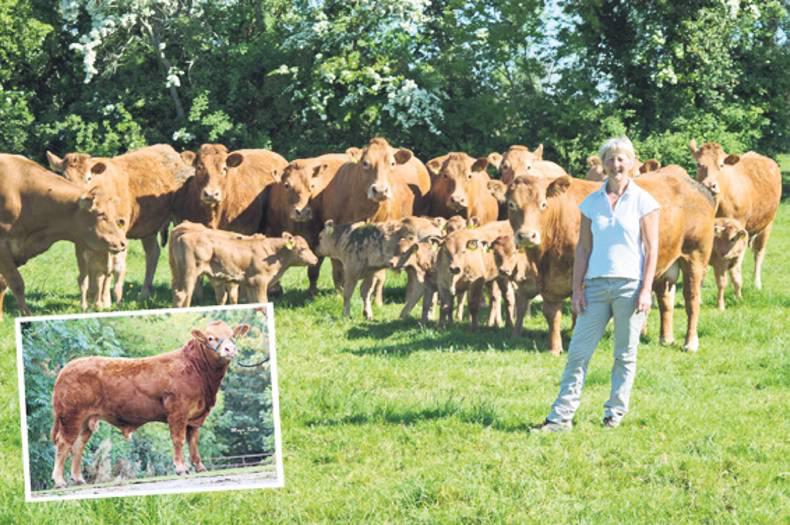
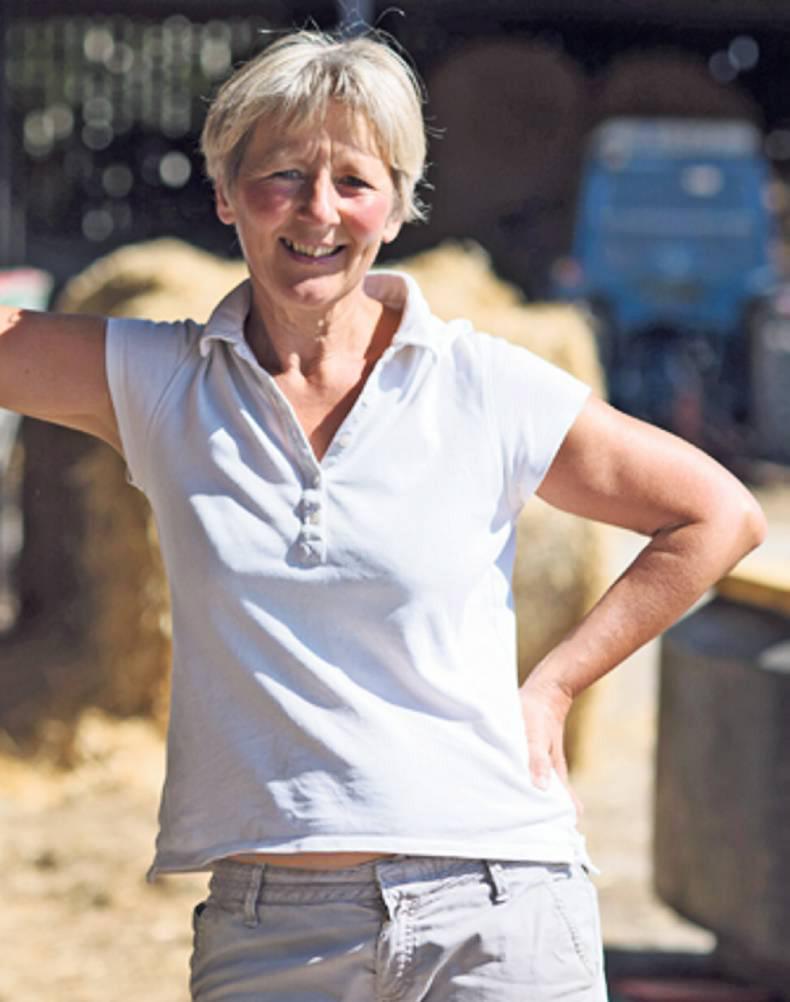
Name: Mac Murphy & Teleri Thomas, Clongiffin, Enfield, Co. Meath
Farming System: Pedigree Limousin Breeders
4 and 5 Star Females: Cows: 21 Heifers: 24
Replacement Strategy: Breed all my own.
Mac Murphy & Teleri Thomas run the 30 cow Keltic Limousin herd in Enfield, Co. Meath. The Keltic herd is one of the top pedigree beef herds in the country for data recording. We asked Teleri to describe the breeding strategy of the herd and how she records data on the pedigree stock.
What is the breeding strategy for your herd?
The main emphasis is on maternal traits, particularly milk and docility. Fertility, calving ability and calving ease are also very important. I want a medium sized cow that will milk well off grass. All calving is done outside in April/May and September/October and this has definite health benefits. Identifying terminal bulls is relatively easy, but the big challenge is to identify the best maternal bulls.
Describe your routine for recording data?
I use a tape and a measuring stick to collect the birth measurements. Where cows are protective I bring the cows and calves in to do this. We have a crush unit which has a built in weighing scales, so any time animals go through they are weighed. I try to weigh animals at least every 100 days. All pedigree animals are linear scored and weighed when they are 250-365 days old. All other calves on the farm are weighed by the linear scorer. We do DIY AI and I record all of the serve data. I record all data online through the ICBF website.
What advice would you give to other breeders on data recording?
The main thing is to develop a routine. Have a system that makes life easy and always think safety first, particularly when dealing with freshly calved cows. I find the bar graphs on the ICBF homepage are a very useful prompt to record data. The weighing scales is an invaluable tool as I can closely monitor and record performance data all year round.



SHARING OPTIONS