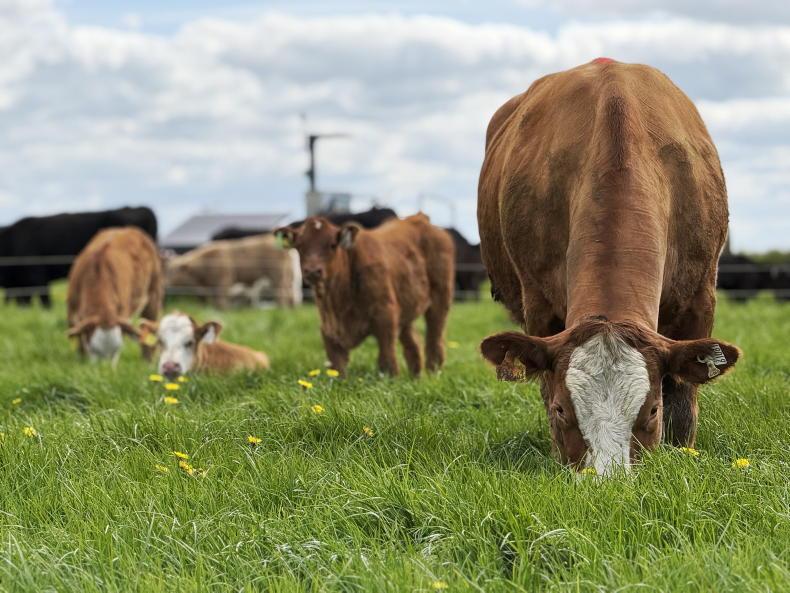
How can you get an extra €600 in profit from each suckler cow, while making better use of your time on the farm? This will be one of the key questions addressed at the Teagasc National Beef Conference on Monday 30 November, at the Hodson Bay Hotel, Athlone, Co Roscommon.
With the theme ‘Profitable Beef Farming, Balanced Lifestyle’, this year's conference will bring together Teagasc researchers, advisers, farmers and industry experts to discuss practical ways to improve beef farm profitability, while making time for family life and personal interests.
Starting at 5pm, the conference will focus on two important areas for beef farmers: improving animal performance and financial returns from birth to finish, and making beef farming more manageable around family and other commitments.
The event will be opened by Professor Frank O'Mara, director of Teagasc, following a welcome from James Kelly, drystock adviser with Teagasc Roscommon/Longford.
Driving performance and profit from birth to finish
The first session, chaired by Charlie Devaney, drystock adviser with Teagasc Roscommon/Longford, will examine where farmers can make the biggest gains in animal performance and profitability.
Future Beef Programme manager Martina Harrington will present Teagasc research outlining seven practical changes that could improve suckler farm profitability. The analysis, based on a 70-cow, 50ha suckler-to-beef system, highlights potential additional margins of up to €600 per breeding cow, when all seven changes are implemented.
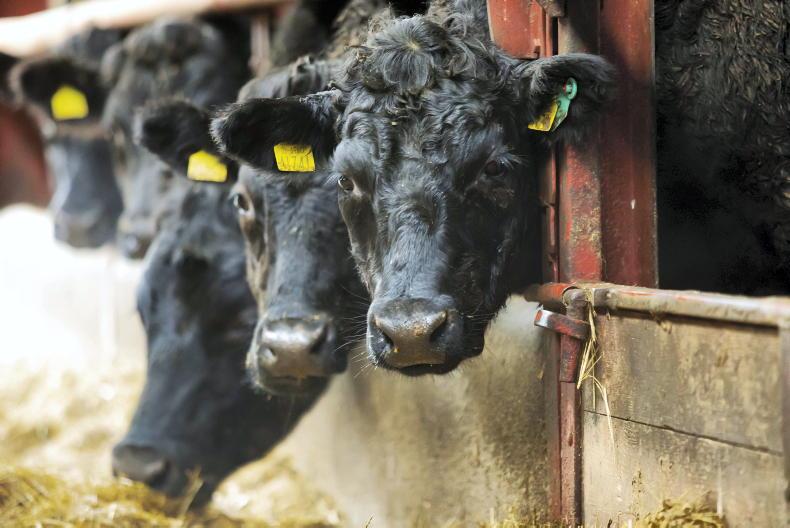
The starting point is understanding production costs. Keeping a suckler cow for a year and rearing her calf-to-weaning costs an estimated €995/cow-calf pair, excluding land and labour. Feed accounts for €525 of this total, highlighting the importance of making better use of home-grown grass.
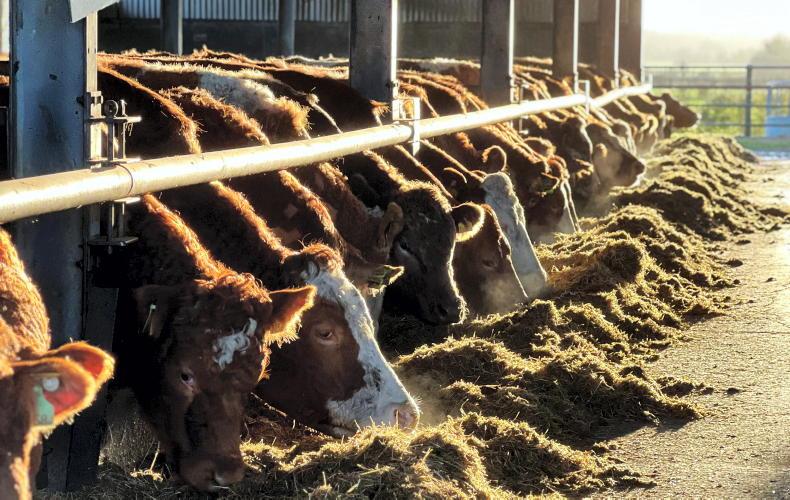
Improving lifetime daily liveweight gain from 0.82kg to 0.95kg could increase margin by €141/cow. Increasing the number of calves reared from 0.90 to 0.99/cow/year could add €134, while incorporating white clover into grazing swards and red clover into silage swards could deliver a further €110/cow.
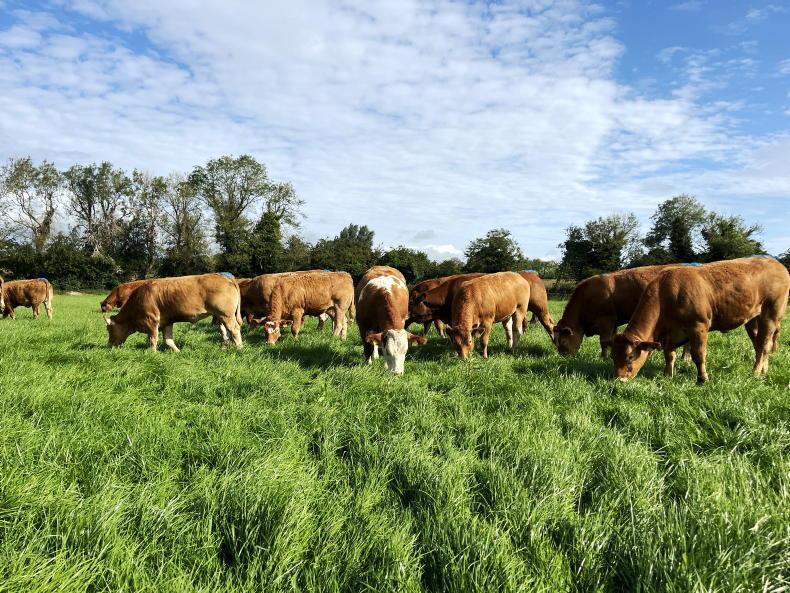
The research also highlights the importance of calving replacement heifers at 24 months, extending the grazing season and improving grass utilisation. Importantly, the most profitable changes differ depending on whether farmers are aiming to maximise margin per cow or per hectare.
Martina will outline how farmers can use their own farm figures to identify where the greatest opportunities lie and which changes are likely to deliver the best return.
Dr Paul Smith, Teagasc researcher at Grange, will then present findings from Beef-Quest, an Irish research project led by Teagasc in collaboration with University College Dublin (UCD) and the Irish Cattle Breeding Federation (ICBF), and funded by the Department of Agriculture, Food and the Marine (DAFM).
The project examines how cattle performance can be improved from weaning through to slaughter. Paul will discuss what the research data is telling us and how farmers can use this information to make better decisions around cattle management, nutrition and finishing performance.
These presentations will be followed by a panel discussion on maximising output from birth to finish. Panellists will include Martina Harrington, Dr Paul Smith, Dr Aisling Claffey, Teagasc ruminant nutritionist, Brian Jordan, Castle Forbes Estate, Co Longford, and Dr Marijke Beltman, MRCVS, from University College Dublin.
The discussion will bring together expertise in animal breeding, nutrition, health and management, to explore practical ways of getting more from every animal produced. A short break with complimentary refreshments will follow.
Farming and family life: finding the right balance
The second session, chaired by television presenter Helen Carroll, will focus on another important challenge facing beef farmers: how to run an efficient and profitable farm without allowing it to take over family and personal life.
Aonghusa Fahy, a suckler beef farmer from Ardrahan, Co Galway, will share his experience of combining a 30-cow suckler enterprise with a full-time career as a secondary school teacher. In his presentation, ‘Teaching full-time, farming part-time: Making the beef farm fit family life’, he will explain how investment in infrastructure, technology, grassland management and outsourcing have helped him make the most of the hours available for farming.
With almost half of Irish farm holders working off-farm, his experience will be particularly relevant to farmers juggling employment, family commitments and farm work.
Frank Hynes, a farmer and coach with more than 35 years' experience in agriculture and founder of Fresh Pastures, will also address the importance of farmer wellbeing. Through his work, Frank helps farmers manage stress, improve wellbeing and achieve a better balance between farming and personal life.
His presentation, ‘Take Control of Your Farm, Your Time and Your Life’, will offer practical advice on managing everyday pressures, taking control of workloads and making time for the things that matter outside farming.
The session will conclude with a panel discussion entitled ‘Making Time for Better Beef Farming’. Panellists will include Olivia Hynes, suckler and sheep farmer from Co Roscommon; Aonghusa Fahy, suckler beef farmer from Co Galway; Colin Callinan, dairy calf-to-beef farmer from Co Galway; Seamus Nolan, Teagasc schemes support unit specialist; and Ger Hartnett from the Health and Safety Authority (HSA).
The panel will discuss practical ways to organise farm work, make better use of available labour and resources, improve farm efficiency and maintain safe working practices, while protecting time for family and personal commitments.
An evening with practical take-home messages
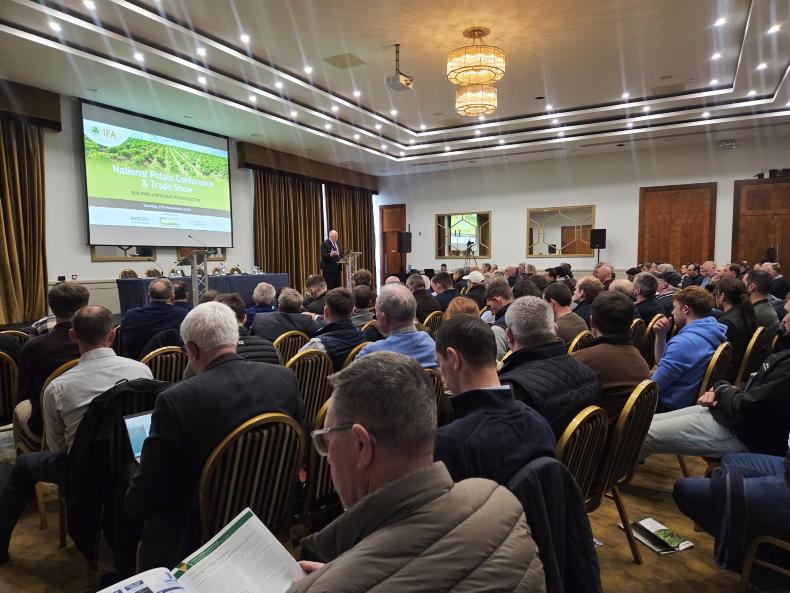
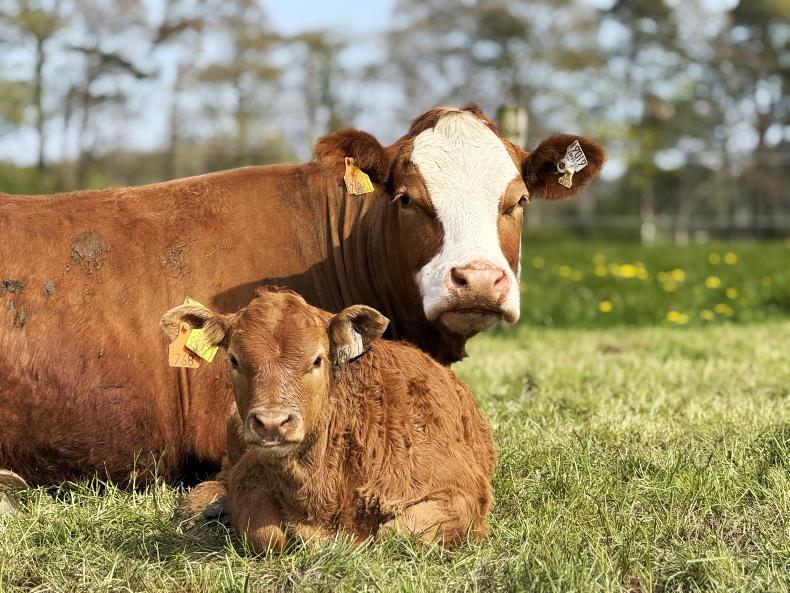
The Teagasc National Beef Conference will give farmers an opportunity to hear the latest research, learn from the experiences of fellow farmers and take away practical ideas that can be put into action on their own farms.
Whether your priority is improving cattle performance, reducing production costs, getting more from grass, making better use of your time, or achieving a better work-life balance, there will be something relevant to every beef farmer.
Beef farmers are encouraged to attend this free conference on Monday 30 November 2026, at 5pm in the Hodson Bay Hotel, Athlone, Co Roscommon (N37 XR82).
Further details available at www.teagasc.ie/beefcon26