



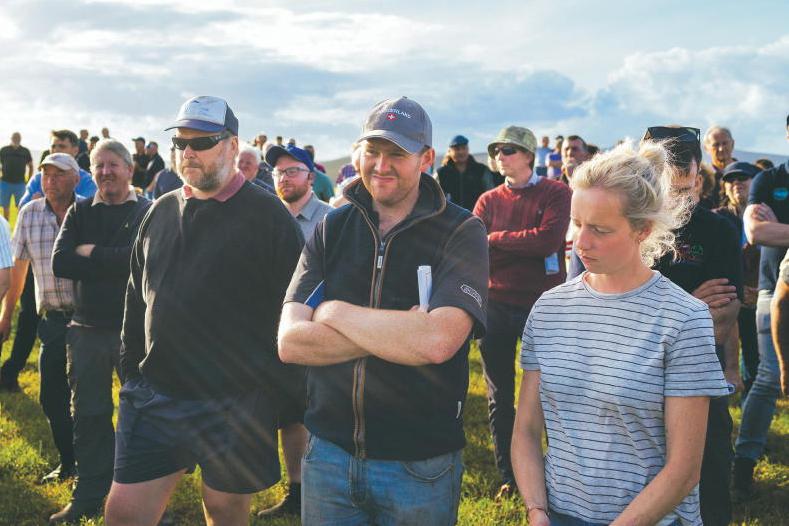
Irish agriculture is changing rapidly, with technology, sustainability, data, climate and business demands creating new challenges and opportunities. As the sector evolves, so too are the skills needed by those entering and working in it.
While traditional practical and technical skills remain at the heart of agriculture, Dr Anne-Marie Butler, head of education at Teagasc, says the future workforce will also need digital awareness, business knowledge, adaptability, communication skills and a willingness to engage in lifelong learning.
For her, one of the most important qualities for anyone entering the sector is an open mind.
“You want people coming in with an open mindset and the ability to deal with opportunities and challenges,” she says.
Communication
While technology becomes more prominent, Anne-Marie believes some of the most important skills remain decidedly human.
“You have to have good communication skills,” she says, stressing the importance of being able to have meaningful conversations with colleagues and people within the industry.
“That interpersonal piece, it’s just something that has gotten a bit lost in the last couple of years.”
The ability to communicate effectively, work with others and build relationships will remain important across the sector. Networking is another valuable skill, particularly in an industry where people can benefit from the experience and advice of others.
“Just having a network of people around you who can help, advise and guide you is invaluable,” she stresses.
Artificial intelligence
Even though technology is becoming an increasingly important part of modern farming, she does not see this replacing traditional agricultural knowledge.
Instead, workers will need to understand how technology can complement the skills they already have.
Artificial intelligence (AI) is another area where new skills will be required. Workers do not necessarily need to become AI experts, but they do need to understand how to use it appropriately and critically.
“Those entering the industry need to be mindful of what AI will give back. You should be able to recognise what’s accurate, what’s real and to be mindful of when you can use AI and when not to. The ability to question information, assess its accuracy and understand when technology is appropriate will become increasingly important for workers.”
“Digital, data and sustainability skills are also critical,” says Anne-Marie, and they are increasingly embedded across Teagasc courses, helping students to further develop these skills.

Business management
Another important area is business management, particularly for those who may eventually take responsibility for their own farm or agricultural business. Teagasc is increasingly looking at how these skills are integrated into practical learning rather than treating them as completely separate subjects.
Understanding costs, income, production figures, fertiliser requirements and environmental considerations can all help make better decisions.
For some students or those who do not have their own farming enterprise, they may not see the immediate relevance of these skills, but Anne-Marie says the aim is to ensure that they have the knowledge available as soon as they require it.
“The ability to understand where information comes from and where to find it is also important. Someone might not immediately need every business or technical skill they learn, but having a strong foundation means that they can return to it when their role or responsibilities change,” she explains.
Practical skills
Anne-Marie is clear that practical skills remain fundamental.
“When we survey our full-time students, their favourite modules are always the modules that require practical experience,” she says.
“Teagasc courses combine classroom learning with hands -on experience, allowing students to put scientific and technical knowledge into practice.
“Work-based learning provides an opportunity to develop skills that cannot necessarily be learned in a classroom.
“Students gain experience of working in other farms and businesses, adapting to different working environments and develop an understanding of the workplace. It’s giving them those skills and insights into the world of work,” she says.
This practical learning is a big part of work placements abroad. “It builds experience of different agricultural systems and working environments while also developing confidence and independence.”
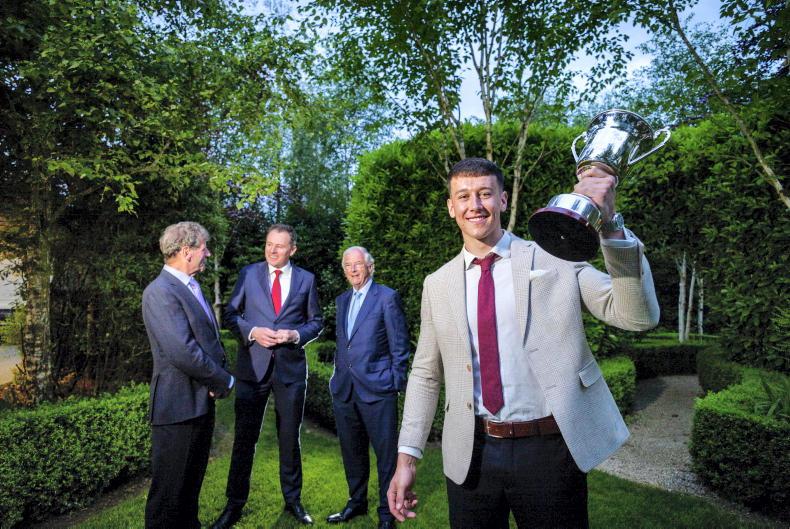
Apprenticeships provide another route for people who want to develop their skills through employment rather than full-time study.
“Teagasc delivers apprenticeships in areas including agriculture, horticulture and sports turf management, combining employment with education and allowing apprentices to develop practical skills while working towards a higher education qualification. “We’ve really seen that this approach has provided opportunities for students to showcase their skills. Sean Melia, one of our horticulture apprentices, became the youngest-ever winner of RTÉ’s Super Garden competition in 2026.”
Qualifications
With technology, science and agricultural practices continuing to develop, Anne-Marie says gaining a qualification should be viewed as a foundation for a career rather than the end of learning.
“Education does give you that good bedrock,” she says, encouraging people to complete qualifications at whatever level is appropriate for their ambitions.
“Then we equip students with the knowledge of how they access further education, should they want to pursue it in the future [after they graduate],” she adds.
“For someone working in the sector, this does not necessarily mean returning to full-time education. Short courses, additional qualifications and opportunities to update existing skills can all play a role in continuing professional development.” Transferable skills Experience and competencies developed through working in agriculture can also have value beyond the sector.
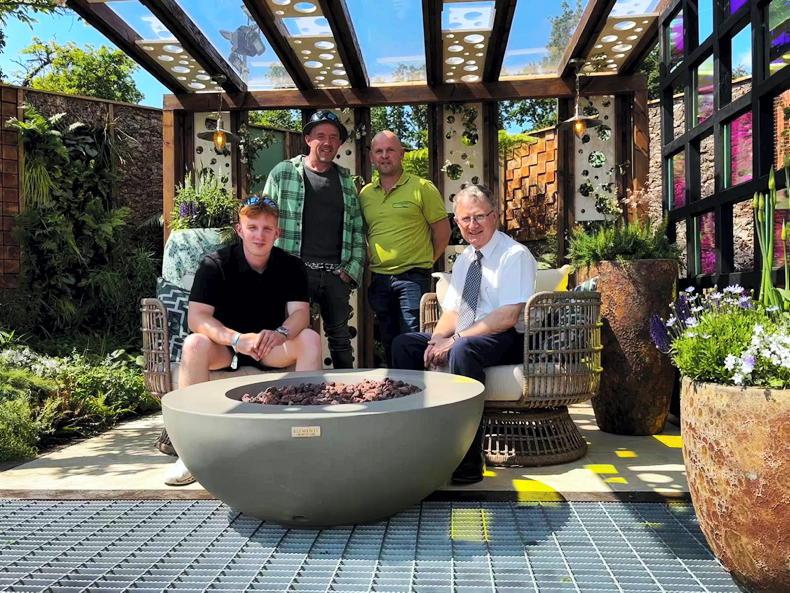
Anne-Marie says agricultural workers often develop “a strong work ethic, resilience, multitasking skills and the ability to respond to unexpected problems”.
She also highlights the “can-do attitude” that comes from working in an environment where problems have to be dealt with as they arise.
Teamwork is also key. “I remember one particular employer looking for students with either agricultural or sporting experience when recruiting because that person would understand teamwork and be accustomed to working as part of a team.”
In terms of growing your skillset, Anne-Marie’s final advice is to remain open to opportunities and experiences
“Enjoy it, don’t limit yourself, try new things,” she says. “Expand your horizons because you might not enjoy them all, but you will learn something from every interaction. That might mean travelling, working for a local farmer, gaining experience in another part of the sector or exploring an area that was not part of the original career plan.”
As Irish agriculture continues to evolve, the message is not that traditional skills are being replaced. Rather, the skillset is becoming broader.




SHARING OPTIONS