



That you may live in interesting times’ is an oft-quoted salutation of supposed Chinese origin that is more often a curse than a blessing.
However, it is one that has surely been on the lips of those involved in farm politics over the last three years.
Has there ever been a time when such profound and fundamental changes in farming and land-use policy have been under consideration at national level?
And the drivers of this change are coming at speed.
Farmers hardly had time to digest the EPA’s water quality review and its implications for the national derogation, before Teagasc launched its new MACC and set out how agriculture could potentially meet its carbon emissions ceilings.
This news was just fresh off the press when the Nature Restoration Law hit the headlines by scraping over the line in the European Parliament.
Feeding into the policy decisions that will flow from the above avalanche of announcements are the Food Vision consultations, both in the dairy and tillage sectors.
So where is this maelstrom of change heading, and which sectors and interest groups are likely to have most influence on policy?
These are the questions keeping The Dealer awake this week.
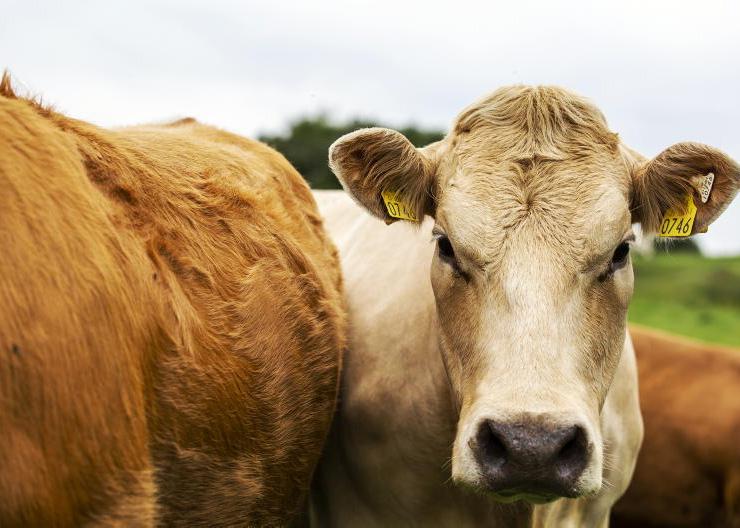
Teagasc’s MACC projections set out that it envisages a steady year-on-year decline in suckler cow numbers between now and 2030.
In fact, Teagasc’s MACC modelling foresees a 29% contraction in the suckler herd by the end of the decade as the most likely scenario.
Given this projection, it is hardly surprising that Minister for Agriculture Charlie McConalogue whipped the offer of a financially incentivised suckler cull scheme off the Food Vision beef group agenda once Meat Industry Ireland (MII) opposed the proposal.
However, with the MACC predicting an 8% increase in dairy cow numbers by 2030 – which equates to 125,000 head – will the option of a dairy cull scheme remain in place?
Rumours
Interestingly, The Dealer has heard rumours that Minister McConalogue is going into reverse with regard to the dairy cull proposal.
Maybe, as with the sucklers, he will get a dairy cow reduction anyway if the derogation is squeezed out.
Although 20% of milk suppliers in a recent Irish Farmers Journal survey said they would participate in a cull scheme, if offered, the deep reservations expressed by dairy processors appear to have dissuaded the minister.
The dairy processors and co-ops have pointed to the wider cost of such a dairy cull for the rural economy.
Ironically, The Dealer understands it was the milk processors who first mooted the idea of a dairy cow cull scheme in Food Vision dairy group talks. That was at a time when they were fearful that they didn’t have processing capacity for the growing milk pool.
The game has changed, with milk supplies down and milk price below the cost of production.
It will be interesting to see if Minister McConalogue sticks with the dairy cull proposal.


SHARING OPTIONS