




For many people across Ireland, Sunday evenings no longer feel like the calm close to a weekend. Instead, they mark the beginning of a familiar sense of dread – the racing thoughts, the anxiety about unread emails, mounting workloads, and the looming pressure of Monday morning.
Commonly known as the ‘Sunday Scaries’, the phenomenon has become an increasingly visible symptom of a workforce struggling under growing pressure and burnout.
New analysis from the neuromodulation company Nurosym, developed by Parasym, suggests that Ireland may be facing a deeper workplace wellbeing crisis than many realise.
The survey of 1,000 adults shows that 66% of people in Ireland say their jobs are too demanding, while more than half (56%) report regularly working overtime just to keep up with their workload. Rather than switching off at the end of the week, many workers carry that stress into the weekend, with anxiety often peaking late on Sunday afternoons.
Nurosym’s findings also show that 30% of adults in Ireland regularly experience sleep difficulties. Along with this, nearly one in four (24%) have taken mental health leave in the past two years.
Dr Elisabetta Burchi, head of research at Parasym and clinical psychiatrist, says, “The kind of weekly stress that the Sunday Scaries represent can lead to long-term health consequences that go beyond the psychological level.
"Prospective studies show that cumulative exposure to work-related stress significantly increases the risk of depression and anxiety disorders, and is also associated with cardiovascular disease, type 2 diabetes, hypertension, musculoskeletal pain, and metabolic syndrome.”
Overworked nation
While European comparative studies suggest that Ireland does not have the highest overall working hours in Europe, several structural factors may contribute to higher perceived workload pressure among many workers, according to Dr Burchi.
“These include the strong presence of knowledge-based sectors, which involve sustained cognitive demands and high levels of responsibility and decision-making, factors that have been associated with anticipatory stress, rumination, and sleep disruption.
“In addition, increasing digitalisation and the expansion of hybrid and remote working models may contribute to blurred boundaries between work and personal time, making it more difficult for some individuals to psychologically detach from work outside working hours.”
Elisabetta also attributes the housing affordability pressures in Ireland as an important factor, particularly for younger workers, with a growing proportion remaining in their parents’ homes longer than in previous generations.
“Broader economic pressures of this kind can indirectly increase perceived workload stress and reduce opportunities for recovery,” she explains.
According to Dr Burchi, research shows that sustained exposure to occupational stress is associated with increased risk of depression and anxiety disorders.

As well as that, it is associated with cardiovascular and metabolic conditions.
“Early warning signs can include persistent fatigue, difficulty switching off from work, disrupted sleep, irritability, reduced motivation and feeling overwhelmed by routine tasks.
“When these patterns occur regularly, particularly in anticipation of the working week, it is a signal that recovery needs to be prioritised, and additional support may be helpful,” she says.
Advice to employees
Experiencing anticipatory anxiety before the working week is very common, but that does not mean it should be considered something people simply have to accept.
“When disrupted sleep and persistent worry about the week ahead become routine, they are usually signals that recovery time has not been sufficient and that underlying sources of stress may need attention.
“Practical steps that could help include strengthening boundaries between work and personal time, reviewing workload expectations where possible, and reflecting on areas of engagement and autonomy at work, as well as the extent to which work feels sustainable and meaningful.
“Approaches that support physiological recovery, such as structured relaxation strategies, physical activity at moderate intensity and non-invasive neuromodulation techniques, may also support stress resilience when used as part of a broader wellbeing strategy.
“If these symptoms persist or begin to affect mood, sleep or functioning more significantly, it is important to consider discussing them with a healthcare professional.”
Reducing work-related stress
Employers can play an important role in reducing work-related stress primarily by promoting a workplace culture in which autonomy, engagement, psychological safety and recovery are recognised as essential for sustained performance.
“Measures such as protecting time away from work communications, supporting flexible working arrangements and improving access to mental health resources can further make an impact,” says Dr Burchi.
Companies in Ireland are actively reducing work-related stress by implementing structured risk assessments, offering employee assistance programmes (EAPs), and promoting flexible working arrangements to enhance work-life balance.
Key strategies include training managers to identify burnout, fostering psychological safety, and promoting ‘right to disconnect’ policies to manage digital workload.
Case study: Teagasc
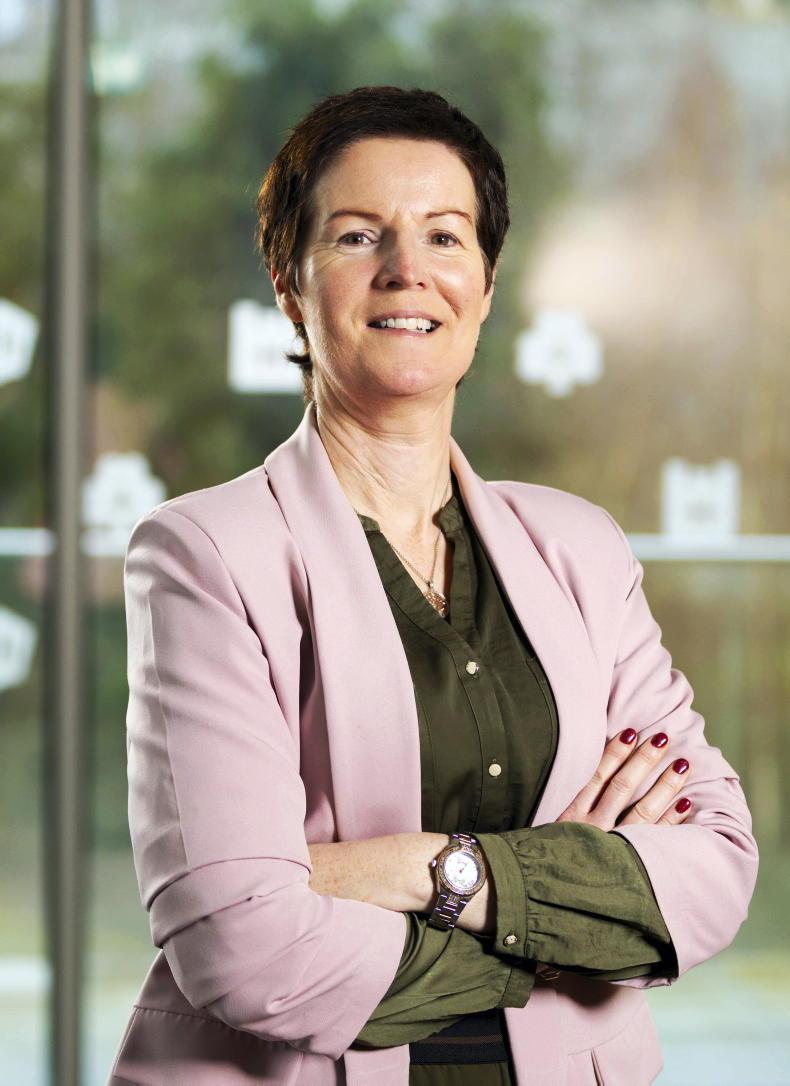
Valerie Farrell is head of human resources at Teagasc. As part of recent HR initiatives, Teagasc has been encouraging its staff to prioritise their health and wellbeing and to properly disconnect from work – acknowledging the fact that staff work hard to deliver for stakeholders and clients.
“As a non-commercial state agency in the agri food sector, we are used to working to tight deadlines and responding to emerging stakeholder demands. Staff put their shoulders to the wheel – Teagasc is a driven organisation where staff feel a strong purpose to make farming and food better,” says Valerie.
A recent Teagasc staff survey reported an average score of 7/10 when staff were asked if they feel they can balance work and personal life, and an average score of 6.4/10 to the statement that the organisation supports their wellbeing.
“As head of HR, I would like to see those scores higher,” Valerie says. “We need to appreciate that this may not always be realistic, particularly at busy times such as BISS, when we are leading on large events and around research funding calls.
“Our new ‘People Strategy’, due later this year, will include a stronger focus on staff wellbeing alongside an operational excellence programme to reduce administration and free up staff time for more technical work.”
Valerie welcomes the wellbeing initiatives already in place but says more can be done.
“While staff must be proactive about their own wellbeing, Teagasc has a responsibility to be more strategic to ensure work matches available resources and to invest in staff development so people can build flourishing careers here.
“Most staff reported positively in our recent survey that they can take advantage of opportunities to learn and enhance their skills. CPD and career growth play a big part in positive mental health and overall wellbeing,” she adds.
Measures introduced in Teagasc to support staff include:
These steps form part of a broader effort to balance high performance with care for staff wellbeing, as Teagasc implements its new People Strategy.



SHARING OPTIONS