



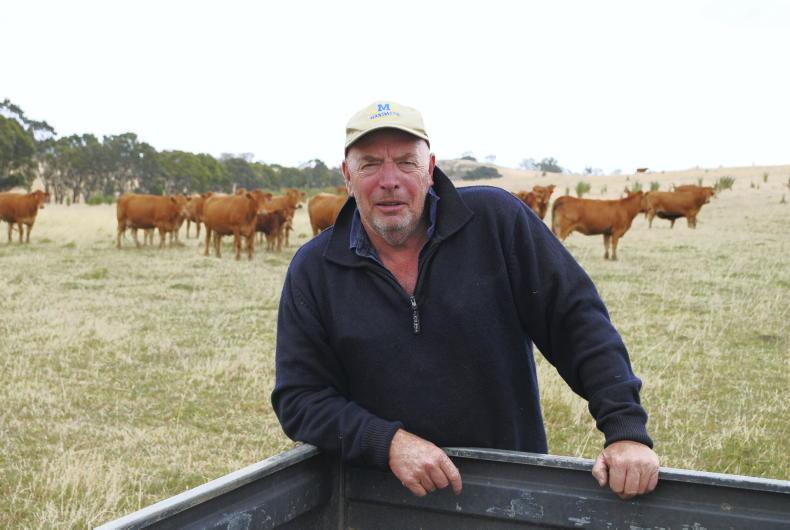
A 50-year legacy of breeding Limousin cattle has developed some of the best the breed has to offer in Australia, and an Irish man drove it all the way.
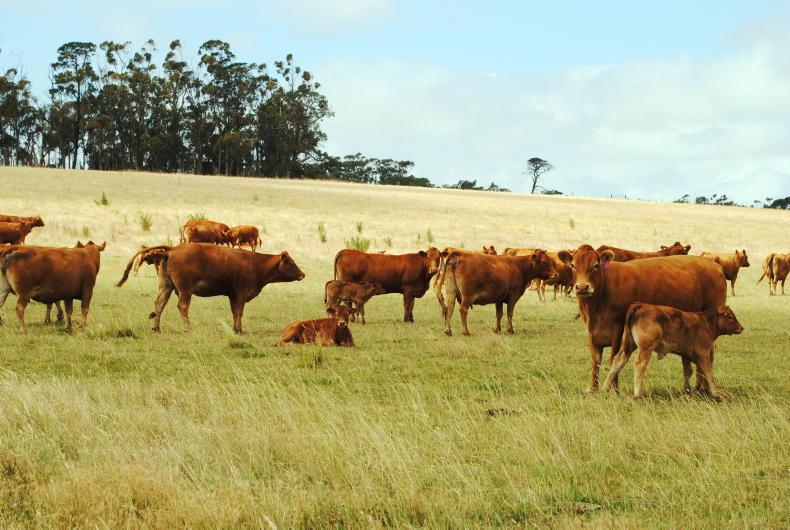
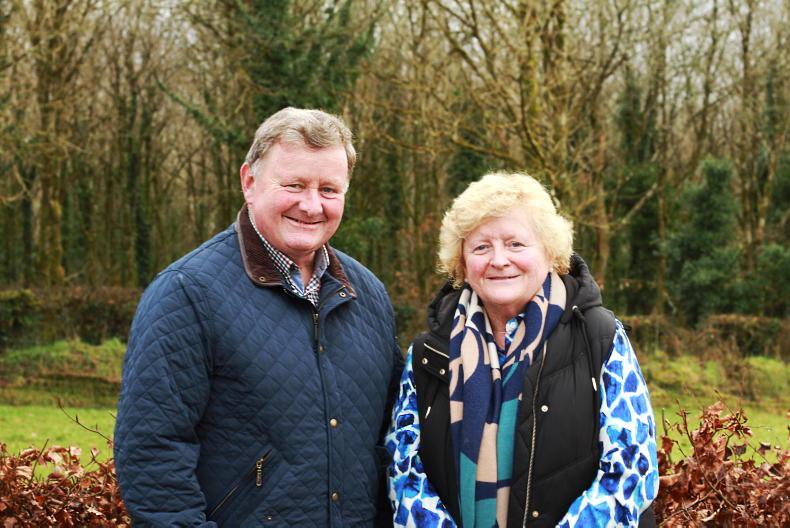
Paddy and Anne Neeson – and Paddy’s brother, Rod – run a herd of 420 Limousin cows at their property, Innisfáil, located at Nareen in Victoria’s western district, 370km west of Melbourne.
The farm is not far from a town called Coleraine, with Irish settlers long-associated with the area and its sweeping grasslands – so magnificent that the plains were donned ‘Australia Felix’ (Australia, the beautiful) when first explored by Europeans.
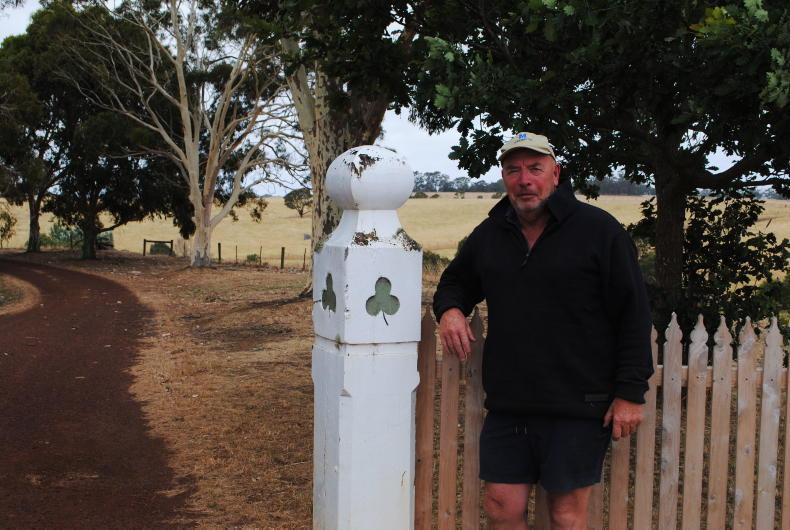
The Neesons are sixth-generation settlers, and if the name doesn't give away their Irish roots, the green shamrocks on two white pillars at the farm’s entrance surely do.
Paddy and Rod regularly top the iconic western district weanling sales in Hamilton each January, when thousands of the state’s top stock are snapped up by buyers from across the continent.
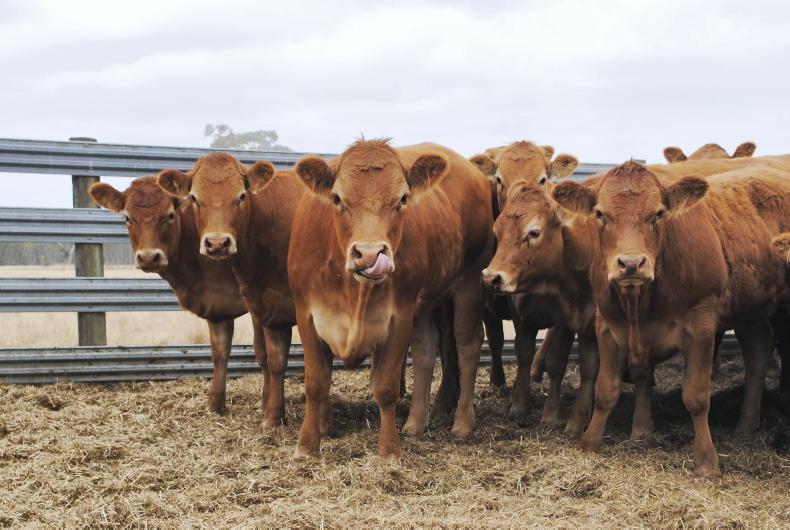
Their late father, Eawan Neeson, died in December last year, and was a man who spent much of his life breeding top Limousin cattle in a market glutted with black Angus.
Paddy said his father was “infatuated” with the Limousins right until the very end.
Eawan first started breeding them up from a herd of Shorthorns at Innisfáil in 1973. Ahead of his time, he imported Limousin straws from France, something few beef farmers were doing at the time.
“I don’t know how he got hold of the Limousins, but he would have done a lot of research,” Paddy said.
Anne highlighted that such a feat would have been hugely risky, due to the cost of importing the AI straws and the tedious task of AI-ing 30 Shorthorn cows, unsynchronised.
In March 1974, the first half Limousin calves hit the ground at Innisfáil, with the progeny crossed back to Limousin ever since, breeding up to the pure herd today.
Something different
Paddy said that while the Limousins were of outstanding quality from the off, cattle buyers didn’t initially know how to value them as they’d never seen stock like them before.
He remembers a buyer looking at some of their 500-600kg Limousin bullocks in the early days; they were unsure what the cattle would be like under the skin, so he encouraged Eawan to put them over the hooks.
“They yielded like hell, but they didn’t have the fat cover,” Paddy said.
Regardless of the little fat cover, he said the Limousin produces a lean carcase, with killout hitting and going beyond 60%.
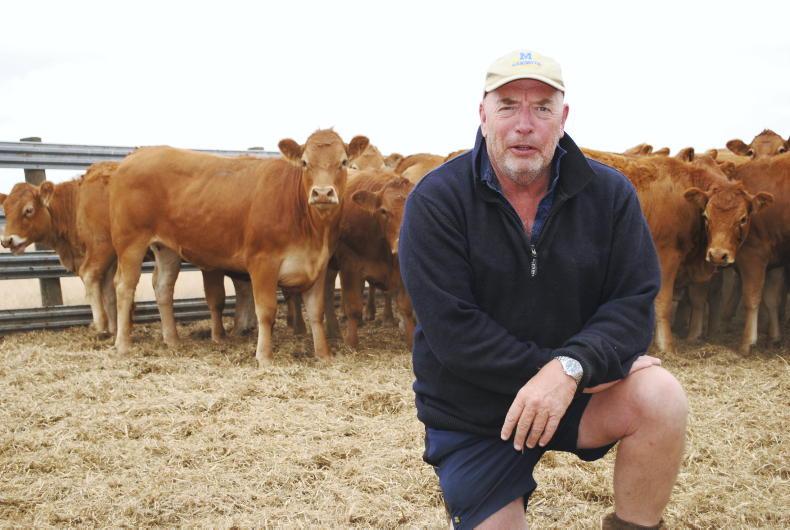
Today, the Neeson cattle have found a niche market amongst finishers and breeders alike, with several repeat customers jostling over them at the weanling sales each year.
In January, the Innisfáil weanlings sold to a top of €3.32/kg, or €1,448/head, for 26,437kg steers and, overall, the 115-head mixed-sex draft averaged €3.21/kg.
Cows calve mostly in March and April. About 45 heifers are retained for breeding each year and usually calve down at 24 months, depending on the season.
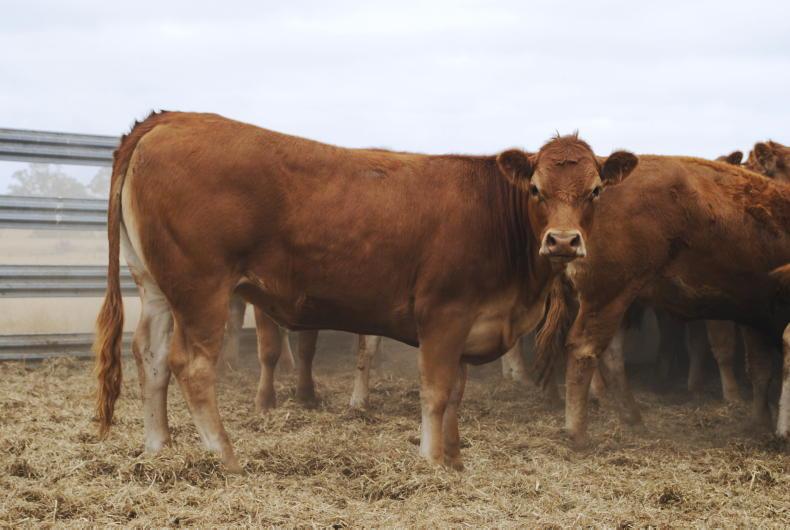
Paddy said the Limousin cows are medium-framed, with excellent maternal traits, and he rarely has to handle them.
As the breed is not as common in Australia as in other areas, finding top-quality bulls can be an issue.
“In those early days, it was really hard to secure Limousin bulls. There were no known studs, none high profile,” Paddy said.
The Neeson herd has always been commercial, and that ensured efficient cattle rose to the top.
Paddy said one of the major improvements in the breed has been its temperament.
“Over the last 25 years, Limousin breeders recognised there was a perception of bad behaviour. They’ve acted on that,” he said.
“We’re very, very strict on cattle and that’s one area where there is no mercy shown.”
Anne said this year’s weanling draft was the quietest they had ever sold.
“I’m pretty proud of the way we’ve calmed them all down,” Paddy said.
‘Apricot’ preference
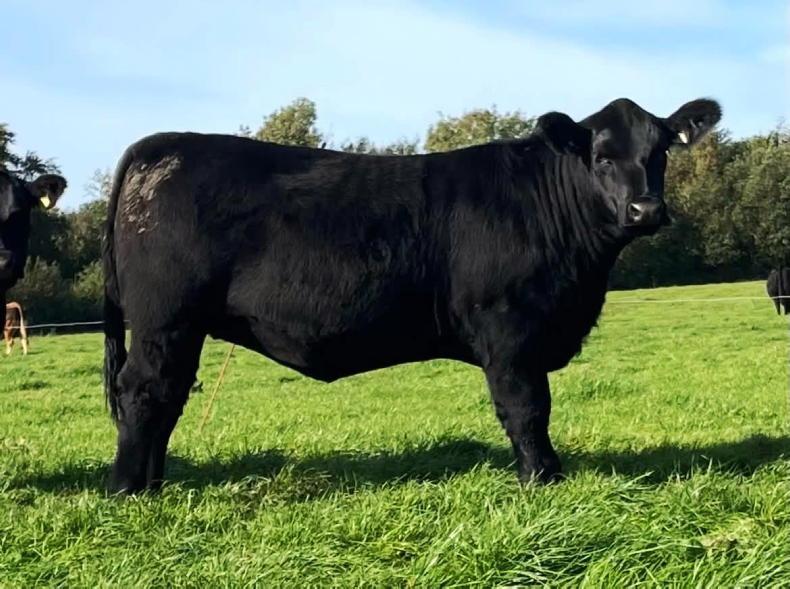
Despite pressure to breed Australia’s more-common Angus cattle, Paddy said he would “absolutely” stick with Limouins, and the apricot, not black, version of the breed at that.
“My father was emphatic about that... He said ‘our cattle are identified by their colour’,” Paddy explained.
He said he had a sense of pride knowing that his late father loved the apricot cattle, and that they are highly sought after.
The farmer said that, in some years, the weanling prices had “just gone off the scale”, 50-60c/kg ahead of other breeds.
“You get two or three buyers that just lock horns on them,” Paddy said.
“I love the cattle and we’ve been lucky that we’ve managed to find that niche market and, generally, you know that they’re going to do well.”



SHARING OPTIONS