A whopping 36.5m people, at the time of writing, have liked singer Taylor Swift’s engagement announcement to American footballer Travis Kelce.
It is many multiples of her usual posts, which regularly generate anything up to eight million views online, underlining the worldwide appeal the US singer has and the public’s love of a so-called ‘fairytale ending’ and a love for glam engagement news, with much more to come when the wedding rolls around.
Of course, that big diamond ring has been very much part and parcel of the public commentary. While history suggests engagement or betrothal rings go right back to the time of the Egyptians and Romans, they have evolved from ownership or commitment symbols to signs of devotion and eternal love.
The tradition of spending a month’s salary (or two or three months in some cases) on a diamond ring seems to be a much more modern phenomenon though. It is attributed to a De Beers marketing campaign in the US in the 1930s, which became embedded in popular culture, linking diamonds to engagement.
Elongated styles
Interestingly, that ‘traditional’ idea of spending a month’s salary on an engagement ring is something their customers are “broadly sticking to”, according to Heather O’Sullivan, who runs John Ross Jewellers in Tralee, with her cousin Sandrene Brassil. She describes the ring as an “expression of excitement” at a wonderful time in your life.
“Yes, 100% couples are still going for rings, and [the person proposing] would spend, on average, around €2,500 to €3,000,” comments Heather. She expects Taylor Swift’s unique “modified cushion-cut” ring to be influential, resulting in a rise in popularity in elongated styles which are very flattering.
Her sentiments are backed up by research last month showing that 41% of Irish people still support the idea of splashing a month’s salary on an engagement ring. Insurance broker Gallagher commissioned a nationwide survey of 1,000 adults, and while almost half go with the ‘one month rule,’ another 15% surveyed said a ring should cost three months’ salary.
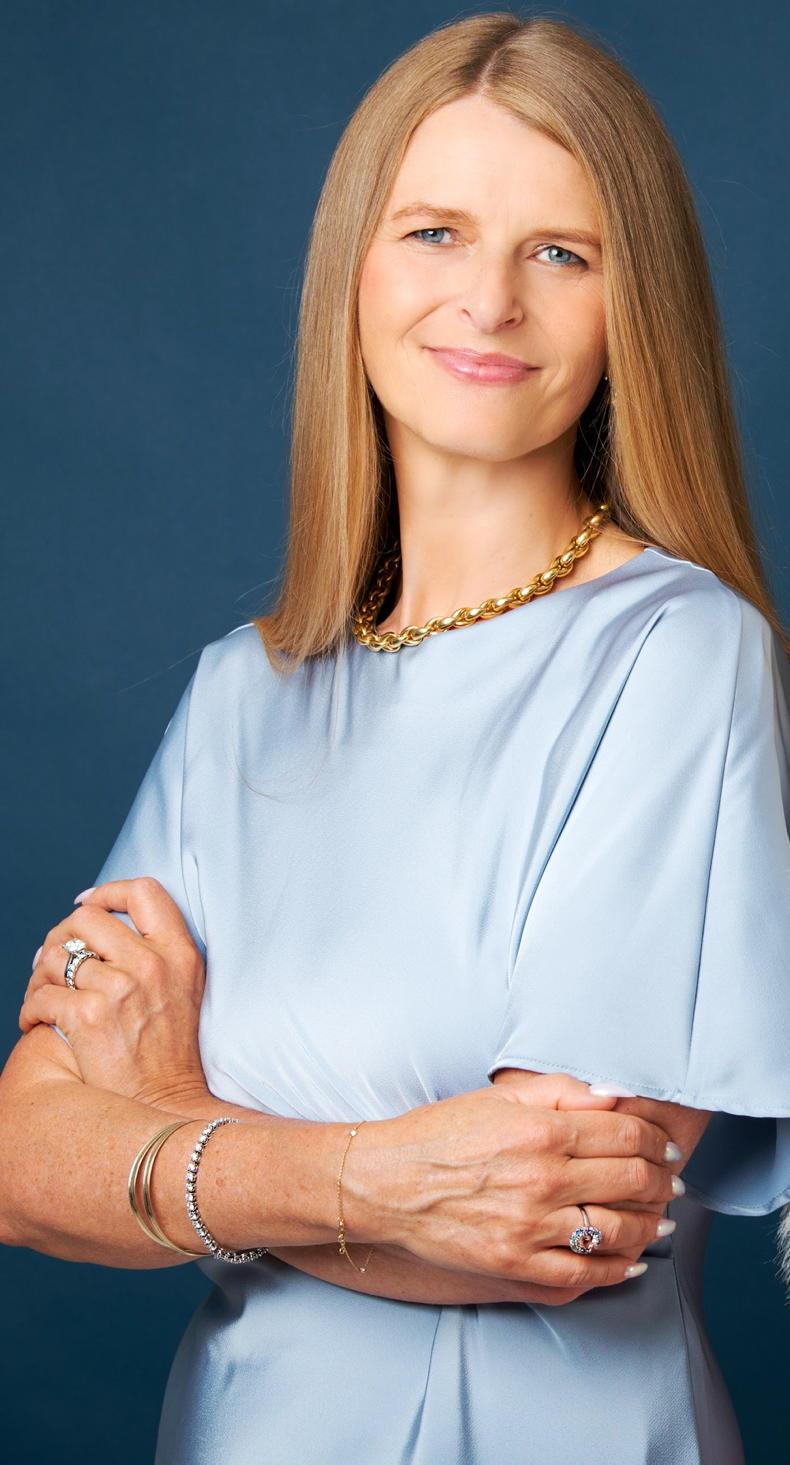
Heather O'Sullivan from John Ross Jewellers in Tralee, Co Kerry.
On the other side of the debate, one in five respondents reckoned that neither partner should shell out much at all, and 16% believed it should not be up to the proposer to foot the bill.
A guiding principle with engagement rings is to only buy what you can afford, advises jeweller Heather. “Everything is available at every price. The style will be available to everybody – price is not a barrier.
“Buy what you can afford because when you get married, you have your whole life to be buying lovely rings together,” she comments, saying that young people are under pressure trying to get housing, and there will be plenty of other anniversaries and occasions to come.
While diamonds still account for the “vast part” of their engagement ring market, Heather says lots of people also go for coloured stones which look fabulous and are good value for money, be it their birthstone or something like those adorned by the British Royals. Actress Emma Stone went for a pearl engagement ring, so anything goes.
Antique or heirloom
Jessica O’Sullivan, head of content with onefabday.com also expects the look of Taylor’s oversized ring to be popular, albeit without the ginormous price tag. That’s because people will be able to get the trend with less expensive lab-grown stones.
She predicts the elongated styles with their “clean aesthetic” – as well as Taylor’s idea of engraving the outside of the ring – “will be a huge trend” for couples.
However, she observes that the amount of money spent on an engagement ring is not as important as it used to be because times and weddings have changed.
“The spend is just not as relevant as finding something unique, and I think that is a very Generation Z thing,” she comments. “When you look at couples in their late 20s and early 30s, they are all about authenticity and standing out; they are into preloved and vintage, so that’s become way more important than the price tag. Sometimes that comes with a price tag, obviously, if you are getting a beautiful bespoke ring with a large diamond.
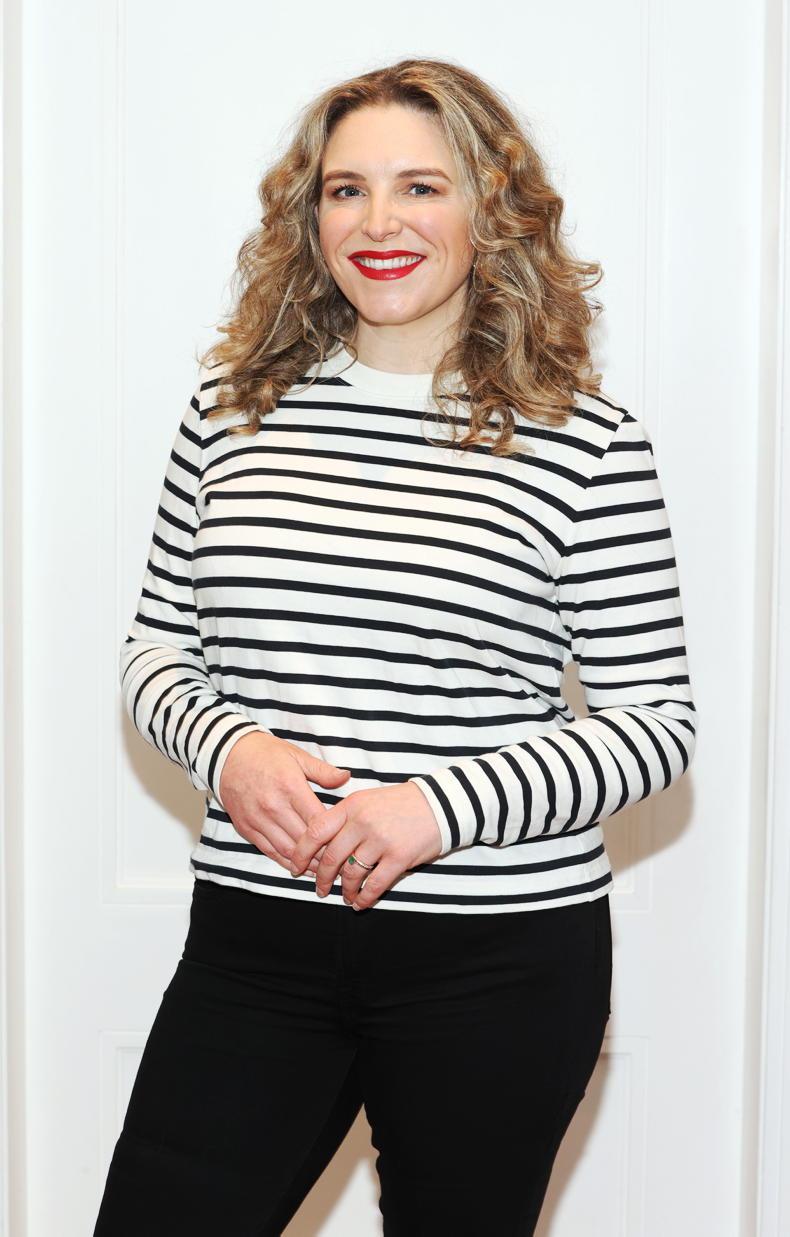
Jessica O' Sullivan, head of content at One Fab Day. / Brian McEvoy
Others are opting for an antique or heirloom ring or an alternative stone, creating their own ring, or not buying one at all, she adds.
“Many of the younger generation are living together before they get married, so all of the purchases are joint decisions, and the idea of three months’ salary going missing will not work for them,” she says.
“I think more couples tend to come to this decision together, so the pressure on somebody to multiply three months’ salary is quite old-fashioned,” she adds. Engagement watches or other tokens are also growing in popularity.
“Lots of couples are going to metalworking workshops to make their wedding bands or engagement rings, so it’s become this immersive experiential thing,” she points out, saying younger people want to enjoy their money and come away with a unique piece and memory.
A whopping 36.5m people, at the time of writing, have liked singer Taylor Swift’s engagement announcement to American footballer Travis Kelce.
It is many multiples of her usual posts, which regularly generate anything up to eight million views online, underlining the worldwide appeal the US singer has and the public’s love of a so-called ‘fairytale ending’ and a love for glam engagement news, with much more to come when the wedding rolls around.
Of course, that big diamond ring has been very much part and parcel of the public commentary. While history suggests engagement or betrothal rings go right back to the time of the Egyptians and Romans, they have evolved from ownership or commitment symbols to signs of devotion and eternal love.
The tradition of spending a month’s salary (or two or three months in some cases) on a diamond ring seems to be a much more modern phenomenon though. It is attributed to a De Beers marketing campaign in the US in the 1930s, which became embedded in popular culture, linking diamonds to engagement.
Elongated styles
Interestingly, that ‘traditional’ idea of spending a month’s salary on an engagement ring is something their customers are “broadly sticking to”, according to Heather O’Sullivan, who runs John Ross Jewellers in Tralee, with her cousin Sandrene Brassil. She describes the ring as an “expression of excitement” at a wonderful time in your life.
“Yes, 100% couples are still going for rings, and [the person proposing] would spend, on average, around €2,500 to €3,000,” comments Heather. She expects Taylor Swift’s unique “modified cushion-cut” ring to be influential, resulting in a rise in popularity in elongated styles which are very flattering.
Her sentiments are backed up by research last month showing that 41% of Irish people still support the idea of splashing a month’s salary on an engagement ring. Insurance broker Gallagher commissioned a nationwide survey of 1,000 adults, and while almost half go with the ‘one month rule,’ another 15% surveyed said a ring should cost three months’ salary.
Heather O'Sullivan from John Ross Jewellers in Tralee, Co Kerry.
On the other side of the debate, one in five respondents reckoned that neither partner should shell out much at all, and 16% believed it should not be up to the proposer to foot the bill.
A guiding principle with engagement rings is to only buy what you can afford, advises jeweller Heather. “Everything is available at every price. The style will be available to everybody – price is not a barrier.
“Buy what you can afford because when you get married, you have your whole life to be buying lovely rings together,” she comments, saying that young people are under pressure trying to get housing, and there will be plenty of other anniversaries and occasions to come.
While diamonds still account for the “vast part” of their engagement ring market, Heather says lots of people also go for coloured stones which look fabulous and are good value for money, be it their birthstone or something like those adorned by the British Royals. Actress Emma Stone went for a pearl engagement ring, so anything goes.
Antique or heirloom
Jessica O’Sullivan, head of content with onefabday.com also expects the look of Taylor’s oversized ring to be popular, albeit without the ginormous price tag. That’s because people will be able to get the trend with less expensive lab-grown stones.
She predicts the elongated styles with their “clean aesthetic” – as well as Taylor’s idea of engraving the outside of the ring – “will be a huge trend” for couples.
However, she observes that the amount of money spent on an engagement ring is not as important as it used to be because times and weddings have changed.
“The spend is just not as relevant as finding something unique, and I think that is a very Generation Z thing,” she comments. “When you look at couples in their late 20s and early 30s, they are all about authenticity and standing out; they are into preloved and vintage, so that’s become way more important than the price tag. Sometimes that comes with a price tag, obviously, if you are getting a beautiful bespoke ring with a large diamond.
Jessica O' Sullivan, head of content at One Fab Day. / Brian McEvoy
Others are opting for an antique or heirloom ring or an alternative stone, creating their own ring, or not buying one at all, she adds.
“Many of the younger generation are living together before they get married, so all of the purchases are joint decisions, and the idea of three months’ salary going missing will not work for them,” she says.
“I think more couples tend to come to this decision together, so the pressure on somebody to multiply three months’ salary is quite old-fashioned,” she adds. Engagement watches or other tokens are also growing in popularity.
“Lots of couples are going to metalworking workshops to make their wedding bands or engagement rings, so it’s become this immersive experiential thing,” she points out, saying younger people want to enjoy their money and come away with a unique piece and memory.





SHARING OPTIONS