


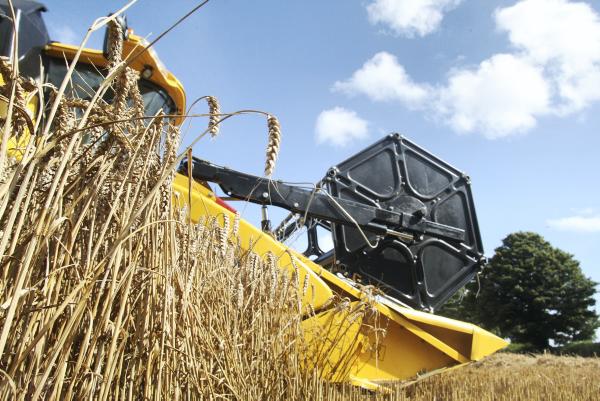
According to a report from Bloomberg, the American-based seed company Monsanto is believed to have been in talks with its Swiss rival Syngenta about a possible takeover, but the deal appears to have fallen through.
Advisers for Monsanto, the world’s largest seed company with a turnover of €14.9bn last year, had held preliminary talks with Syngenta about a deal between the two companies over the last number of months.
The proposed deal, which valued Syngenta at more than $40bn, fell through after Syngenta management decided to cease negotiations.
From Monsanto’s point of view, the thinking behind such a deal is relatively straight forward. Not only would the buyout have made Monsanto by far the largest seed and chemical company in the world, but it would also have allowed the Missouri-based company to move its headquarters to Switzerland, where it would be able to enjoy the benefits of a far lower corporate tax rate.
According to estimates, the deal could cut Monsanto’s tax rate by almost half, to 15%, and generate savings of $400m a year.
Shares in Syngenta jumped by as much as 7% in early trading on Tuesday on the back of the news and closed at €284.24 a share, 5.7% higher.
The seed and chemical markets are already highly concentrated, with the “big six” companies controlling 70% of the global seed market and 90% of the agro-chemical market.
Monsanto currently controls 30% of the global seed market and 10% of the global agro-chemical market, while Syngenta holds 9.3% of the seed market and 24.3% of the chemical market.
Had Monsanto completed the acquisition of Syngenta it would have created a company so great in scale that it would have been completely dominant in both the seed and chemical markets. Monsanto, that declined to comment on the report, also released third quarter results yesterday.
Revenue for the first nine months of the fiscal year increased by 4.5% to $13.2bn, while net income was up 6% to $2.9bn.



SHARING OPTIONS