


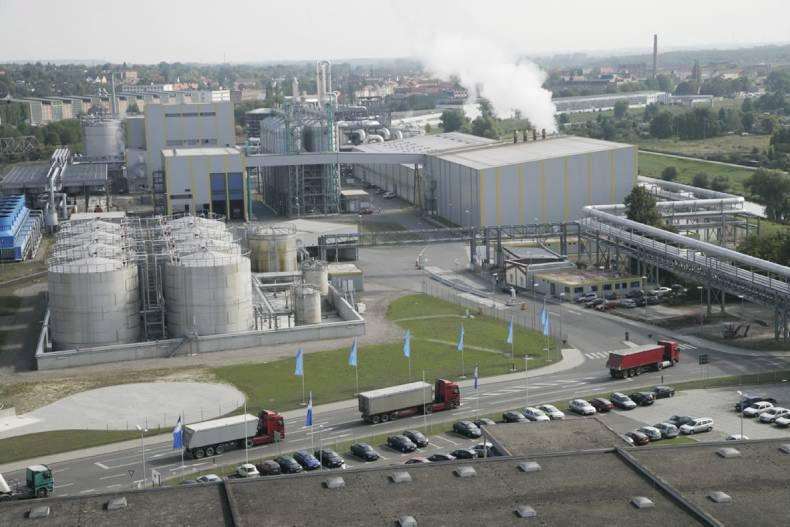
Suedsucker, Europe’s largest sugar refiner, has reported revenues of €1.6bn for the first quarter of its financial year, a decline of 8% compared with the same period last year. Operating profit declined by more than 40% to €57m due to the weakness of global sugar markets at present while net profit declined by almost half to €41m.
The drop in earnings was primarily driven by the year-over-year decline in quota sugar sales revenues, which have now stabilized at a very low level.
Based in Mannheim in Germany, Suedzucker operates from 30 factories and three refiners across Europe with an annual production of around 4.7 million tonnes. The group’s largest shareholder is a holding company on behalf of German sugar beet farmers with a 56% stake in the business.
By segment
Reduced volumes coupled with weak prices for sugar exports as world market prices retreated resulted in the group’s sugar division recording an operating loss of €13m, compared with a €45m profit the previous year.
The loss was offset by a strong performance from the group’s crop energies division. Manufacturing bioethanol for the fuel sector as well as animal feed, the division recorded an operating profit of €14m – almost treble the €5m it made the previous year.
Suedsucker’s special products division, which produces ingredients, frozen foods and starch products, also performed strongly. Revenues for the division were relatively steady (+2.6%) at €445m but operating profit increased sharply by more than half to €37m thanks to lower raw material costs.
In spite of a 2% increase in revenues to €291m, Suedzucker’s fruit division reported an 11% fall in earnings to €19m due to higher procurement costs due to the weakness of the euro against the US dollar.
Outlook
In its outlook for the remainder of the year, Suedzucker said it expects a significant decline in the group’s operating profit, somewhere in the region of €50m and €150m, as a result of the continued declining profitability of its sugar division.
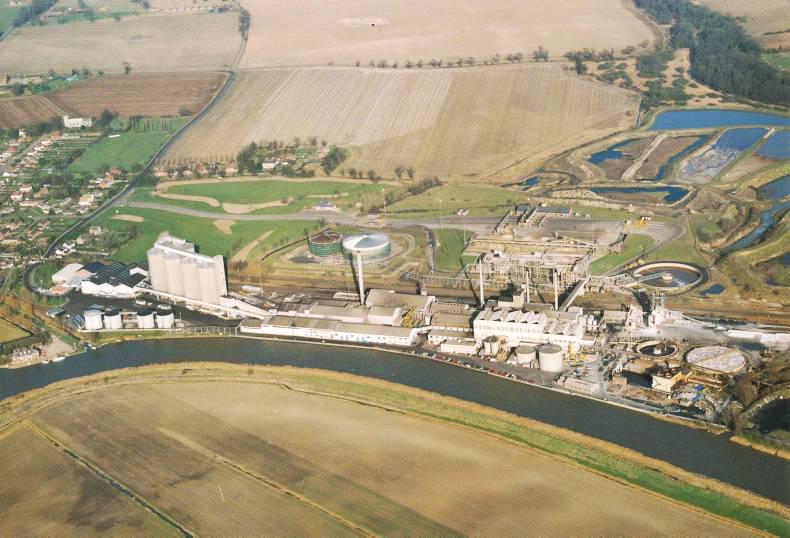
Suedzucker’s negative outlook for its sugar division contrasts with that of its British rival ABF, which announced a more positive outlook for its sugar division in a trading statement this week. It stated that sugar prices in the EU are showing signs of recovery as a result of reduced quota stocks of the sugar across Europe, which would lead to improved profitability in its sugar division.




SHARING OPTIONS