



In a trading update released this week, ABF announced that group revenue for the nine months to the end of June 2015 was 2% ahead of the same period last year on a constant currency basis.
In real currency terms, revenues are said to be in line with last year despite the weakening of the euro and the strengthening of the US dollar and sterling against a “basket of currencies.”
The group said that if currency rates persist, it expects the full year impact to be close to £25m. ABF restated its earnings guidance of a “modest decline” in adjusted EPS for the full year.
Sugar
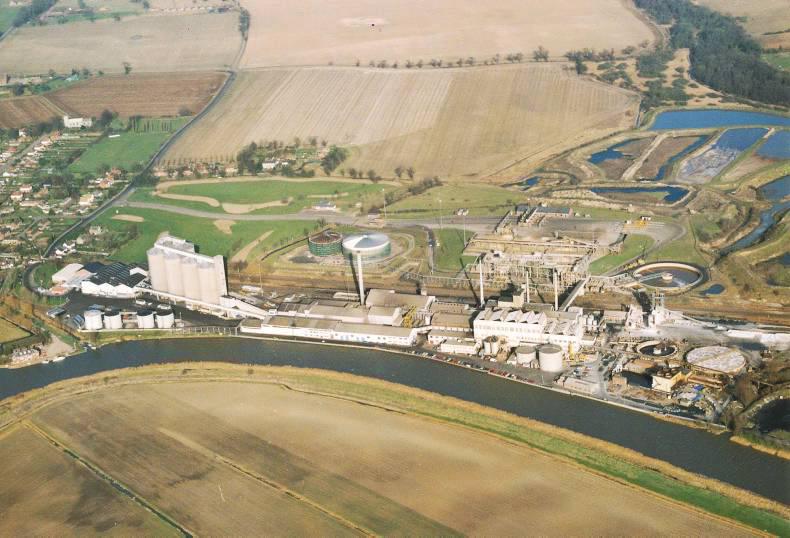
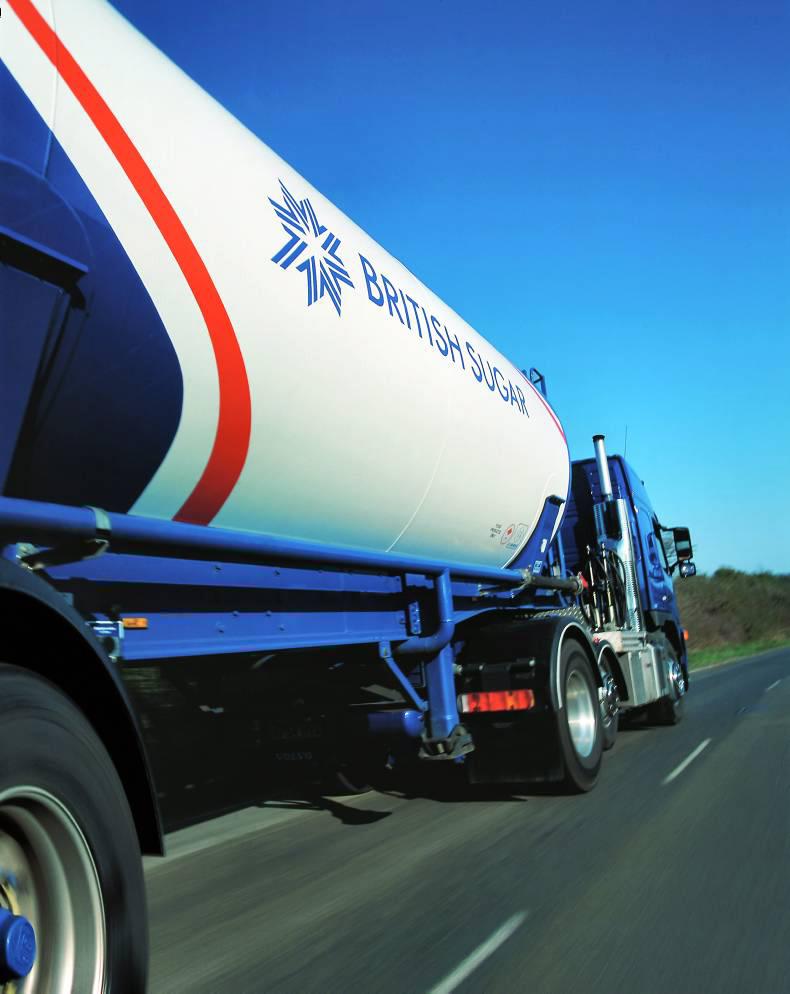
ABF, which is one of the world’s largest sugar producers, said that sugar prices in the EU are showing signs of recovery as a result of reduced quota stocks of the sweetener across Europe.
EU sugar prices have been in steady decline for the past 18 months as a result of weak world market prices and the looming end to sugar production quotas in 2017.
In the group’s key UK market, ABF added that its own quota stocks will be reduced after a 20% decline in the area of sugar beet plantings for the 2015/16 year. Sugar production in the UK is estimated close to 1 million tonnes, a significant decline from the 1.45 million tonnes produced last season.
Outside of Europe, ABF said it expects a decline in operating profit from its South African-based subsidiary, Illovo, thanks to very challenging export markets and a continuing drought in South Africa that has led to a reduction in stocks.
ABF holds a 51.4% controlling stake in Illovo, which is the largest sugar producer in Africa.
ABF did state that market prices for sugar have recovered in China, improving the profitability of the group’s operations there as a result.
Bioethanol
In 2007, ABF entered into a joint venture with British Petroleum (BP) and DuPont to form Vivergo Fuels, a bioethanol plant situated in the north-east of England. In May this year, the group increased its stake in Vivergo to 94% after it completed the acquisition of BP’s 47% stake in the business.
ABF noted that the business is likely to run at a loss in the short term as the bioethanol market in Europe is currently very weak. However, as the EU market heads from a surplus towards a deficit in the coming years, ABF is forecasting an improvement in prices for bio-ethanol.
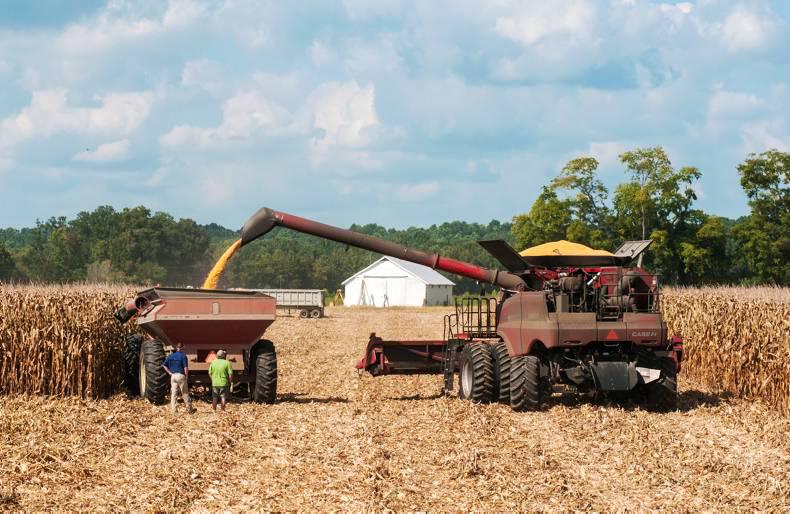
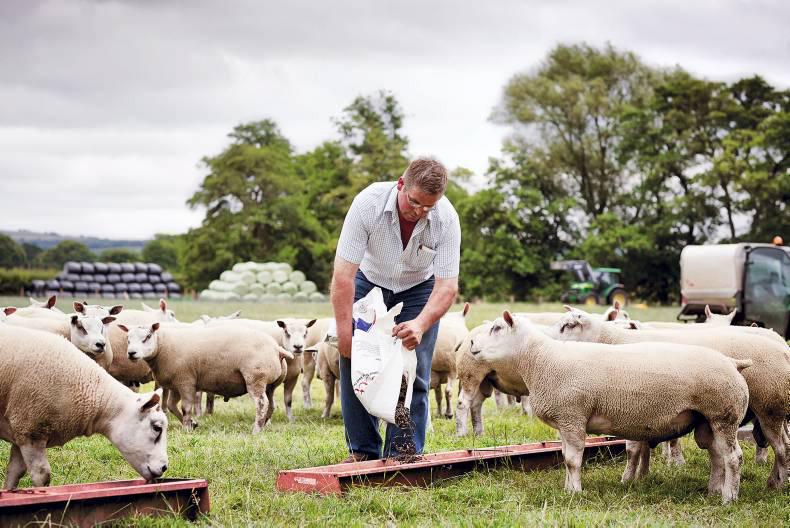
The bioethanol facility is complimentary to ABF’s agri division with subsidiary businesses Frontier Agri and AB Connect supplying grain to Vivergo. ABF added that its agri division as a whole was maintaining the strong momentum from last year.
The group’s grocery division is said to be performing in line with last year thanks to a significantly improved performance from its Australian meat business and increased volumes from its bakery business, although margins remain under pressure.
ABF’s most important division is its retail arm, under which it operates the Primark chain, contributing 38% of revenue and 55% of operating profit. Sales are said to be 13% ahead of last year in constant currency terms with new store openings in Italy and the US expected next year.




SHARING OPTIONS