



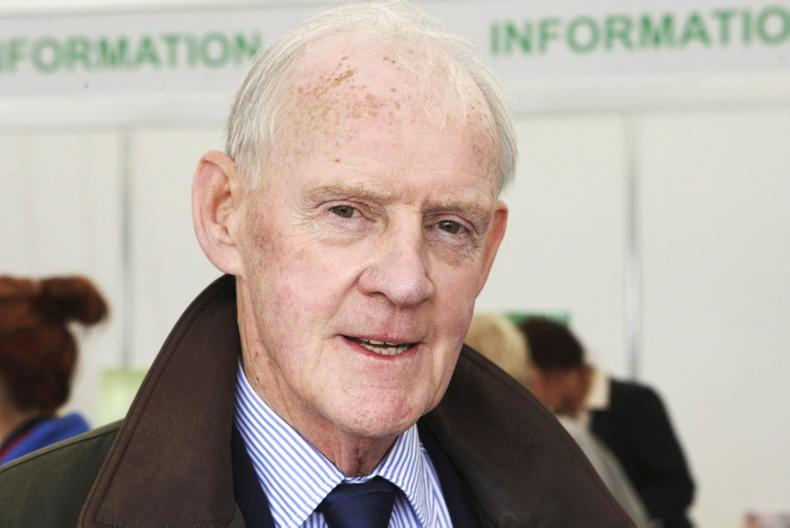
The first part of the much anticipated Goodman: Too big to fail aired this week.
It featured footage and recollections from people in the industry and politicians who were around during the first phase of Larry Goodman’s domination of the Irish beef industry.
How the business operated was explored and where it was found to have crossed the line was highlighted.
For people seeing this for the first time, there may be an element of shock, but as the old film and newspaper reports show, it was well reported at the time.
The historical relationship between church and State is now widely understood, but the first part of this programme showed that business and politics were also closely intertwined during this era.
No doubt this will be explored further in the second part next week.
Cliff hanger
The programme also succeeded in creating the cliff hanger for part two. It finishes with the start of the first gulf war, the issue which brought the Goodman financial problems to a head and provides the title 'too big to fail', such was its position in the Irish beef industry at that time.
What will also be interesting for people who have watched the expansion of his business interests in more recent times is just how accessible Larry Goodman was to the media during the era covered by the first of the two-part series.
Overall, the show gives an overview of how Larry Goodman originally grew a successful beef processing business at a time when many failed. It also brings together voices from people who have written and spoken about the issue previously and others that viewers from outside the industry would be less familiar with.
Anyone who watched this week’s episode will tune in again next week for part two to hear about the second coming of Larry Goodman and to see if there are any new revelations not previously in the public domain.
The programme didn't feature any contribution from Larry Goodman or his representatives, which means his side of the story went untold. The credits at the end stated that he was invited to participate, but declined to do so.



SHARING OPTIONS