



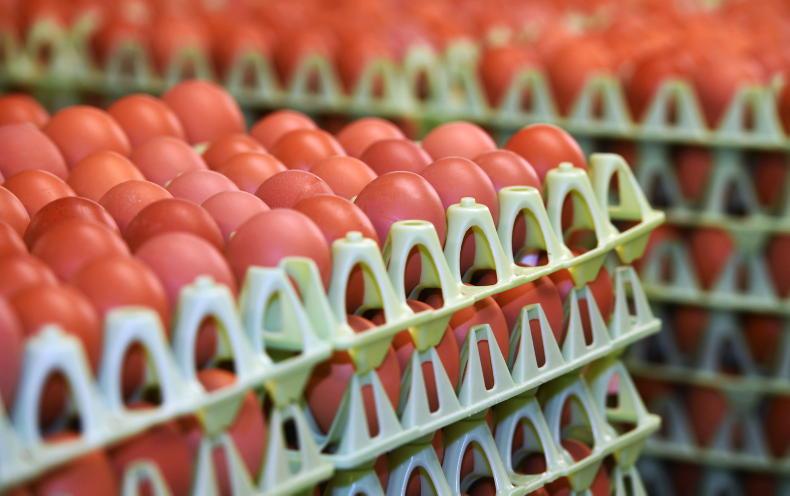
Global production of meat has increased from 71m tonnes in 1961 to 361m tonnes in 2022, a five-fold increase over six decades. Milk production has increased from 342m tonnes to 930m tonnes over the same period while the supply of eggs has increased from 15m tonnes to 94m tonnes.
These are the findings of a report by the Food and Agriculture Organisation (FAO) of the United Nations (UN).
Most of the increase in meat production occurred with the expansion of chicken and pork production. In 1961, 7.5m tonnes of poultry meat was produced globally, by 2022 this had increased to 128.3m tonnes.
The next largest growth category was in pig meat which increased from 24.7m tonnes in 1961 to 123m tonnes in 2022m tonnes while beef production has increased from 27.6m tonnes to 66.1m tonnes and sheepmeat production has increased from just under 5m tonnes to 11.1m tonnes.
Distribution
The report also analyses global distribution of production and trade. While Asia is the largest producer, it has relatively low availability of product per person compared with Europe and North America where per capita supply is highest.
One of the problems, particularly in poorer African and Asian countries is the loss of food through waste. FAO estimate that up to a third of all production is lost or wasted due to perishability and distribution issues.
In their foreword, FAO deputy director-general Godfrey Magwenzi and FAO chief economist Máximo Torero noted that “many breeds and species of livestock on our planet can thrive in a wide range of environments, particularly in areas less suited or unsuitable for crop production, and contribute to a wide variety of healthy diets”.
They also highlighted that “to optimise this contribution to human and planetary health, the livestock sector must address a range of challenges”.
These include: environmental pressures (such as deforestation); land-use change; greenhouse gas emissions, unsustainable use of land and water, pollution and competition between food and feed.





SHARING OPTIONS