



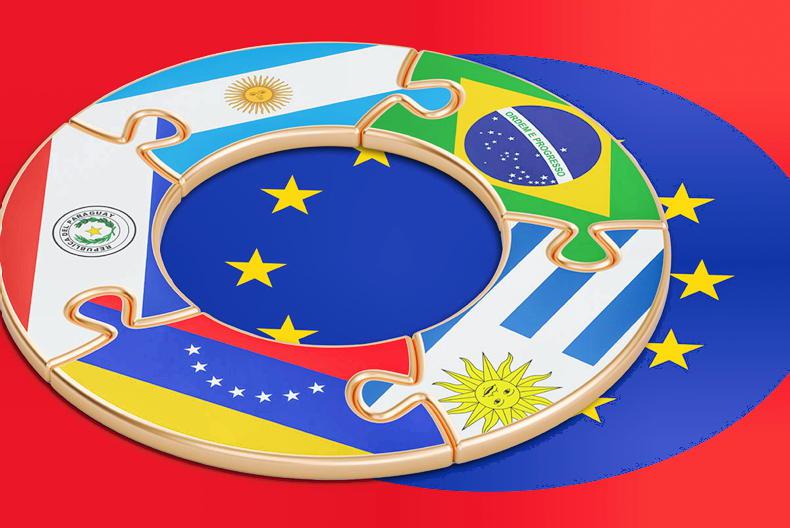
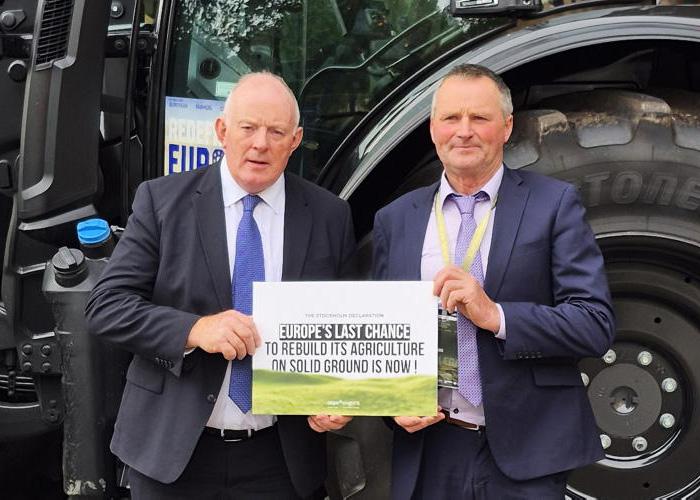
Copa-Cogeca, the umbrella group for farm organisations and co-ops in the EU, held a technical briefing on the Mercosur trade deal on Thursday afternoon in Brussels.
Media and MEPs were the prime target, plus anyone who might influence the ratification process.
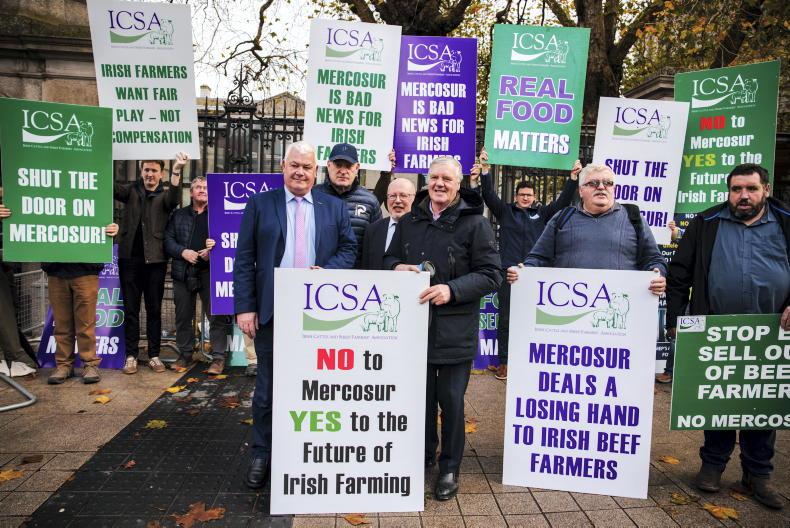
Irish farmers are well aware of the issues in relation to beef and poultry, but Mercosur will also have negative consequences for sugar, maize, ethanol, honey and rice.
Most of the issues have been tabled before, but particular focus was placed on how the 99,000t beef quota was much more significant than its 1.5% of EU production.
This is referring to the fact that the main import from Mercosur is steak meat and this quota represents a much more significant percentage of the EU steak meat market.
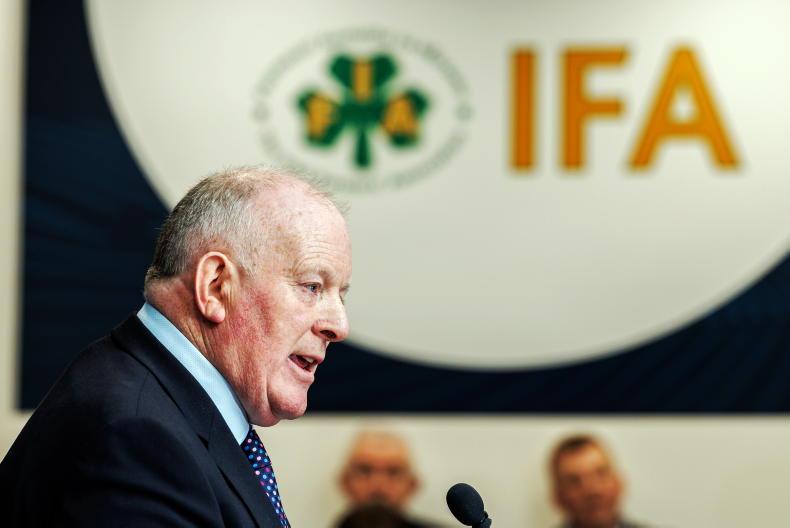
The contribution from vice-chair of Copa-Cogeca working party on beef Jerzy Wierzbicki also highlighted the inadequacy of the safeguard clauses that were announced at the beginning of September. He said that mirror clauses - not the proposed safeguards - are what is needed.
Other deals
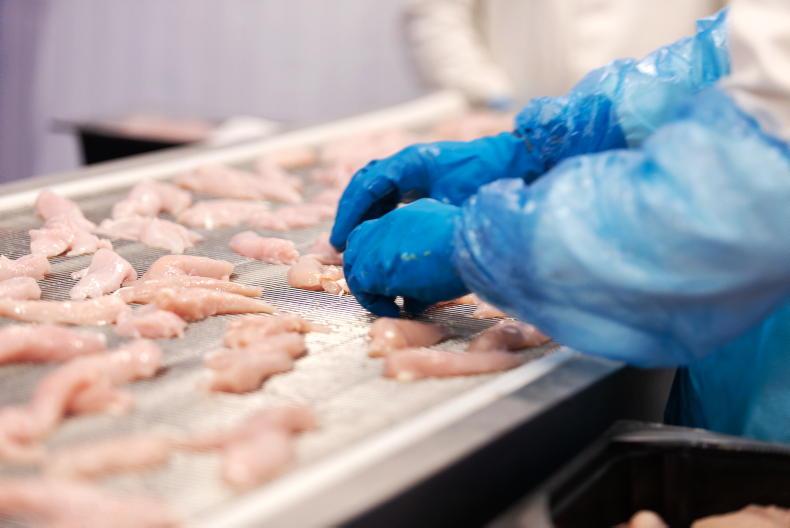
On poultry meat, deputy secretary general of the poultry trade organisation AVEC Paul Henri Lava highlighted how the phasing in nature of the deal meant that the 10% additional import volume could only happen on one year.
He also emphasised that it wasn’t just the Mercosur deal that had to be considered.
It is intended that at some future point, Ukraine will become an EU member and it is a major exporter of poultry meat.
With beef, negotiations with Australia are at an advanced stage and, if that deal is concluded, it will also include a significant beef quota.
Varying standards
Having heard from the sectoral interests, the second half of the briefing concentrated on climate and environment, animal welfare, labour standards and farmer livelihoods.
In all of these categories, the contributors highlighted how much more demanding the standards for EU producers are than in the Mercosur countries.


SHARING OPTIONS