



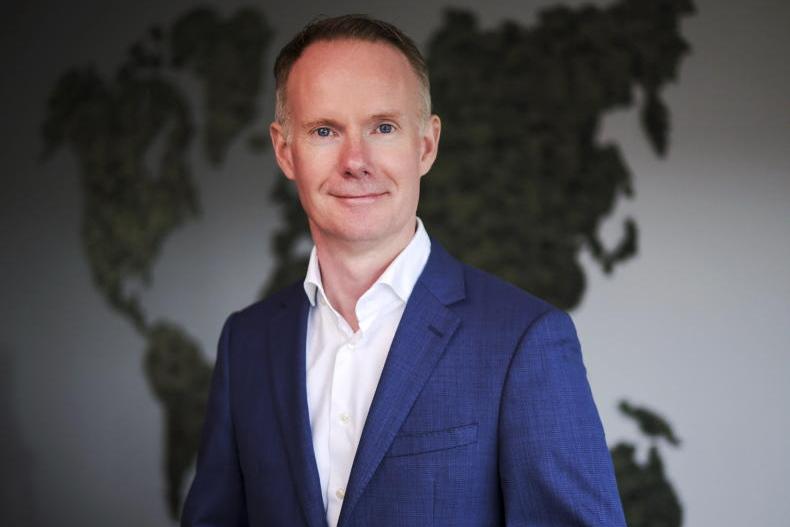
“Focusing on price alone may deliver short-term volume, but it can destroy long-term value,” Ornua CEO Conor Galvin has warned, adding that “it turns a differentiated product into a commodity, rather than continuing to build on its distinctive attributes through innovation, quality and long-term investment”.
Addressing the annual Agricultural Science Association (ASA) conference in Kildare on Thursday 3 September, Galvin strongly defended Ornua’s track record on returning value to Irish farmers.
“Today, we add 2c/l to every litre of milk that comes through our door.”
He said that those returns were not guaranteed in future, as the Irish grass-fed brand faces risks.
“If we weaken or move away from our accredited grass-fed system, we risk higher farmgate costs, lower market returns and a drift towards commodity positioning. That is a hard road to reverse.”
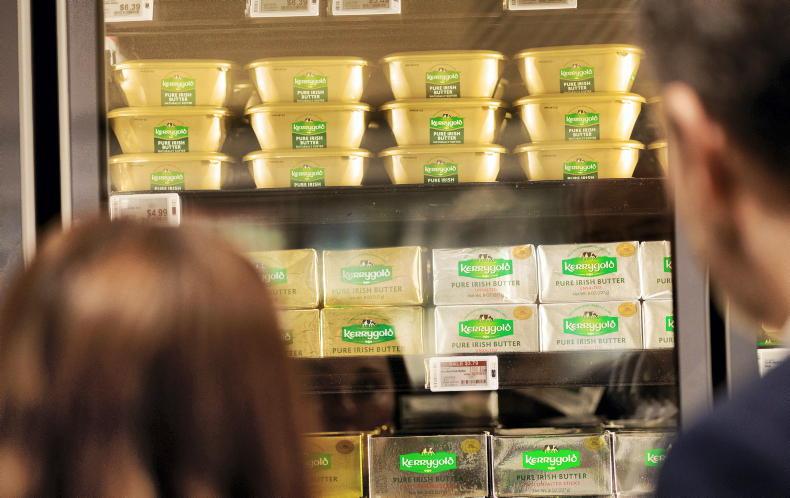
He emphasised throughout his speech the importance of protecting Kerrygold brand as a driver of returns to Irish farmers.
“Ireland has the grass, the farming heritage, the co-operative structure, the processing expertise, the Kerrygold brand, trusted customer partnerships and, above all, the credibility of family farms behind us. Few countries can bring those strengths together as powerfully as Ireland can.
“But strength only becomes advantage when we protect it. That responsibility belongs to all of us.”
Tirlán
While Galvin made no direct mention of Tirlán’s move into the US private-label butter market, his comments suggest that he sees the development as a risk to the premium enjoyed by the Kerrygold brand in the US.
Speaking to the Irish Farmers Journal following Galvin’s address, Minister for Agriculture Martin Heydon said that while he doesn’t get involved in individual deals, the role of his Department is to maximise the value that is delivered back to farmers.
“Everything you hear me talking about is about creating higher value,” the Minister said.
“It’s not about placing Irish farm produce on commodity markets, about taking a lower price.”
He noted that Irish food exports hit a fresh high in 2025 and that was driven by increased value, rather than a growth in volume.
“We continue to encourage everybody to continue to chase that additional value.”



SHARING OPTIONS