


From 1 January every employee in Ireland aged between 23 and 60 will have to be in a pension. While this is an issue for every employer, it will probably be hardest felt on small farm operations where the number of people employed are generally in the low single figures.
The new auto-enrolment scheme is very simple to use, and every employer who does not offer a company pension plan should have already signed up for it at myfuturefund.ie/employer. The costs to the employer are relatively small in year one, amounting to 1.5% of annual salary, but the rise to 6% by year 10.
Taking the average salary offered for full-time diary workers at approximately €34,000, we can see that the cost to the employer in the first year amounts to €510, rising to €2,040 by year ten (see Table 1).
As the employee will also be making contributions, their take-home pay for day-to-day expenses will be reduced, which could in turn lead to increased pay demands for employees, which could have the effect of putting the entire cost of pension contributions effectively on the farmer employer.
It is worth noting that seasonal employees are also subject to the pension contributions once they earn more than €5,000 in a 13-week period.
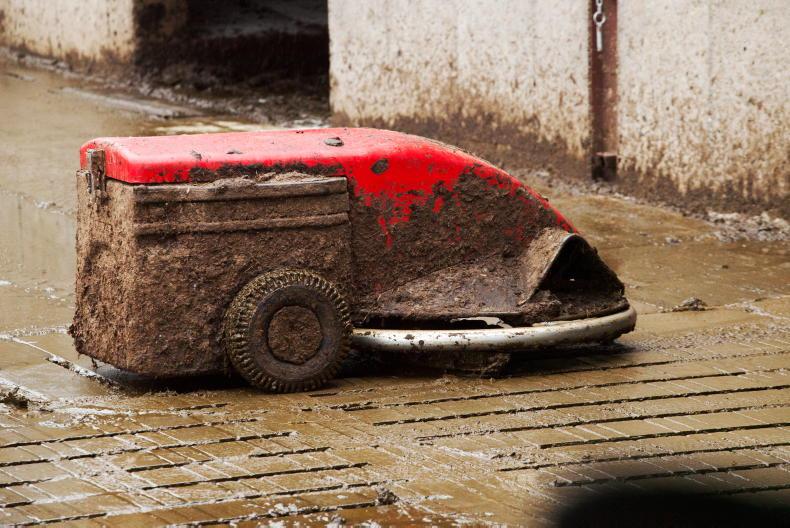
Dairy farmers are already struggling to get employees for their farms. At this year’s Dairy Day conference, we heard that farmers are increasingly seeking to invest in labour savings devices to reduce the need to hire outside help whenever possible.
Brian O’ Riordan of Lely said that the overriding trend when it comes to areas of investment on dairy farms has been around labour shortages.
The trend for dairy workers to be hired from countries outside the EU is also under pressure with the quota for permits from the Department of Enterprise, Trade and Employment already filled for the coming spring.
Taking all this together, labour is scarce and where it is available, it is going to get more expensive. For many dairy farmers, the lack of labour is becoming one of the biggest barriers to expansion.
Technological advances can take up some of the work, but the risk for the industry as a whole is that dairy farms are either getting an increase in their fixed costs, or dairy farmers are going to find themselves working even more hours than they already are, neither of which are going to make it attractive to the next generation.




SHARING OPTIONS