


Calving problems: There have been a few reports this week of calving problems in cows with excess body condition (BCS 3.5+). Early spring calving cows should be calving down at BCS 2.5. If cows are too fat, they will be laying down fat internally, in body cavities such as the birth canal, and consequently restrict the room for the calf to pass through. There will also be a tendency for calves to have a higher birth weight. Assessing cow condition should be carried out across farms. Where cows are in excess condition, and within one month of calving, there is little that can be done to reduce body condition in time. Simply trying to starve the cow or moving her onto a straw only diet will reduce the quality of colostrum and milk produced. However, you should restrict silage and offer straw and dry cow minerals to prevent any further gain in condition. Cows should be removed to calving pens, or loose boxes, at the first signs of calving so that if a problem does present itself, the cow can be restrained and both the animal and farmer can work in safety. If cows have not calved around two hours after the water bag has burst, you should check for problems. With heifers, allow one hour from bursting of the water bag before intervening.
Tightening the calving interval: Autumn calving herds from August calving through to October should be coming to the end of their breeding season. Considering cow condition, the general indications that I am hearing around the country are that autumn breeding has gone exceptionally well. Stopping the breeding season this weekend would mean that cows will finish calving in mid-October next year. When tightening the calving pattern, you should be aiming to reduce the spread by around two weeks each year, as this will safeguard against a high barren rate if there are any fertility issues delaying cows coming back into heat. There will always be one or two cows that will struggle to go back in-calf. These animals may be better off culled if they are repeat offenders. If you want to tighten the calving interval, then the best way to achieve this is to remove the stock bull or stop inseminating cows after a set period.
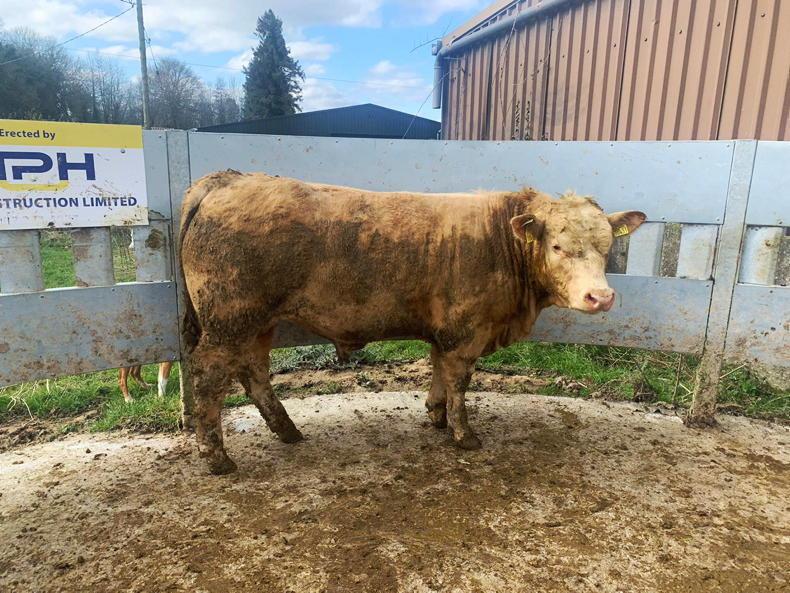
Fat covers: Finishing cattle are coming fit for slaughter so you should be paying close attention to fat covers. Once the animal is properly covered, they should be marketed. There is little point in holding cattle to achieve higher carcase weights once they are at fat class three as the animal will be converting a higher percentage of the feed into fat, rather than muscle. It takes six times more energy to produce 1kg of fat than to produce 1kg of lean muscle. Heifers will start to go fat after 60 to 70 days of intensive feeding, while steers will start to go fat after 80 to 100 days. Breed type will influence how quickly they are fleshed. Handle your cattle regularly to assess how they are changing with regards to fat cover. Cattle should be handled along the ribs, loin, tail head and shoulders. You can also check the brisket and cod for the thickness of fat. If there is a smooth cover and bones cannot be felt without applying pressure, then the animal is properly covered.
Merry Christmas and a happy new year to all our readers.


SHARING OPTIONS