Based on information from 31,973 animals that were finished between August and October of this year, the new ICBF data showed that higher genetic merit animals were finished one week earlier and also had a confirmation score two grades higher than those with a one-star CBV. They were also one fat score lower than the one-star steers.
Combined, the extra carcase weight and higher confirmation grades saw the five-star animals return a factory price that was €412 more per head than their one-star counterparts.
Breaking down the data between the different breeds shows subtle difference. This can be seen in the tables, but there was also noticeable variances within a breed too.
Limousin edged out in front in terms of numbers, but only just with 15,991 steers finished in the four- month period looked at.
Five-star ranked CBV steers killed out at an average carcase weight of 433kg at 29.9 months, 47kg/head above those with one-star. They averaged 386kg at 30 months.
The top-ranking animals had an average CBV of €496 compared to an average of €287 for the one-star steers.
There were 15,982 Charolais-cross steers finished in that time-frame and those with a five-star CBV killed out at 456kg.
This was 50kg heavier than one-star steers and they were also finished two weeks faster than those with lower genetic merit.
There was a difference of €210 in the CBV indexes of the top- and bottom-ranked cattle.
Dairy-beef steers
Dairy-beef steers with a higher commercial beef value (CBV) are also delivering heavier carcase weights than those with a lower ranking for CBV and relative to continental breed suckler-bred bullocks they are achieving these weights at a younger age. Analysis on the close to 66,000 Angus- and Hereford-cross steers from the dairy herd that were slaughtered from July to September of this year showed that five-star ranked CBV animals had a 25kg heavier carcase weight than their one-star counterparts.
Over 41,000 were Angus-cross steers and those with a five-star ranking on CBV had an average killout of 354kg at 28.1 months of age. Those with a one-star ranking averaged 330kg for carcase weight, at 29.1 months.
At the average prices over this period, the 24kg extra carcase of the five-star animals was returning €178/head more than the one-star animals.
The average CBV for five-star animals was €193, while this figure sat at €74 for those with one star.
Hereford steers
Based on the information from 24,456 animals, there was a similar result from Hereford-cross steers. At an average weight of 358kg, five-star animals weighed 23kg more than those with one star for CBV. Finished at 28.8 months, these animals were sold over three weeks earlier than those with a lower CBV index and earned €171/head more on their price.
Five-star animals of both cattle breeds also averaged one confirmation score higher at O+3+ compared to O=3+ for one-star animals.
ICBF comment
“The Commercial Beef Value (CBV) provides farmers with an insight into the genetic potential of animals destined for beef production. It comprises traits of economic importance to beef systems, including carcass weight, conformation and feed intake,” said Eoin Frawley.
“CBV is expressed as a euro value. The higher the value, the higher the animal’s genetic merit for the traits included. Having CBV available can help farmers make more informed decisions when buying or selling cattle. Higher-CBV animals are expected, on average, to deliver better performance and greater economic value at finishing, as demonstrated in the attached analysis.
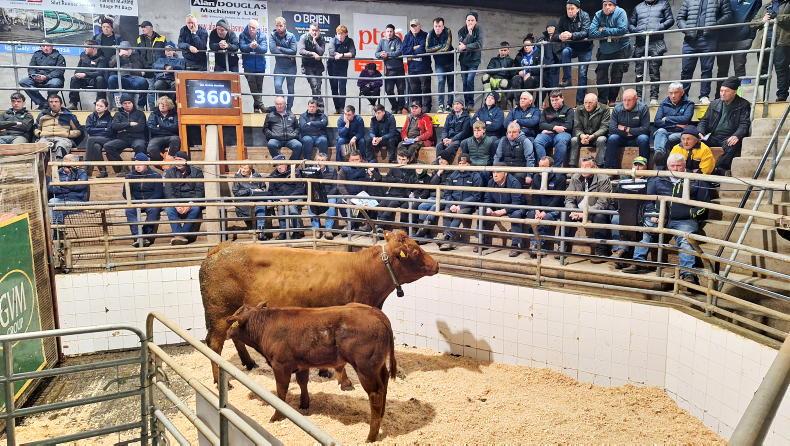
“Confirming parentage through genotyping helps ensure animals receive the most accurate CBV possible, giving buyers and sellers greater confidence in their decisions. CBV’s are available on mart boards and the ICBF mart tracker for genotyped animals. For private sales, the seller will have access to CBV’s through their ICBF HerdPlus account.”