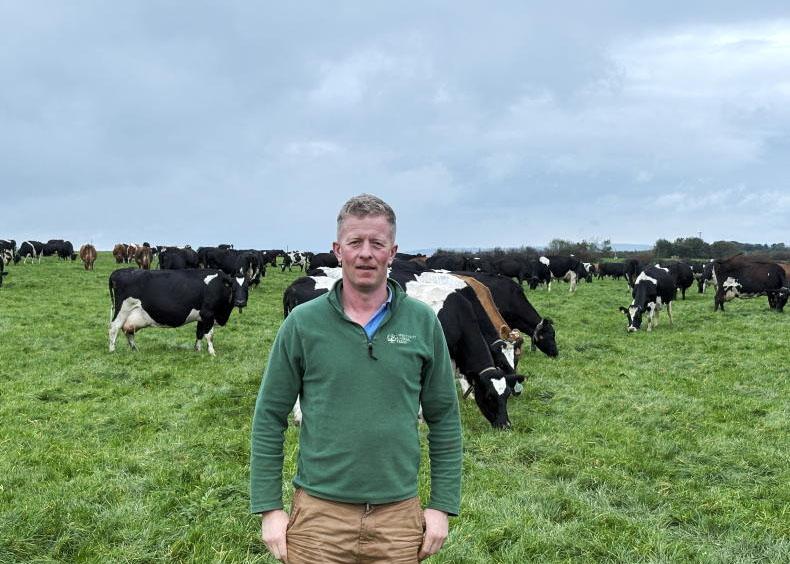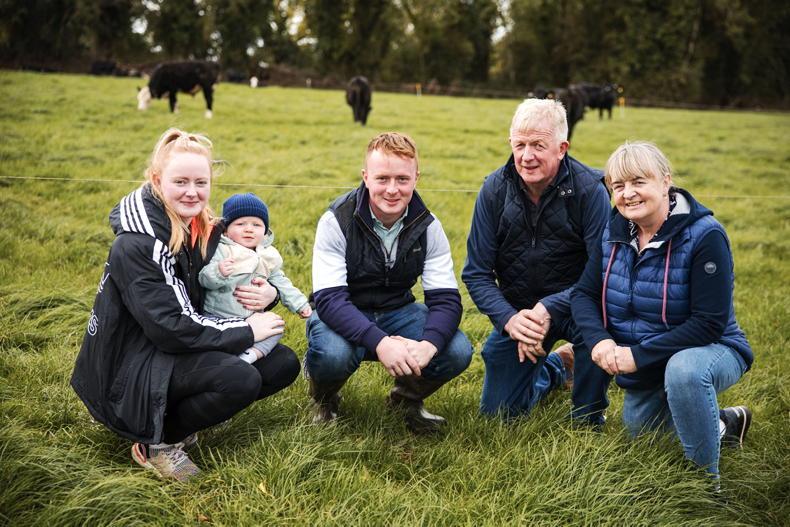
Last week, Gerry, Anne and Cian Beirne opened the gates of their farm in Elphin, Co Roscommon to host a Liffey Meats Positive Farming Programme farm walk.
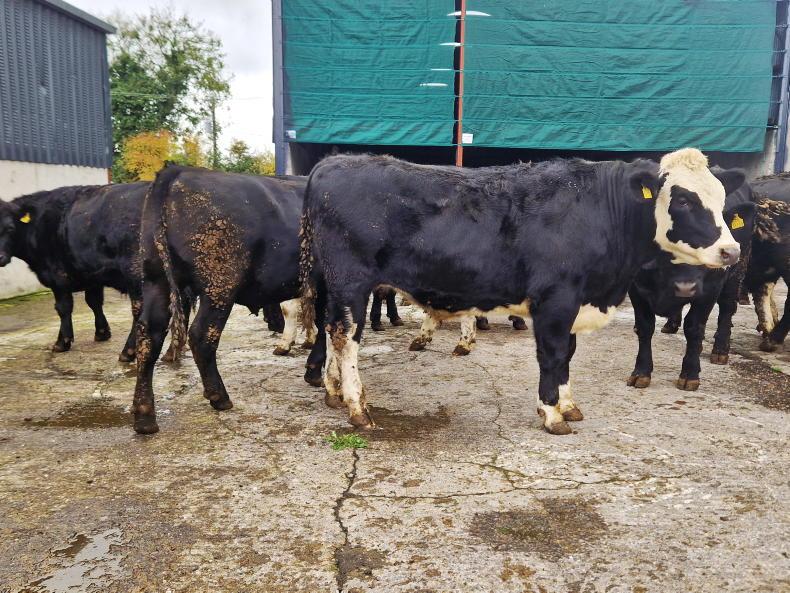
The Beirne family run a dairy-calf-to-beef enterprise alongside a suckler to weanling system. The family farms across three blocks: 80ha of mixed land, with approximately 40ha dedicated to dairy-calf-to-beef and the sucklers run across some of the more marginal land.
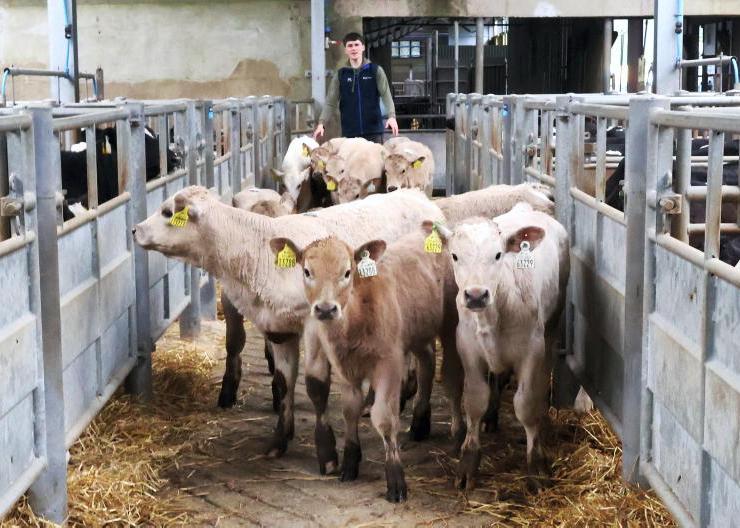
There are over 110 calves reared annually. Traditionally, there were 70 to 80 – all spring-born calves – with the introduction of 35 autumn-born calves in late 2025 increasing this number.
The Beirnes run these calves alongside 30 to 35 suckler cows, with the suckler progeny sold as weanlings in Elphin Mart, while a number of high-end pedigree Charolais and Angus cattle are also sold for breeding at local sales.
All calves are sourced from the same two to three farms annually. The Beirnes favour early-maturing breeds with a mixture of both Angus- and Hereford-cross calves bought.
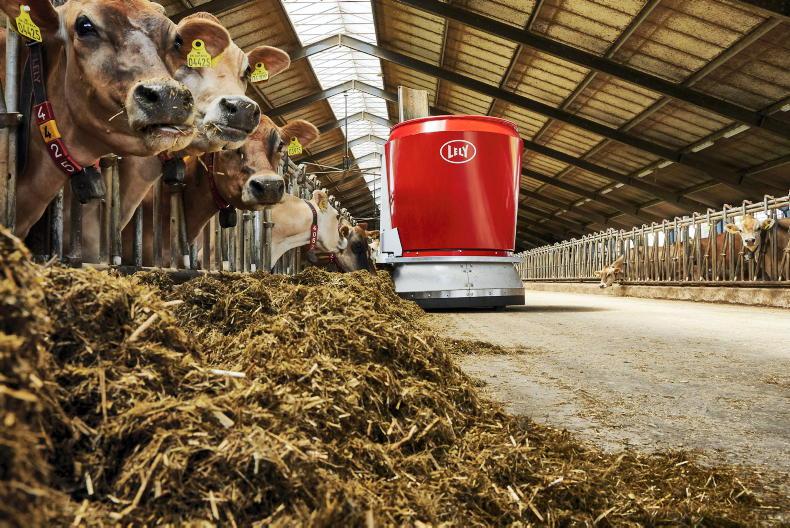
“We rear them all on an automatic feeder,” Cian explained.
“It takes the work out of rearing them and you can see what is feeding and what is slow to feed, it also ensures all calves get a consistent feed. We both work off-farm, so a simple and efficient rearing phase is important.”
Positive farming programme
Liffey Meats launched its new sustainability programme for farmers earlier in 2026, an upfront payment of potentially €2,700 for this year and changing to a 20c/kg bonus on all eligible cattle from 2027 onwards.
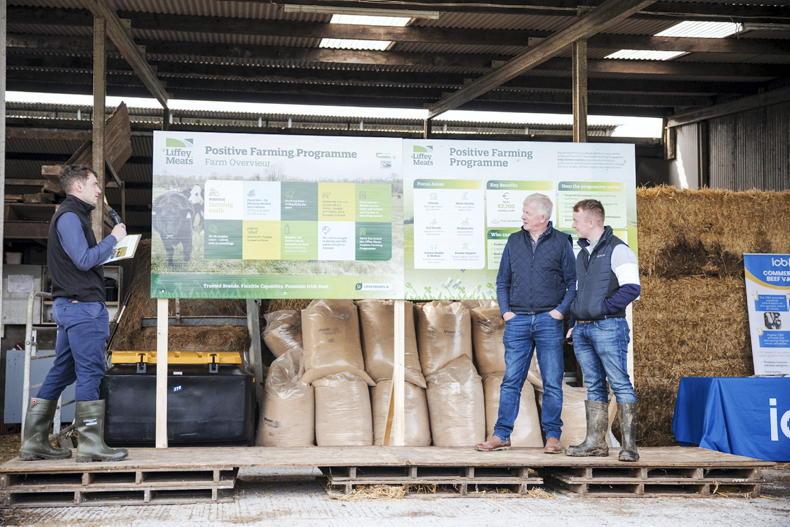
Nathan McCartin, programme manager, said: “We launched this sustainability programme to reward farmers. Most will already be carrying out the majority of the 13 different actions; it’s highlighting the good practices taking place on Irish farms and a few will have to adopt new technologies, but all these actions are carefully chosen to enhance farmers both financially and environmentally.”
Grassland management
The Beirnes have invested heavily in grassland management over the last number of years with 100% of one block dedicated to the dairy-calf-to-beef stock now reseeded.
As of early September, this block has grown 12t/ha, with a number of paddocks growing over 14t/ha.
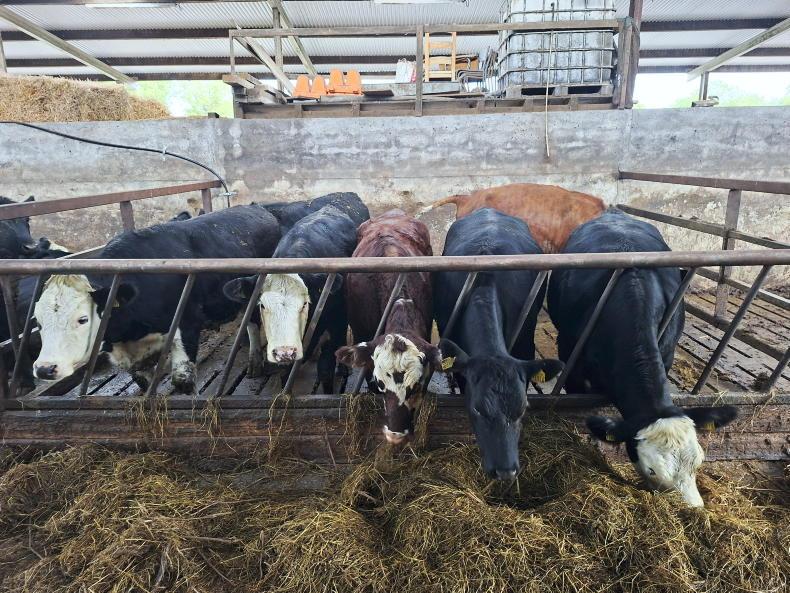
Tommy Cox, local DairyBeef500 adviser, outlined to farmers the finishing performance of the 2025 cattle and how capitalising on grass is crucial to maximising financial performance of the system.
“Good performance is down to five key principles: calf quality, calf rearing, animal health, grassland management and nutrition.
“We aim to do all five of these principles correctly. If one doesn’t go according to plan, we can carry that, but if we fail on two of these, we’re in bother,” said Tommy.
“It starts with selecting the correct calf, the Beirnes are lucky they’re buying from the same farmers the last few years who are using high-carcase-weight bulls that will allow them to purchase a calf that will killout at a good weight.
“For 2025, the finished heifers had an average carcase weight of 265kg at an average age of 20.9 months, while the steers averaged a 305kg carcase at 21.7 months of age.
“The steers saw an increase of 44kg in carcase weight sold on 2024 cattle, while the heifers were marginally better, weighing an average of 6kg heavier,” he said.
“This performance is largely from grass. Early turnout is possible most years with lighter type stock, 2026 was a difficult spring with turn out later then planned.
“The finishing process is simple: cattle are housed for a short 60- to 70-day period on over 70% DMD silage with about 5kg of concentrates also fed.
“This allows for an adequate fat cover to develop on the cattle before slaughter. As we can see from the 2025 slaughter performance, the cattle killed all hit the correct spec,” Tommy added
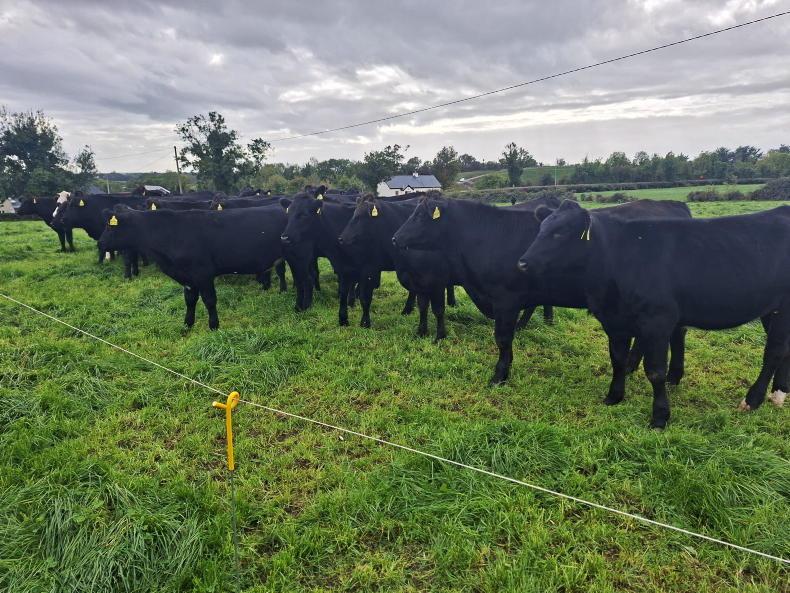
He also mentioned that “investing in grass has its cost, but it is the single best return on investment a farmer can make”.
Gerry added: “We saw this year that cattle we grazed on a permanent pasture sward for the whole year were performing between 0.2kg and 0.3kg less per day than those on younger reseeded swards.”
Heifers: herd average
Key performance indicators
Steers: herd average
Key performance indicators
Animal health
Once calves arrive on farm, they are grouped and trained onto the automatic feeder – as calves are only coming from three farms, it reduces the risk of disease on the farm.
The farm has an animal health plan in place which John Gilmore, local vet at Emlagh Lodge Veterinary Centre, discussed on the day.
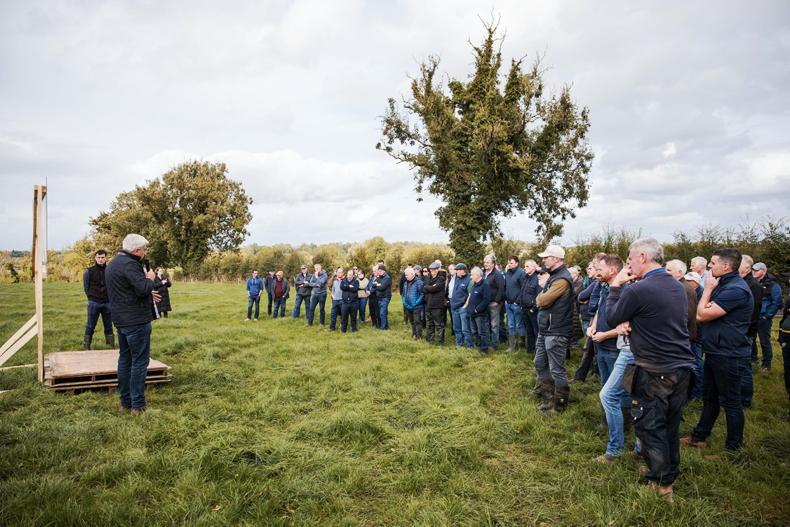
“We’ve been working with Gerry here the last 20 years,” John said. “All calves will be vaccinated with an intranasal pneumonia vaccine. There was a coccidiosis issue detected on-farm a number of years ago, so Gerry and Cian preventively treat for it.
“Disease burdens will vary year to year. During the summer this year, we saw quite low levels of parasites, but now, after the weather changing, we’re seeing an increase in the level of parasites presenting in samples.
“Farmers need to be a little more proactive when looking to detect lungworm as it doesn’t show up in samples like gut worm does.
“If calves are coughing, a discussion should be had with your vet.”
Challenges this year
Although the farm has had an exceptional year growing grass, it was not all plain sailing.
A wet spring resulted in a later-than-planned turnout and left grazing conditions tricky with a lot more work required to keep cattle at grass and prevent poaching. This was followed by a dry summer, which resulted in stunted grass growth.
The Beirnes made the decision to house 25 of the heaviest cattle in late July to reduce demand on the grazing blocks. These cattle are now coming fit for slaughter.
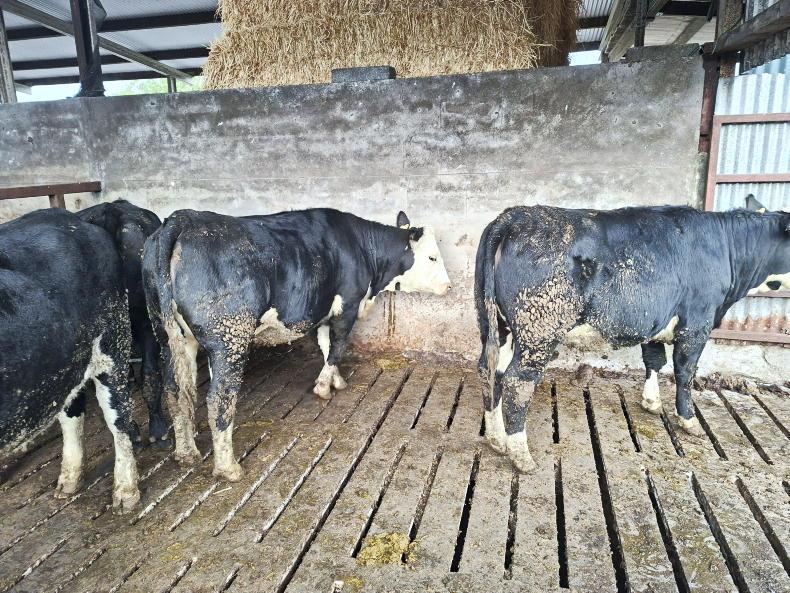
Seanie O’Beirne from Liffey Meats discussed finishing practices on-farm. The first cattle are due to be slaughtered in the coming 10 days. As a result, grass supply has rebounded exceptionally on the back of young reseeded swards, and there is now sufficient grass on-farm to keep lighter stock grazing for another four to six weeks, if ground conditions allow.
Social farming
The family also works with Social Farming Ireland with Anne leading the charge in facilitating farm visits.
Social Farming Ireland gives those who are socially, physically, mentally or intellectually disadvantaged the opportunity to spend time and carry out activities on a working family farm. Participants usually come for one day per week, for a period of between eight and 24 weeks.
Social Farming Ireland is a national project led by Leitrim Development Company and is funded by the Department of Agriculture, Food and the Marine.
For more information or to register interest in becoming a social farm, see www.socialfarmingireland.ie