

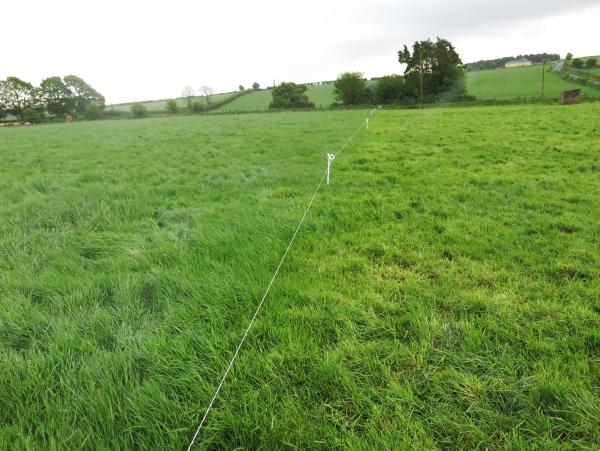
Many farmers are now appreciating that a paddock system would help aid management and utilise grass more efficiently compared with a set stocking system. The best way to install a paddock system is to use an electric fence. Electric fences are excellent barriers for livestock, but could be far more effective on many farms if the simple things are done right.
How it works
An electric fencer works by converting electricity into a high-voltage pulse. This high-voltage pulse is connected to an insulated wire. If an animal touches the wire, the pulse will run through the animal and into the ground. All electric current wants to get back to source. Therefore, power on the fence wire needs to get back to the fencer via the earth field.
A fencer works best when it is well earthed to damp ground via the ground rods.
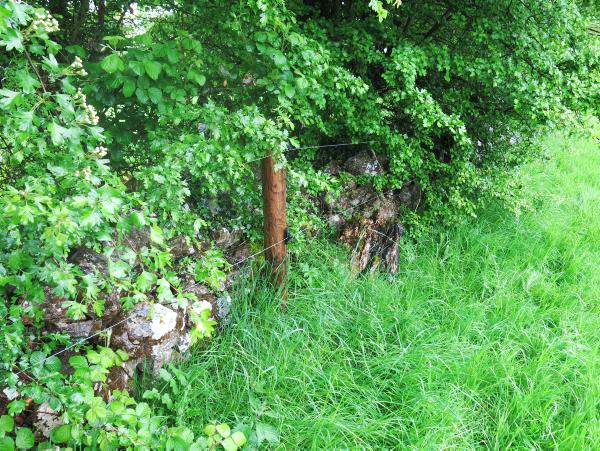
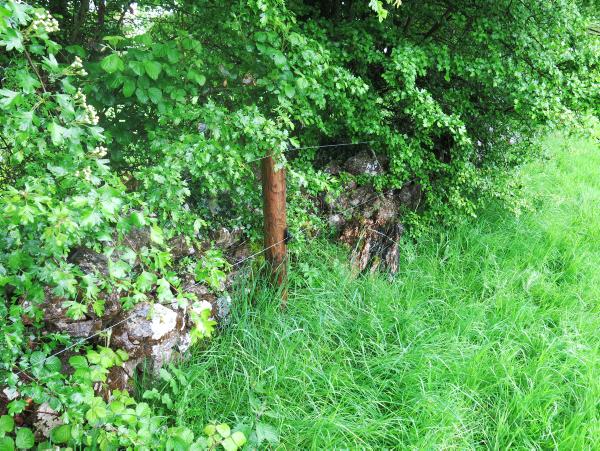
A mains fencer will lose a certain amount of energy if the fence it is powering is enveloped by hedges and grasses.
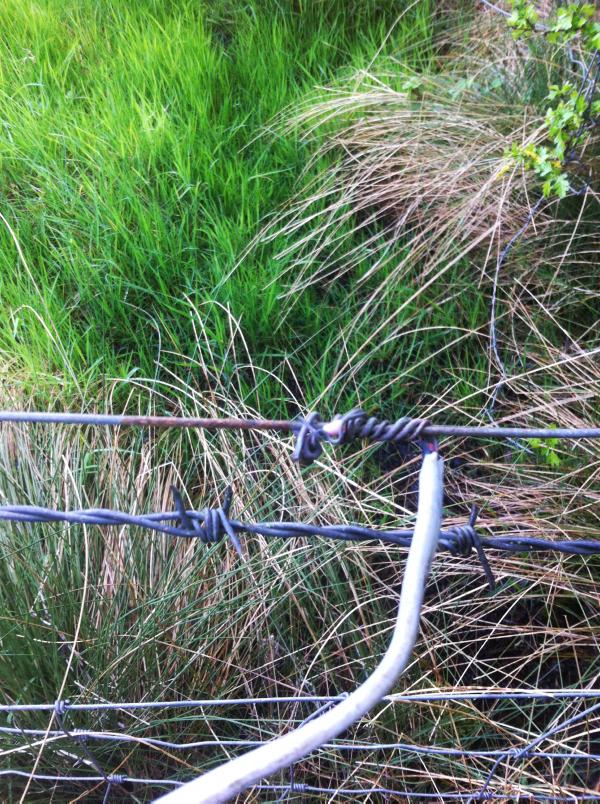
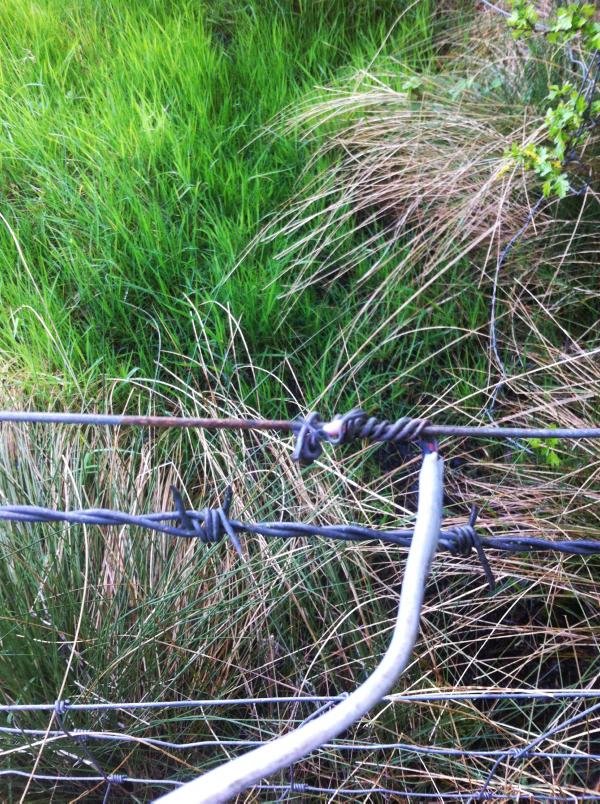
If an electric fence touches an uninsulated wire or earthed material, almost all of the pulse will be drained from the wire and the shock will be minimal. See Figure 1.
What size fencer do I require?
In Ireland, because of high vegetation growth and wet weather, a five-output joule fencer would fence between 60 and 70 acres. Output joules relate to the real horsepower of the fencer. In Europe, or any country where summers are drier and hedges are not as prominent, a five-output joule fencer would fence about 300 acres.
The best way to compare fencers is to examine the maximum output joule rating. This is the real power available to drive voltage along the fence wire. It could also be described as the horsepower of the fencer.
A standard rule of thumb says that if you double the output joules, you will double the shock length.
You should choose a fencer with a higher output joule rating than you actually require. That way, in future, it will be able to cope better with wet vegetation pressure and have the horsepower to drive voltage larger distances.
Maintaining the fence system
After installing a high-power fencer, you have to ensure that the old fence is fit for purpose.
It is wrong to think that a high output joule fencer will solve all your problems, because it won’t.
A low-output joule fencer will not show much voltage leakage through poor-quality insulators.
High output joule, low-impedance fencers increase the voltage on the fence wire and also increase voltage leakage. Therefore, it is important to follow this checklist to make sure your fencer is working to its potential:
Replace damaged or broken insulators.Ensure that all wire connections are tight and joined wires make a good connection.Correct wire tension to avoid swaying in the wind.Remove excess vegetation growth.Check wire connections under gates.When walking the farm, walk by hedges and remove any heavy briars or thistles that are hanging over the wire.Output joule fencers are designed to drive voltage through these obstructions and control your livestock, but these heavy obstructions should be removed.
Vegetation growth
While people expect a large fencer to burn off vegetation, this is not accurate. A suitably sized output joule fencer will control vegetation growth, if there is no vegetation on the fence wire or if old vegetation has been removed. The fencer will control further growth unless there is a combination of major faults that reduce the voltage on the wire.
When vegetation gets close to the fence wire, voltage will brown the tip of the vegetation. This browning means there is no growth sap in the vegetation and therefore the current is not carried back to the ground. This is what is meant by burning or controlling vegetation.
A high-output joule fencer of the correct size designed to drive power through wet vegetation and give enough voltage on fence wire will control livestock.
If a high-output joule fencer is erected on an existing farm fence where vegetation has grown over the wire, the higher power fencer will burn the vegetation back if vegetation is dry. However, the vegetation tends to hang over the wire and when it rains, the water forms a conductor of voltage to earth.
A large amount of this vegetation will cause a serious drop in voltage on the fence wire. Therefore, when vegetation growth is wet, the voltage on fence wire drops and when vegetation dries out, the voltage increases. Similarly, when poor-quality insulators are used, the voltage is lower on the fence wire when they are wet and the voltage increases when they dry out.
Battery/solar fencers
If there is no power source present where you intend to set up an electric fence, a battery- or solar-powered fence may be an option.
The solar charger is a better option than just a rechargeable battery energiser because it will recharge the battery during the daylight hours.
It is advisable to use an oversized panel to ensure batteries will last the whole grazing season and should not have to be replaced. Solar panels should be south-facing to make the best use of the sunlight.
Voltmeters
To maintain and know how well your fence is working, a voltmeter is essential. The voltmeter will give you a reading in volts.
Voltage on the fence should not drop below 2,000 volts if you want it to be an effective livestock barrier.
The main causes of leaks on the fence wire are:
Many farmers are now appreciating that a paddock system would help aid management and utilise grass more efficiently compared with a set stocking system. The best way to install a paddock system is to use an electric fence. Electric fences are excellent barriers for livestock, but could be far more effective on many farms if the simple things are done right.

How it works
An electric fencer works by converting electricity into a high-voltage pulse. This high-voltage pulse is connected to an insulated wire. If an animal touches the wire, the pulse will run through the animal and into the ground. All electric current wants to get back to source. Therefore, power on the fence wire needs to get back to the fencer via the earth field.
A fencer works best when it is well earthed to damp ground via the ground rods.
A mains fencer will lose a certain amount of energy if the fence it is powering is enveloped by hedges and grasses.
If an electric fence touches an uninsulated wire or earthed material, almost all of the pulse will be drained from the wire and the shock will be minimal. See Figure 1.

What size fencer do I require?
In Ireland, because of high vegetation growth and wet weather, a five-output joule fencer would fence between 60 and 70 acres. Output joules relate to the real horsepower of the fencer. In Europe, or any country where summers are drier and hedges are not as prominent, a five-output joule fencer would fence about 300 acres.
The best way to compare fencers is to examine the maximum output joule rating. This is the real power available to drive voltage along the fence wire. It could also be described as the horsepower of the fencer.
A standard rule of thumb says that if you double the output joules, you will double the shock length.
You should choose a fencer with a higher output joule rating than you actually require. That way, in future, it will be able to cope better with wet vegetation pressure and have the horsepower to drive voltage larger distances.
Maintaining the fence system
After installing a high-power fencer, you have to ensure that the old fence is fit for purpose.
It is wrong to think that a high output joule fencer will solve all your problems, because it won’t.
A low-output joule fencer will not show much voltage leakage through poor-quality insulators.
High output joule, low-impedance fencers increase the voltage on the fence wire and also increase voltage leakage. Therefore, it is important to follow this checklist to make sure your fencer is working to its potential:
Replace damaged or broken insulators.Ensure that all wire connections are tight and joined wires make a good connection.Correct wire tension to avoid swaying in the wind.Remove excess vegetation growth.Check wire connections under gates.When walking the farm, walk by hedges and remove any heavy briars or thistles that are hanging over the wire.Output joule fencers are designed to drive voltage through these obstructions and control your livestock, but these heavy obstructions should be removed.
Vegetation growth
While people expect a large fencer to burn off vegetation, this is not accurate. A suitably sized output joule fencer will control vegetation growth, if there is no vegetation on the fence wire or if old vegetation has been removed. The fencer will control further growth unless there is a combination of major faults that reduce the voltage on the wire.
When vegetation gets close to the fence wire, voltage will brown the tip of the vegetation. This browning means there is no growth sap in the vegetation and therefore the current is not carried back to the ground. This is what is meant by burning or controlling vegetation.
A high-output joule fencer of the correct size designed to drive power through wet vegetation and give enough voltage on fence wire will control livestock.
If a high-output joule fencer is erected on an existing farm fence where vegetation has grown over the wire, the higher power fencer will burn the vegetation back if vegetation is dry. However, the vegetation tends to hang over the wire and when it rains, the water forms a conductor of voltage to earth.
A large amount of this vegetation will cause a serious drop in voltage on the fence wire. Therefore, when vegetation growth is wet, the voltage on fence wire drops and when vegetation dries out, the voltage increases. Similarly, when poor-quality insulators are used, the voltage is lower on the fence wire when they are wet and the voltage increases when they dry out.

Battery/solar fencers
If there is no power source present where you intend to set up an electric fence, a battery- or solar-powered fence may be an option.
The solar charger is a better option than just a rechargeable battery energiser because it will recharge the battery during the daylight hours.
It is advisable to use an oversized panel to ensure batteries will last the whole grazing season and should not have to be replaced. Solar panels should be south-facing to make the best use of the sunlight.
Voltmeters
To maintain and know how well your fence is working, a voltmeter is essential. The voltmeter will give you a reading in volts.
Voltage on the fence should not drop below 2,000 volts if you want it to be an effective livestock barrier.
The main causes of leaks on the fence wire are:
Poor wire connections.Small or perished insulators on the wire.Use of wrong gauge cable and crossing gateways.Vegetation growth on the wire.Where vegetation hangs over the wire and gets wet, this vegetation will carry current to the ground.Different wire dimensions being used on the fence (ie, section of 1.5mm wire feeding onto 2.5mm wire).
SHARING OPTIONS