



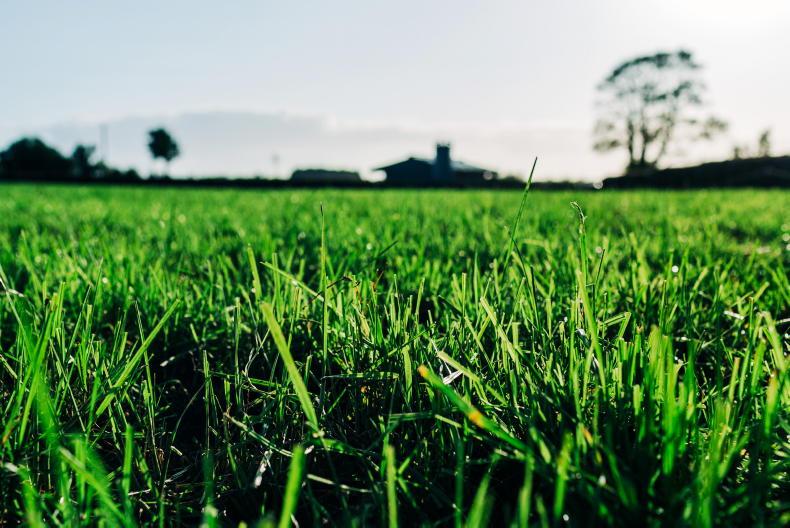
Grass: Grass growth rates have continued to be above average throughout the country with last week’s rain really driving on growth this week. Met Éireann is predicting average rainfall across the country of between 3-30mm this week which, when coupled with average soil temperatures ranging from between 15-17 degrees, translates into Teagasc predicting growth rates of between 58-75kg/DM/Ha/day.
This is great news but it will present challenges on some farms in terms of keeping quality grass ahead of stock. Things are likely to change very quickly on some farms in terms of going from not enough grass to too much, so you need to at least walk your farm weekly to determine what grass you have and how to manage it correctly. Second-cut silage ground is back into the rotation on a lot of farms so this has dropped demand.
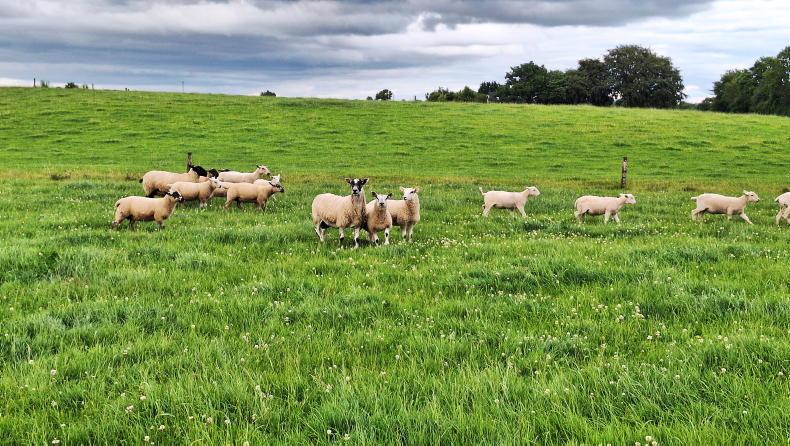
To calculate your grass demand you take the weight of the animals that are grazing a set piece of ground. If you have 40 bullocks weighing 500kg grazing a 20ha farm, they eat 2% of their body weight on a daily basis, so that’s 20,000kg x 2% which is 400kg/dm/day. Divide this by the 20Ha and that gives you a demand of 20kg/dm/day.
So you can see with predicted growth rates high, most drystock farms are going to be growing way in excess of what they need next week. Remedying this may mean taking out more ground for third-cut silage, taking out fields for reseeding (see this week’s reseeding focus pages 41-52 for tips on reseeding). You should be aiming to have 25-30 days ahead of you in grass by the end of August.
Slurry: Every year we see weather conditions change towards the autumn and farmers get caught with slurry in tanks and with fields wet, an extension to the spreading period is called for. Ground conditions were never better.
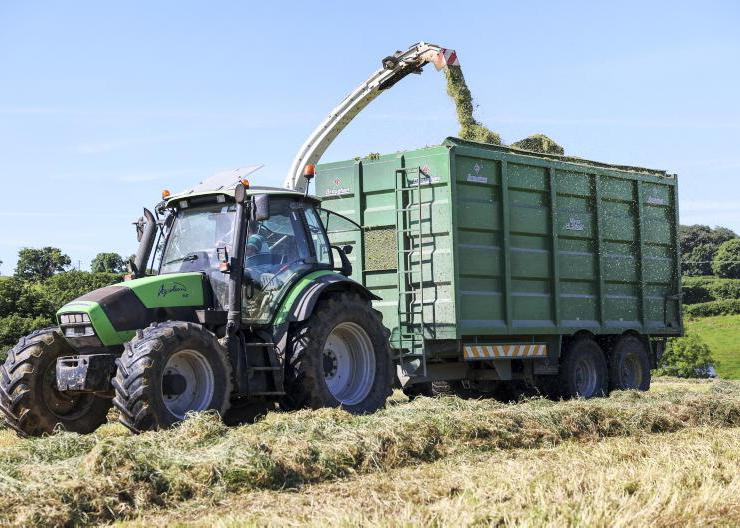
Organise your contractor this week to get it spread. Cutting silage or hay will remove the most amount of P and K from fields so it makes sense to return this off take in the form of slurry. Try and agitate on a day where there is some wind. Always take any stock out of sheds before agitating and never enter a shed when agitating is taking place. Let someone in the house know you are working at slurry and never allow children around the yard area when tanks are open and slurry is being spread.
Bord Bia Quality Assurance: There has been a large increase in the number of participants in the Sustainable Beef and Lamb Quality Assurance scheme due to the fact that SCEP participants had to be a member on joining SCEP.
You must remain a member for the duration of the five- year SCEP contract, so it’s very important that you have everything up to date to pass your next certification visit. There is a lot of paperwork involved if you leave until the night before the inspection to complete.
If you try and fill it out as you go along it’s a lot easier to complete. The added benefit is that if you pass the Quality Insurance inspection you should have a lot of the requirements in place to pass a Cross Compliance inspection.



SHARING OPTIONS