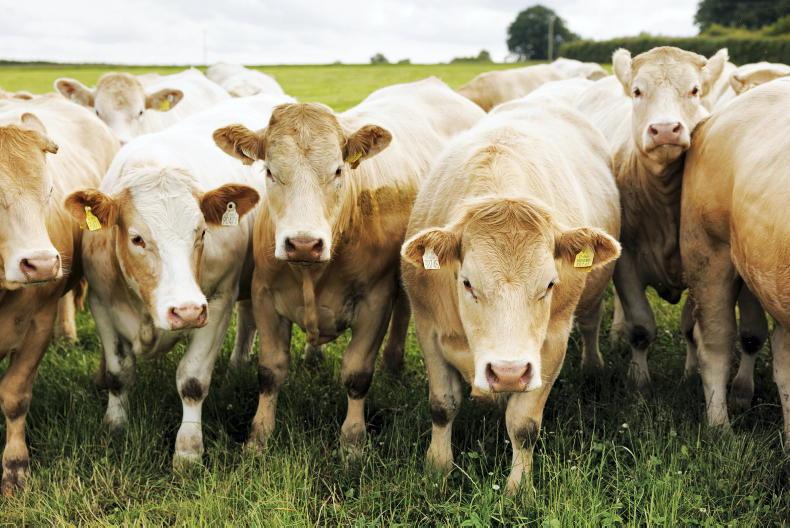
Managing grass supplies: Grass supplies are still extremely tight on many farms.
Rainfall has been extremely variable, with the areas requiring it most receiving the least and heavy supplementation still ongoing on these farms. With regard to fertiliser, it is probably best to hold off to allow ground to soften somewhat, owing to the extreme hardness of these soils.
Fifteen to 25 units of nitrogren (N) per acre can be spread on ground where rainfall is ample to do so, with this best applied on heavier ground or ground with a cover as N utilisation will be highest here and you will see a better return on investment.
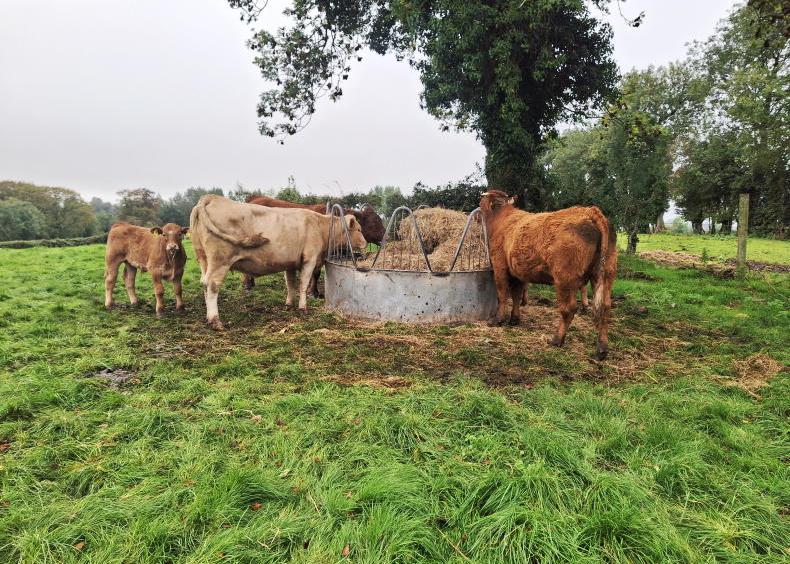
Rainfall amounts are set to remain low for many areas, so supplementation will have to remain in the diet. Demand will have to be matched with growth where cover is below 500kg DM/ha, to allow for a cover of grass to be held for recovery.
Caution will also have to be taken regarding winter fodder supplies, with heavy amounts of silage having been fed to date. It is better to assess now where fodder supplies are for the winter and take action, be that to secure fodder from outside the farm gate, or discuss with tillage farmers regarding growing winter fodder crops for grazing.
Autumn-calving cows: Autumn calving has kicked off in the last two weeks, with conditions being as close to ideal for calving outdoors. Cows should be drafted close to the yard/house as they approach their calving date, to monitor cows pre- and post-calving.
While the majority of farmers will choose to calve outdoors for labour reduction and to reduce the risk of disease, it’s important that there are handling facilities close by, should intervention be required.
All necessary equipment (calving jack, ropes, naval spray, etc) should also be available on-site, as well as a supply of either frozen or powdered colostrum, should cows calve down lacking colostrum themselves.
While it is best to let cows calve themselves, a good rule of thumb is to intervene if there is no progress one hour after the cow has passed the water bag.
First-calved heifers: First-calved heifers, especially those that have calved down at 24 months of age in spring, may be starting to feel the pinch and corrective action may be necessary.
Recent grass growth has not helped to keep these animals in optimum conditions. Weaning these animals earlier than mature cows will have a major benefit in allowing them to put on additional flesh ahead of housing. Where these cows go indoors in poorer condition and are offered medium-quality silage, concentrates will have to be fed in early winter to try and allow condition to be gained.
Weaning these animals early will allow them to gain this weight at a relatively cheap cost through grazed grass. Their calves should be offered creep meal prior to and post weaning to maintain condition and have them ready for sale alongside the main batch.