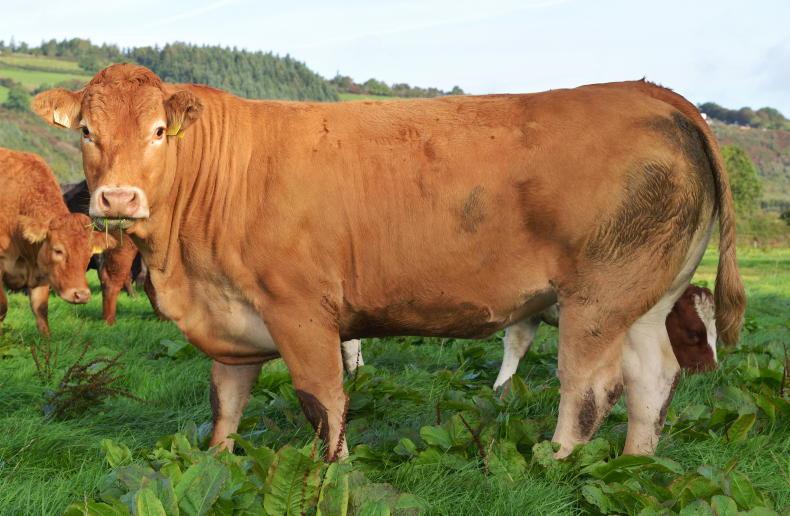
Out-wintered stock: The weather over the past few weeks has been hard on out-wintered cattle. Weanlings and young cattle that are out-wintered are still susceptible to worms and fluke. I have spoken to some farmers in the past few weeks who have some light calves out at grass at low stocking rates. One of the issues that has cropped up is calves coughing. If calves are coughing, and have not been dosed in the past six to eight weeks, treatment is probably necessary. The unsettled weather can bring on pneumonia quickly, especially if there is inadequate shelter. In most cases, it may be more beneficial to house these cattle where possible in a well ventilated shed. Avoid mixing stock to reduce bullying; let them settle for a few days and then treat them. Where they are treated and remain outdoors, pay particular attention for the early signs of pneumonia. Calves that are coughing up worms can become stressed quickly and the risk of pneumonia can increase. Remember to continue to supplement outdoors with 2kg/head of concentrates and silage, where necessary.
Where calves or weanlings have been are on stubble ground or on kale or rape for more than eight weeks, they can be given a fluke treatment. Most fluke should be in a mature stage and a high kill rate will be achieved. Brassicas are high in protein but low in dry matter and minerals. Cattle grazing them should be supplemented accordingly.
Vaccinations: Now is the time to plan your vaccination programme for 2016. Vaccinations against BVD and leptosporosis for cows require just one shot – a booster given about four weeks prior to breeding. Heifers that have not been vaccinated before will require a primary course of two injections four to six weeks apart. Immunity will then last for about 12 months after the administration of the second shot. Giving vaccines in advance of the breeding season will ensure that animals have adequate protection built up. Avoid giving different vaccines at the same time.
ADVERTISEMENT
Colostrum: With calving under way on some farms, it is essential not to overlook the basics. A calf should get adequate colostrum in the hours of birth to build the immune system. A calf should consume 10% of its body weight (approximately five litres) within the first 24 hours after birth. Two to three litres of this should be consumed in the first two hours after birth as the calf’s ability to absorb antibodies reduces soon after. Ensure that the calf sucks the cow after birth. If the calf is unable to suck, stomach-tubing may be necessary, but avoid this where possible as it can irritate the calf’s oesophagus. If stomach-tubing is necessary, use the colostrum from the cow as it contains antibodies specific to the farm. Using colostrum from other cows or dairy herds may open the herd to disease.
Happy New Year: I would like to wish all of our readers a happy and prosperous New Year.
Register for free to read this story and our free stories.
This content is available to digital subscribers and loyalty code users only. Sign in to your account, use the code or subscribe to get unlimited access.
The reader loyalty code gives you full access to the site from when you enter it until the following Wednesday at 9pm. Find your unique code on the back page of Irish Country Living every week.
CODE ACCEPTED
You have full access to the site until next Wednesday at 9pm.
CODE NOT VALID
Please try again or contact support.
Out-wintered stock: The weather over the past few weeks has been hard on out-wintered cattle. Weanlings and young cattle that are out-wintered are still susceptible to worms and fluke. I have spoken to some farmers in the past few weeks who have some light calves out at grass at low stocking rates. One of the issues that has cropped up is calves coughing. If calves are coughing, and have not been dosed in the past six to eight weeks, treatment is probably necessary. The unsettled weather can bring on pneumonia quickly, especially if there is inadequate shelter. In most cases, it may be more beneficial to house these cattle where possible in a well ventilated shed. Avoid mixing stock to reduce bullying; let them settle for a few days and then treat them. Where they are treated and remain outdoors, pay particular attention for the early signs of pneumonia. Calves that are coughing up worms can become stressed quickly and the risk of pneumonia can increase. Remember to continue to supplement outdoors with 2kg/head of concentrates and silage, where necessary.
Where calves or weanlings have been are on stubble ground or on kale or rape for more than eight weeks, they can be given a fluke treatment. Most fluke should be in a mature stage and a high kill rate will be achieved. Brassicas are high in protein but low in dry matter and minerals. Cattle grazing them should be supplemented accordingly.
Vaccinations: Now is the time to plan your vaccination programme for 2016. Vaccinations against BVD and leptosporosis for cows require just one shot – a booster given about four weeks prior to breeding. Heifers that have not been vaccinated before will require a primary course of two injections four to six weeks apart. Immunity will then last for about 12 months after the administration of the second shot. Giving vaccines in advance of the breeding season will ensure that animals have adequate protection built up. Avoid giving different vaccines at the same time.
Colostrum: With calving under way on some farms, it is essential not to overlook the basics. A calf should get adequate colostrum in the hours of birth to build the immune system. A calf should consume 10% of its body weight (approximately five litres) within the first 24 hours after birth. Two to three litres of this should be consumed in the first two hours after birth as the calf’s ability to absorb antibodies reduces soon after. Ensure that the calf sucks the cow after birth. If the calf is unable to suck, stomach-tubing may be necessary, but avoid this where possible as it can irritate the calf’s oesophagus. If stomach-tubing is necessary, use the colostrum from the cow as it contains antibodies specific to the farm. Using colostrum from other cows or dairy herds may open the herd to disease.
Happy New Year: I would like to wish all of our readers a happy and prosperous New Year.
If you would like to speak to a member of our team, please call us on 01-4199525.
Link sent to your email address
We have sent an email to your address. Please click on the link in this email to reset your password. If you can't find it in your inbox, please check your spam folder. If you can't find the email, please call us on 01-4199525.
ENTER YOUR LOYALTY CODE:
The reader loyalty code gives you full access to the site from when you enter it until the following Wednesday at 9pm. Find your unique code on the back page of Irish Country Living every week.
SHARING OPTIONS