


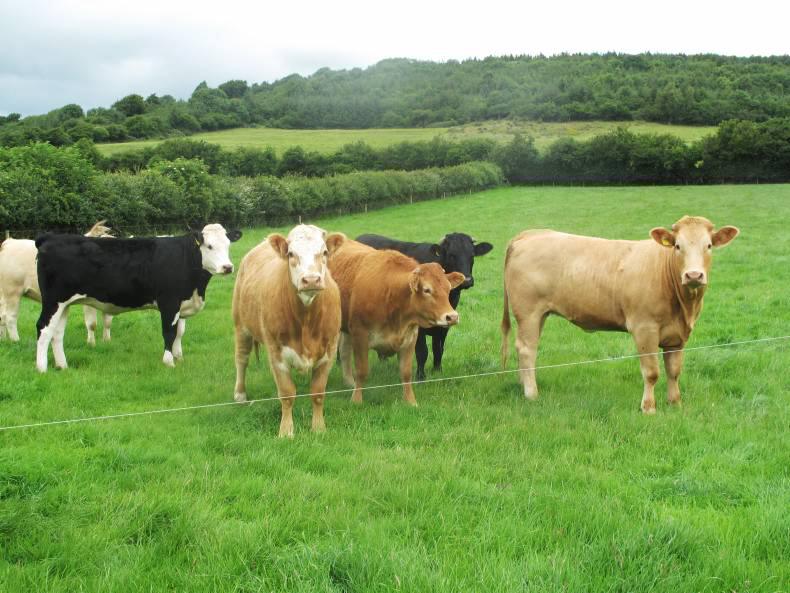
Sean Power's farm is all in grass and is divided into four blocks, which are all within a six-mile radius.The largest block of land is 56ha and the smallest block is 13ha.The majority of the farm is freedraining limestone land, which has great potential for getting cattle out to grass in early spring for a long grazing season.
Sean is one of two farmers in the programme operating a trading beef system. Sean operates a heifer yearling-to-beef finishing system. The heifers are purchased in marts at approximately one year old and finished on the farm at grass or during the winter housing period.
Heifers are normally killed at 300kg carcase, with most animals grading R. Sean has been buying better quality animals and his average carcase weight in 2014 was 319kg.
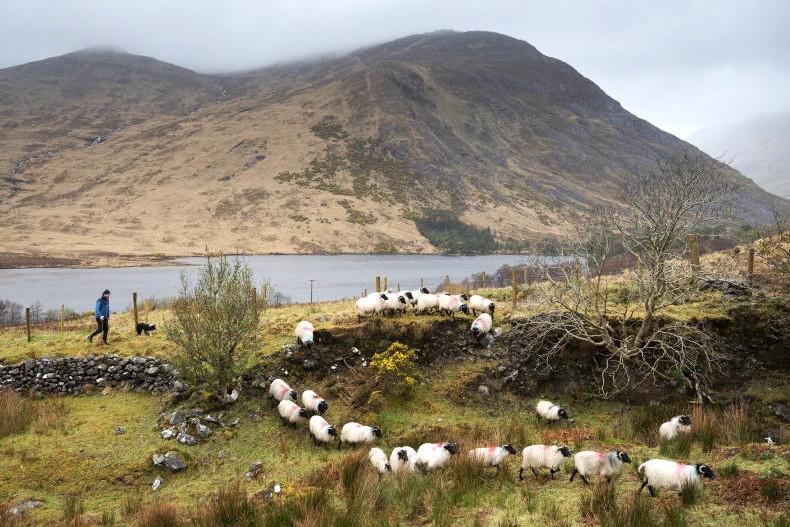
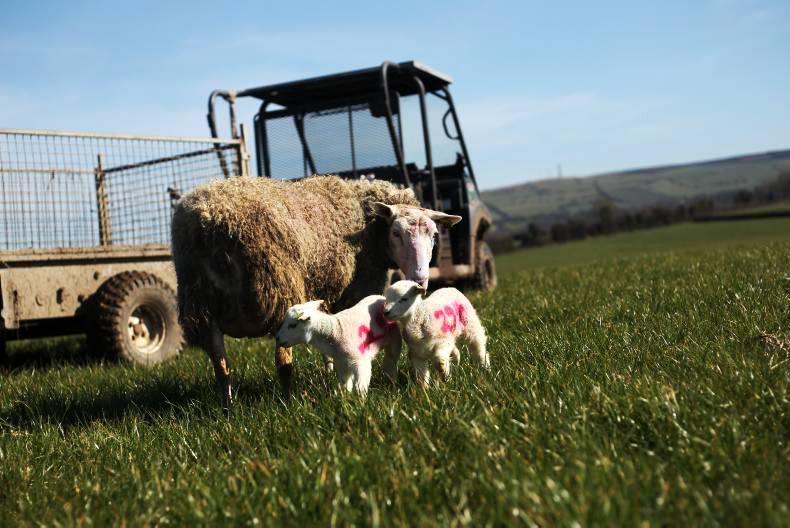
Sean also runs a mid-season lambing flock of 170 ewes, with all lambs finished on-farm. He also purchases an additional 400 store lambs each year for finishing during the winter. The sheep are kept on the home farm from lambing time and Sean has made a lot of improvements, such as fencing, to help improve grassland management and reduce labour.
The cattle are managed on the other three outfarms bring most of the grazing season and over the course of the programme, Sean has erected sheep fencing on the majority of his fields so he can graze store lambs over the winter months.
Gross margin
At the beginning of the BETTER farm farm programme, when developing Sean’s three year farm plan, the main focus was to increase the stocking rate to improve the output to help generate extra profits.
Sean also wanted to be able to run a beef finishing business that could sell heifers every month and buy in heifers every month to improve farm cashflow and reduce the risk of market price volatility at purchase and selling time.
Sean’s gross margin at the beginning of the programme was €675/ha on the cattle enterprise and €701/ha on the whole farm. In 2013, Sean increased the number of heifers purchased and in 2014, he slaughtered 337 heifers.
As a result, Sean’s profit monitor results have shown a steady increase in stocking rate, beef output and output value. In 2014, the cattle stocking rate increased to 2.45LU/ha and produced 30% more liveweight of beef than in 2011. As a result, the farm’s output value has increased by almost 60% from €1,221/ha in 2011 to €1,946 in 2014. The overall farm gross margin on this farm (cattle and sheep enterprises) has increased from €701/ha to €967/ha in 2014.
Grassland Management
As Sean has been working on buying in and finishing extra cattle each year to increase the farm stocking rate, it is also very important that he manages his grassland so that he can provide sufficient feed for the higher stocking rate during the grazing and winter feeding period. Sean increased the number of paddocks on the farm to allow him grow more grass by protecting plant regrowths and improving utilisation.
Implementing the rotational paddock system and walking the farm each week to measure grass growth assists Sean in budgeting his grass supply so that he has more control of his pre-grazing sward heights to ensure cattle are consistently eating highly digestible grass during the grazing season to maximise liveweight gain.
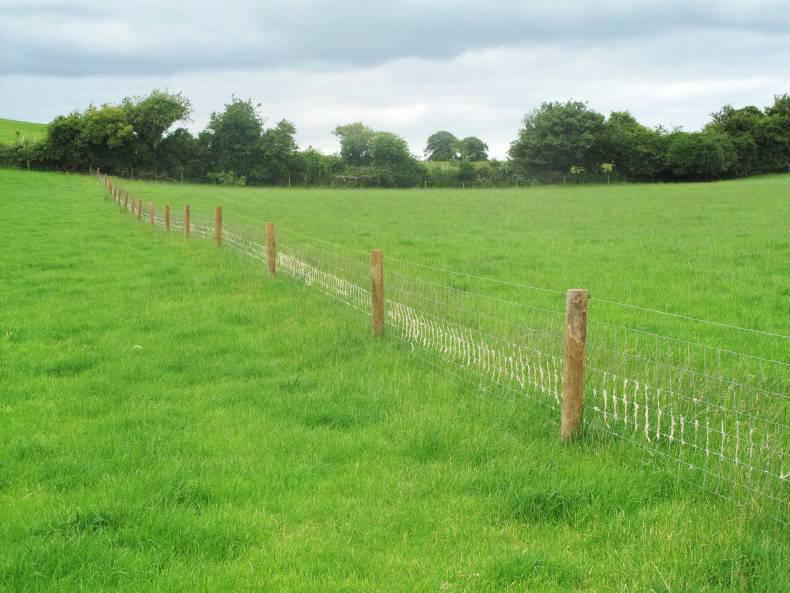
Sean has invested by erecting permanent electric fences on the main cattle farms that can also be subdivided with wire reels and plastic stakes if need be. He has also invested in sheep fencing the boundary fences of nearly all his fields, so he can graze store lambs as part of his last rotation in the autumn.
Soil fertility plays a key role in growing grass. Sean took soil samples on the whole farm in 2013 and, as with many Irish farms, the results indicated that the farm was low in pH, phosphorous (P) and potassium (K).
As the pH of the soil is very important in regulating nutrient uptake and efficiency of fertiliser usage, Sean focused on correcting the pH status of his soils first by spreading ground limestone.
Only 15% of the farm tested index 3 and 4 for P, with approximately 65% and 19% at index 1 and 2.
Similarly, 42% of the farm tested index 3 and 4 for K, with 58% of the farm in index 1 and 2. Sean has now spread more compound fertiliser in the form of 18:6:12 to fields with low fertility.



SHARING OPTIONS