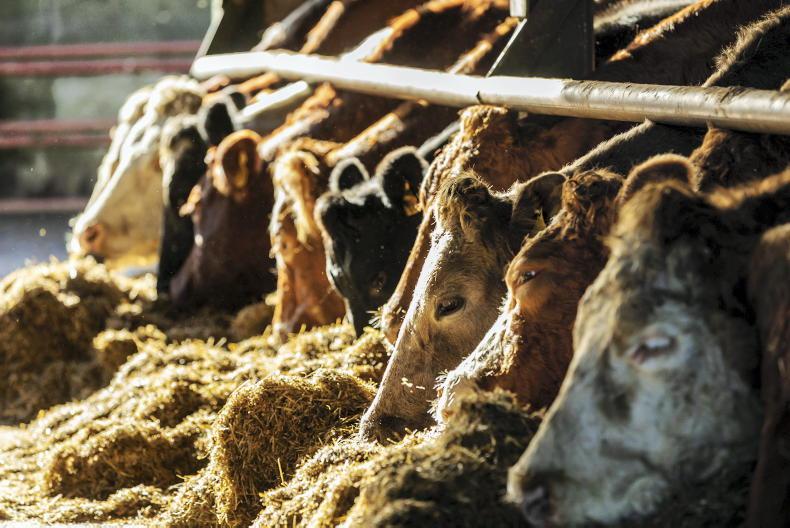
With wet weather continuing into next week and ground conditions deteriorating, the majority of farmers are now considering housing cattle in the coming days.
Taking time now to plan a smooth transition into housing will help support animal health and performance over the winter.
Given the recent focus on weanling pneumonia across the agricultural sector, any remaining calves on farms should now have received worm treatments and completed their vaccination programme before housing with their dams ahead of weaning.
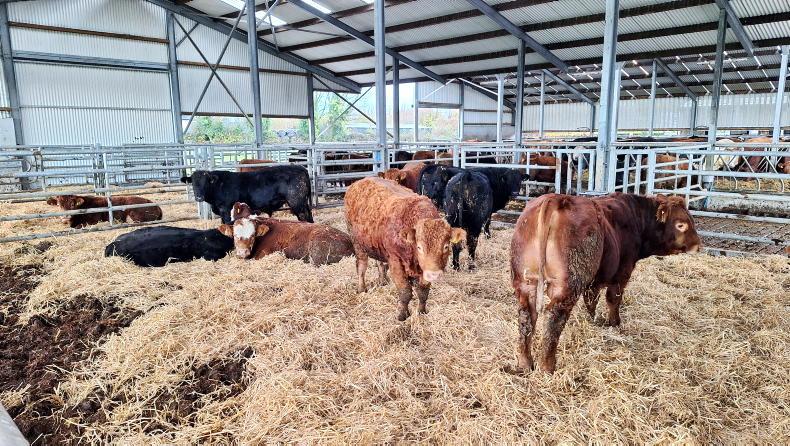
Where possible, freshly housed cattle should be kept in a separate shed or air space from older or previously housed stock to reduce the risk of infection.
If this isn’t feasible, aim to house all animals in the same shed at the same time.
House in batches
Housing suckler cows in batches according to their body condition score (BCS) and estimated calving date (if known) enables the correct feeding levels to be applied during the winter. This will allow for easier vaccination of cows pre-calving.
Farmers should aim for cows to calve down at a BCS of 3 to 3.5. Cows that are too fat or too thin result in higher risks during calving from difficult births to weak calves, making proper winter nutrition essential.
Meal feeding
As cattle move from grass to a silage-based diet, the rumen microbiome requires some time to adjust. Feeding all livestock a small amount of meal for the first 10 to 12 days after housing enables easier monitoring of livestock if any issues arise with animal health.
Ideally, young calves will have been eating creep feed, which helps them transition more smoothly into housing. It’s important they remain on the same ration for a period of time once housed and no abrupt changes to feed type are made, as this can affect intakes.
Providing respiratory support through complementary feedstuffs, such as powder additives or mineral licks, can further support animal breathing and clearing of airways to further aid animal health until animals settle indoors.
Water supply
Ensure all drinking troughs are thoroughly cleaned before housing. Inadequate water intake can cause stress and negatively affect performance.
As a guide, cattle may consume up to 15L of water per day for every 100kg of liveweight. Check that flow rates are sufficient to meet this demand.
Clipping
Clipping the backs of cattle at housing helps them regulate body temperature more effectively and reduces the risk of overheating, sweating and pneumonia in calves.
Before clipping stock, consider if you will use a pour-on product to treat parasites in the coming weeks. Read the product datasheet or label, as some are not suitable to be applied to clipped cattle.