



Even though we’re only at the end of August, it’s time for farmers to turn their attention towards preparing sheds for winter housing. While the weather has been dry and farmers in the west will be hoping to shorten their winter and capitalise on good grass supplies, in the south and east it’s a different story – with the majority of farmers supplementing forage to cattle and, in some cases, farmers deciding to house beef cattle for finishing on the back of poor grass supply.
For those that haven’t housed yet, winter is approaching and the next few weeks provide the perfect chance to carry out small repair jobs and get sheds clean and ready for livestock again.
Here are five tips to get sheds ready and in good condition ahead of housing.
1. Cleaning, washing, disinfecting
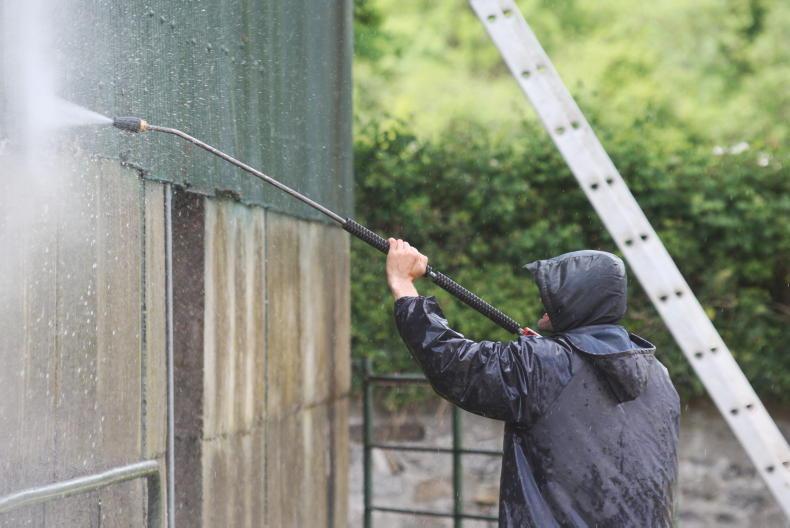
Farms that have not yet cleaned out sheds need to prioritise this task; cleaning out and washing sheds is the bare minimum farmers should do before housing cattle. Ideally, sheds should be cleaned and washed out in early summer to allow a long period for drying out. It is recommended to let sheds dry for at least three months during the summer.
With winter approaching, there is still a benefit to washing out sheds, especially where calving will take place.
A lot of infectious agents, including cryptosporidium, can survive in dried faeces over the summer months, so it’s important to remove faecal material and let sheds dry out prior to disinfecting. This will avoid a disease build-up and carryover of infection from last winter. It is very important to use the appropriate disinfectant agent for maximum effect.
2. Shed repairs
Many farmers operate on a part-time basis and it is extremely important to have good facilities, as lots of farming will be done in the dark, with either early morning or evening work.
Check the shed and yard lights, ensure gates and doors are hanging and swinging, and it’s no harm to get a second set of eyes to point out any dangers that need repairing.
Large swinging doors should be replaced with sliding doors where possible.
3. Check shed ventilation
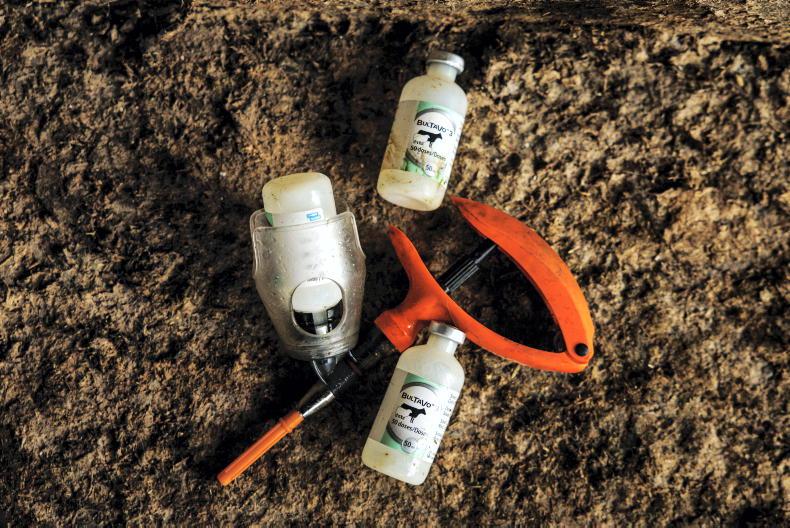
Air flow is very important to the health of animals over winter, especially young stock. Trees and hedges can grow over the summer months and reduce the air circulation in sheds. Where farms had previous respiratory issues, such as pneumonia, improving air-flow in sheds is the next priority after vaccination.
Hot air moves upwards in cattle sheds, so it is important that there is an unimpeded exit out of the shed to maximise ventilation.
Farmers can purchase simple smoke bombs and let them off in the shed. If the smoke stays present for a long period and doesn’t have a direct exit, it is something farmers need to address.
4. Water supply
Make sure all drinkers in sheds are working properly and not leaking before cattle are housed. Completing these jobs when sheds are dry and clean is a lot easier than when there are cattle in the shed and space is limited.
5. Straw supply
Straw could be in short supply, so it’s important to have a plan to source it, if you have not done so already. Straw offers a warm bed for newborn calves over the winter months. Leaving this task until the last minute can end up being expensive if straw is not easy to source. Have a back-up plan, eg plastic slats in creep areas or sawdust.




SHARING OPTIONS