


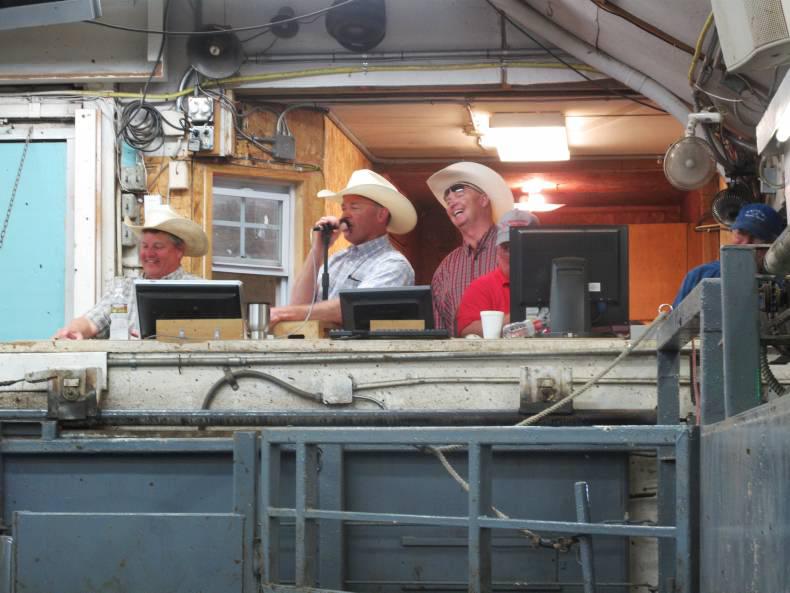

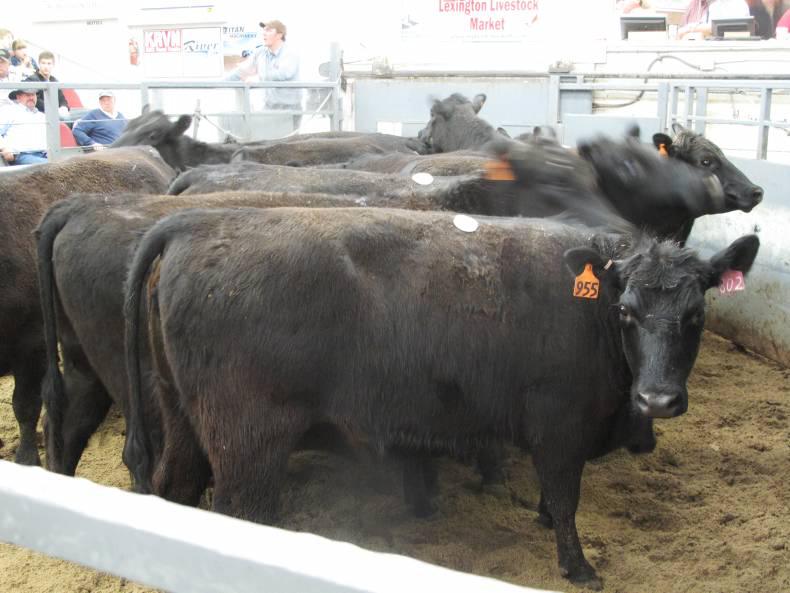
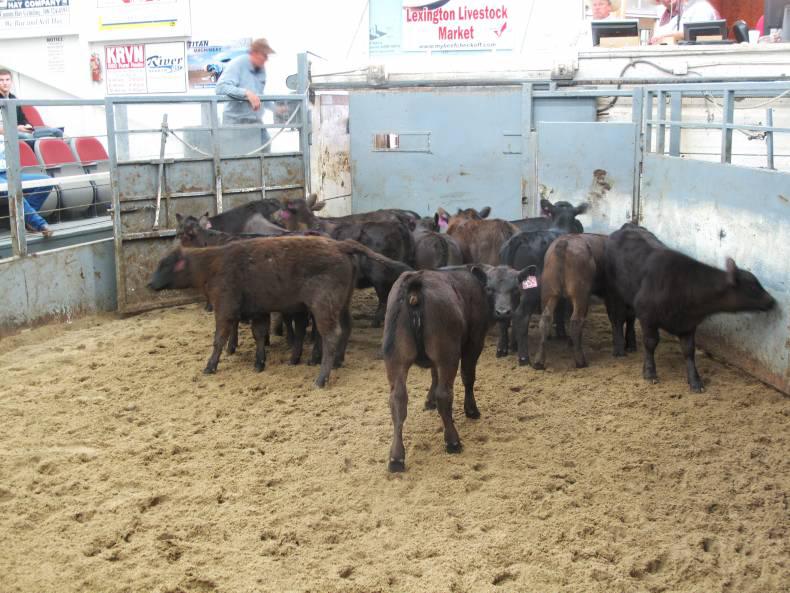
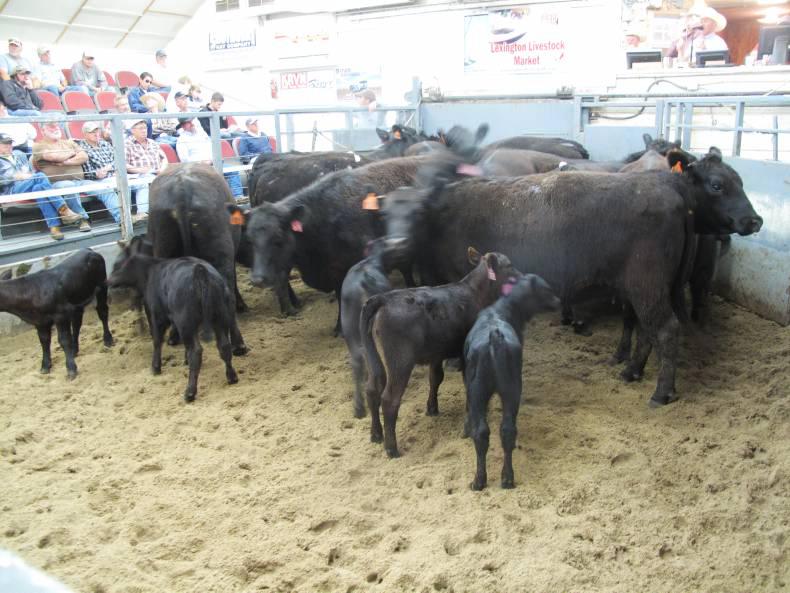

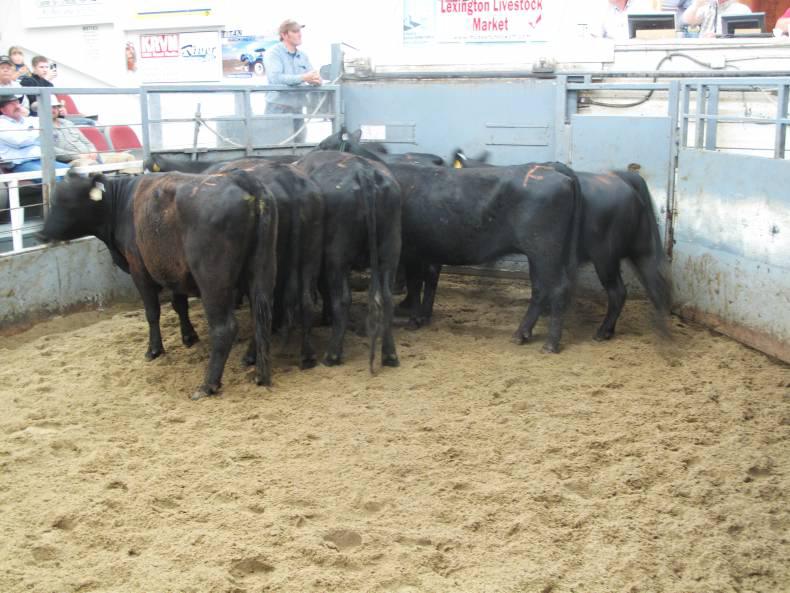
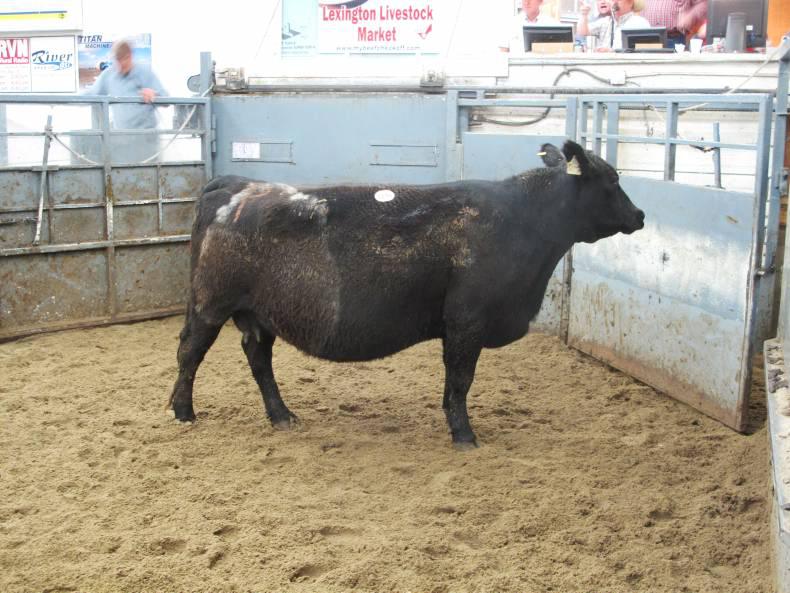
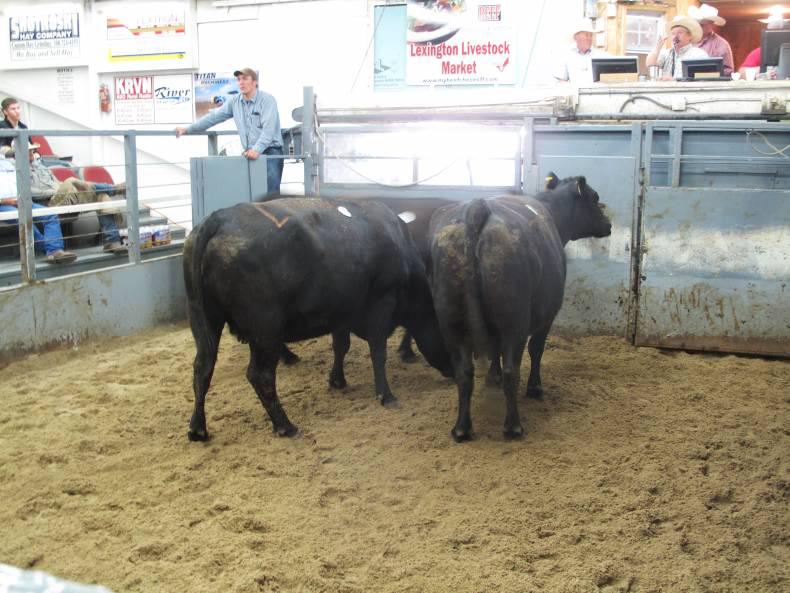
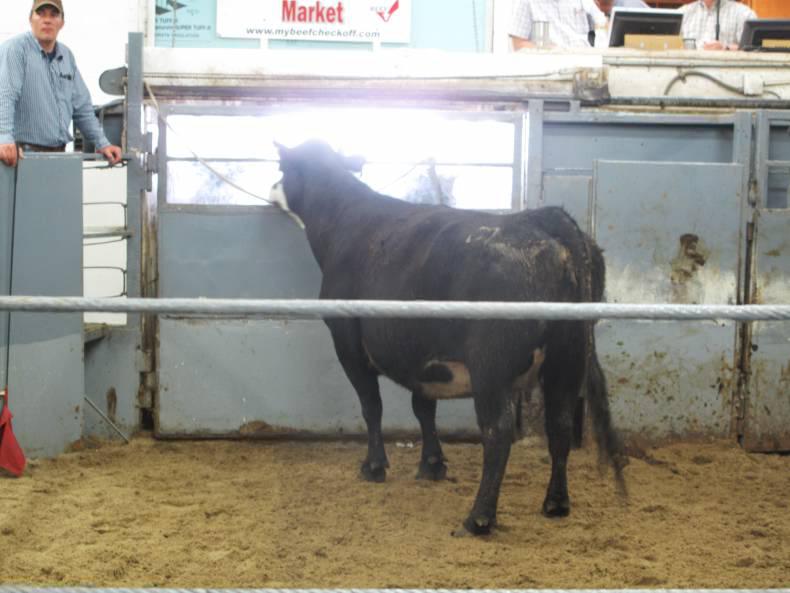
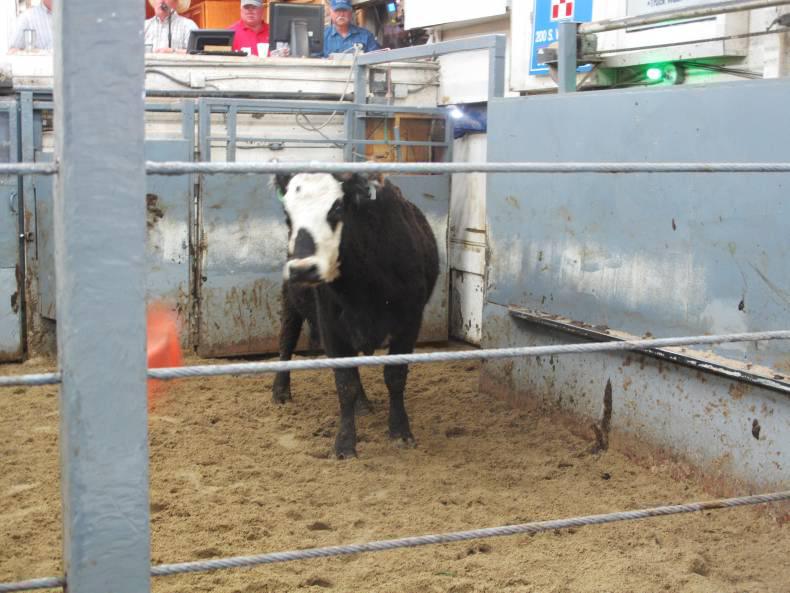
A sharp decline in US cattle supplies, stemming primarily from severe drought conditions, has witnessed cattle prices soar to record levels. A recent visit to Lexington Livestock Market LLC Nebraska, America, as part of the Alltech Rebelation symposium in Lexington Kentucky showed first-hand the strength of the trade.
The mart, owned by Rick Shoemaker, was selling about 1,000 head on the day we visited, including suckler cows with calves at foot, in-calf cows, cull cows and a small entry of store cattle. Like Irish marts, sales are smaller in the summer months, with peak sales from November to January trading 5,000 head of cattle.
First- and second-calf suckler cows, the majority of which were Angus cows and Angus calves, were an excellent trade with prices ranging between €2,800 and €3,400 per unit. Demand for breeding stock has outstripped supply in the last two years because of the liquidation of breeding herds in response to drought conditions.
Cows weighed 550kg to 620kg on average, with calves aged from a few weeks to two to three months old. Older third- and fourth-calving cows sold from €2,500 to €3,000, while aged cows, classified as having a good solid mouth, sold from €2,200 to €2,700 depending on the quality of lots. Broken-mouthed cows (poor/missing teeth) with calves at foot sold back to €2,000 per unit.
Stock are traded in a similar format but lots are generally sold in large multiples of 10 to 20 animals, and a small percentage of animals are sold individually. Cows with calves at foot are sold on a per-head basis, with store and beef cattle sold on a $/lb basis. The age of animals is not listed on the mart board, with the age only known on a small percentage of lots where farms have their own recording system.
Sale uniformity
On entering the mart, all cattle are inspected by mart staff with cattle worked by cowboys on horseback. The inspector scrutinises the animals for the seller’s brand (hot or freeze brand), which according to mart staff avoids cases where a neighbour’s animal may have got mixed into the sale lot. Animals are also grouped on age and sex and matched to deliver a uniform group on weight and quality.
In-calf cows passing through the ring are classified on their weight, age and pregnancy status (in-calf, not sure or showing signs of calving). Angus cows weighing 600kg to 680kg and showing signs of approaching calving were selling from €1,400 for aged cows with a good mouth, and younger cows made €1,800. Cull cows are described on their potential kill-out percentage with cows lacking flesh selling from €1.40 to €1.70/kg, rising to €2.70/kg for slaughter-fit cows.
Store trade
No store cattle passed through the ring at the sale but reports also point to an excellent trade. The main buyers for weanlings are feedlot buyers or farmers buying cattle to bring to store stage before selling on again. The majority of cattle are finished in a feedlot system.
Prices have more than doubled in the last five years, with weanling and yearling store cattle rising from the equivalent of €1.16/kg to a peak of €3.00/kg to €3.30/kg in 2014. Prices have settled in 2015 but are still at record high levels for the US, ranging from €2.80/kg to €3.00/kg for steers and heifers weighing 200kg to 350kg.
While there are not many dropped or young calves sold in the mart, with most sold as suckler units, those that are appearing are selling exceptionally well. Angus and Hereford calves are selling from $500 to $700, or the equivalent of €440 to €614 per head for calves aged from a few days old to a couple of months. Reports indicate Holstein Friesian dairy bull calves selling direct off farms at a day old ranging from €350 to €400 per head with a doubling in beef prices leading a similar trend in the live trade.
Commission rates
The seller pays full commission with no charge to the buyer. Weanling and store cattle which the mart classify as “feeder” cattle are charged commission of about €11 per head while suckler cows with calves are charged €21 in the mart. The mart explain that they have to keep prices low to entice farmers to trade in the mart over private farm to farm or farm to feedlot sales. The mart also has online bidding and selling options which is a small part of their business but one they say meets niche market demand and keeps them in line to compete for business.




SHARING OPTIONS