




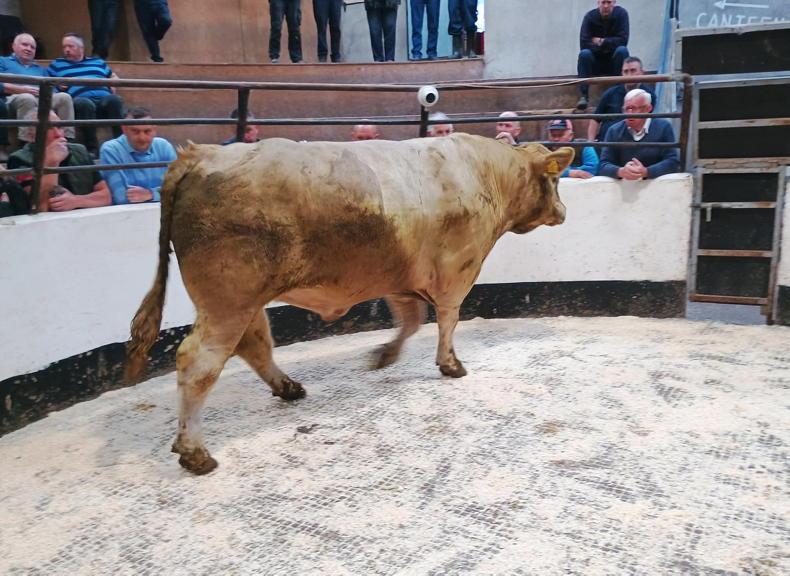
It’s been another good year for marts. A buoyant cattle trade has left clearances rates very high, with the most recent sales data from the Department of Agriculture showing that the number of animals returning back to the farm they came from unsold has halved in the first six months of 2025, even though there were more animals presented for sale in marts during this period. The number of animals traded in marts from January to June 2025 crossed the one million head mark for the first time in recent years.
The number of animals traded stood at 1,046,845 head for the period of January to June 2025, up 57,897 head on the same period in 2024. While the increased sales are positive, marts remain concerned about the trend in dropping livestock numbers, particularly in the west of Ireland, where marts are competing more for stock.
Suckler beef births are back just over 23,000 head up until the middle of August, with 250,000 less suckler births on Irish farms over the last 10 years. A lot of these would have been traded through marts, so the reduced numbers are presenting challenges for marts.
High live exports have also compounded the problem. If calves or weanlings remain in the country, there’s a chance they will come back to a mart to be sold, but when they are exported, they don’t come back. Online sales during COVID-19 demonstrated the mart industry’s ability to move with the times and the latest innovation has been sales from TB restricted herds.
Numerous marts have held TB restricted sales in the last few weeks offering restricted herds an avenue to sell. Prior to this they were price takers, but now controlled finishing units can all compete for animals offered for online sale. Marts are still the most secure way for farmers to sell cattle, but there are challenges ahead if marts are to hold their place in the farming landscape.


SHARING OPTIONS