


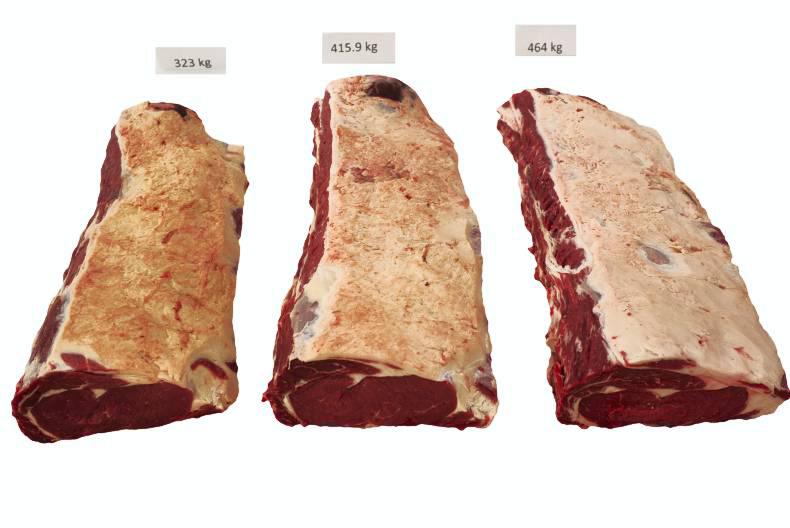
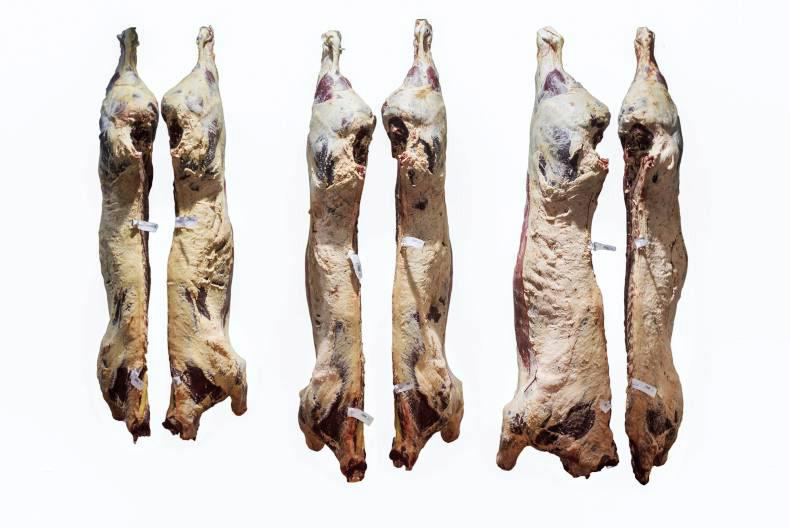
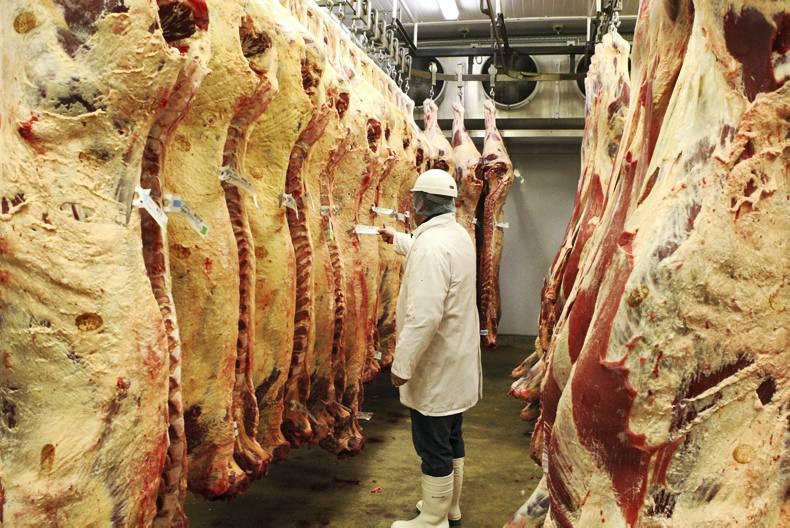
Over the next two weeks, the Irish Farmers Journal will analyse the profile of all cattle killed on the island of Ireland in 2015. This is done from analysis data supplied by LMC and ICBF for cattle killed either side of the border.
This week we concentrate on the Northern Ireland kill and next week we look at weight penalties on cattle over 420kg, which have been a big issue in recent weeks and are featuring regularly on the IFA presidential hustings.
In Northern Ireland, cattle specifications were a big issue two years ago when factories imposed severe penalties, starting with quality assurance and extending it to other requirements for major supermarkets and major burger chains.
These included weight limits, a maximum of four farm residencies, a minimum 21-day or 30-day standstill period on the last farm prior to slaughter and an age limit of 30 months. Penalties of £150 per animal were threatened, and, while various penalties have been imposed, they rarely if ever reached this level.
Weights
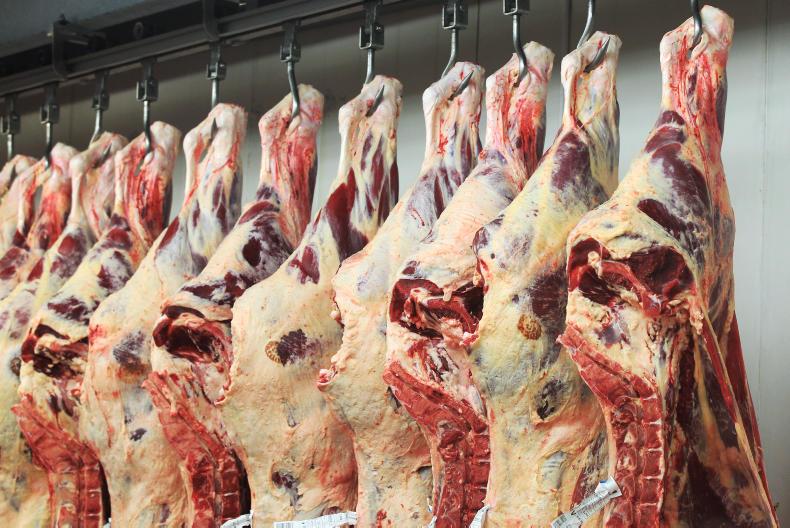
Carcase weights for steers in Northern Ireland crept up from 7.1% to 8.4% over 420kg in 2015 compared with 2014. The number in the range between 380kg and 420kg also increased in 2015, to 22.8% compared with 19.2% in 2014. Steers under 280kg accounted for 6.8% of the total in 2015, down from 9.9% in 2014. The ideal weight specification is considered to be from 280kg to 380kg in general, though there are variations between factories in Northern Ireland. This range was met by 61.8% of steers in 2015, compared with 63.9% in 2014.
Unsurprisingly, being overweight is less of an issue in heifers, and being underweight is more of an issue. Only 0.7% were over 420kg in 2014, with 1.2% over in 2015. In the 380kg to 420kg range, 2015 saw an increase from 4.6% to 6.9%. It is in the under 280kg category where the greatest issue tends to be with heifers, though here a growing number of Aberdeen Angus is an influence. In 2015 it was an improving picture, with 15.9% under 280kg compared with 20.5% in 2014.
In the young bull category, 7.4% were over 420kg in 2014, with this figure rising slightly to 8.9% in 2015. At the other end of the scale, there were plenty that didn’t make the 280kg mark, with 30.4% below in 2014 and 26.3% in 2015. When the 280kg to 320kg bulls were counted, it left just 49.6% in 2014 and 49.3% in 2015 in what is considered the ideal weight range.
Age at slaughter
Looking at the age profile of steers and heifers killed in Northern Ireland, 85% of steers were slaughtered at under 30 months in 2014, and this figure was 1% higher at 86% in 2015. Most of the remainder (13%) were slaughtered before they reached 36 months.
For heifers it is a broadly similar picture, with 86% processed under 30 months in 2014 and 85% in 2015, leaving 12% and 13% respectively in the 30-month to 36-month bracket and 2% in the 36-month to 48-month range. It is likely that these were intended to be cows, but didn’t turn out to be in calf.
Number of farm residencies
The limit in the number of farm residencies allowed by factories in Northern Ireland was probably the greatest single controversy when introduced in 2014. A prolonged standoff with the marts lasted for several months before they agreed to announce the number of residencies for buyers at sales. In practice, a relatively small number of cattle in Northern Ireland have more than four residencies. In 2014 it was 3% of heifers, 5% of steers and 1% of young bulls while in 2015, it was 1% of heifers and young bulls and 3% of steers.
Standstill period on farm
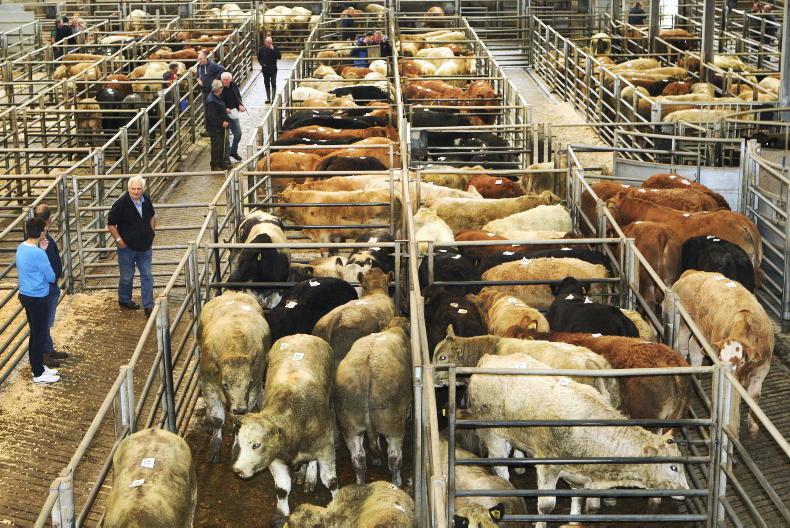
This specification requirement is the one that is the greatest threat to marts as it means for customers that have it in their specification, cattle cannot be bought in a mart for direct slaughter. This is on animal welfare grounds requiring that an animal travels in a rested state. It is strongly opposed by marts everywhere as it effectively reduces a farmer’s options when selling finished cattle and similarly prevents a factory using the mart to top up its cattle supplies. As for the numbers, in 2014, 94.1% of cattle slaughtered were resident for more than 30 days on the last farm and this figure fell slightly in 2015 to 91.3%. There were a further 1.7% in the 21-day to 30-day range in 2014 and 2% in 2015. That meant that 4.2% in 2014 and 6.8% in 2015 were less than 21 days on the last farm, and it is likely that many of these were animals coming from marts for direct slaughter.
Quality assurance
Quality Assurance is now a well-established principle for cattle going to the factory in Northern Ireland. In both 2014 and 2015, over 99% of all prime cattle were Quality Assured. Quality Assurance in Northern Ireland goes beyond the farm and factories and includes marts and haulage as well. It means that half of Northern Ireland’s cattle kill has lifetime assurance, an issue that arises from time to time in Britain.



SHARING OPTIONS