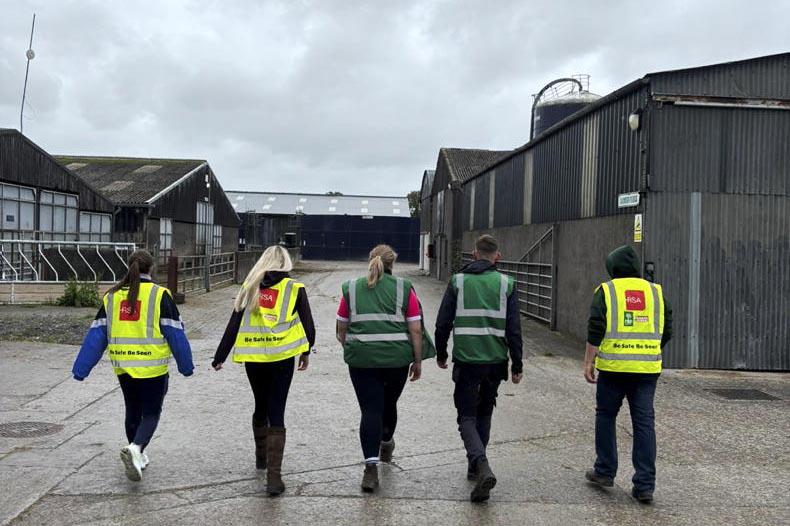
For many students, a work placement or internship is one of the most anticipated parts of college. It offers the opportunity to step out of the lecture theatre, apply classroom learning in a real workplace and gain experience that could help secure a job after graduation.
Placements are now a core part of many degree programmes, particularly in areas such as agriculture, veterinary medicine, engineering, nursing, teaching, business and the sciences. They give students valuable insight into their chosen profession, while helping employers identify future talent.
However, while placements can be hugely rewarding, they also come with challenges that many students do not consider until they begin.
From unexpected costs, to long commutes and balancing professional expectations, preparation can make the experience far less stressful.
Planning ahead
One of the first questions students should ask is whether their placement is paid. While some employers provide a salary or allowance, many placements, particularly those that form part of a degree programme, are unpaid. This can create financial pressure, particularly if students need to reduce hours in a part-time job while working full-time on a placement.
It is important to understand what financial supports, if any, are available before accepting a placement. Some employers may contribute towards travel or provide subsidised meals, while others may not offer any financial assistance. Understanding these arrangements early allows students to budget realistically.
Travel is a cost that can quickly add up. Daily commuting by car or public transport may seem manageable initially, but fuel, parking charges, tolls or train fares can become a significant expense over several months.

Accommodation
Suitable placements may not be available locally, meaning longer journeys or temporary accommodation may be necessary. Factoring these costs into a budget before the placement begins can help avoid unexpected financial pressure later.
Accommodation can also become an issue, particularly for students who secure placements far from their college or family home. Some may find themselves paying rent in one location while also needing temporary accommodation closer to their placement. Even where commuting is possible, long daily journeys can leave little time for study, assignments or personal commitments.
Students should also consider the practical costs associated with starting work. Depending on the industry, this may include purchasing appropriate clothing, safety boots, waterproof clothing, laboratory coats, scrubs or personal protective equipment. Some placements may also require students to have access to a laptop, specific software or professional equipment before they begin.
Certain professions also require additional checks before students can commence placement. Depending on the course, this could include Garda vetting, occupational health assessments or mandatory vaccinations. While universities generally provide guidance on these requirements, leaving them until the last minute can delay the start of a placement.
Making the most of your placement
Although the financial costs are important, the professional expectations of placement can come as an adjustment. Unlike college, where timetables may vary from day to day, placements often involve working standard business hours. Students are expected to arrive on time, communicate professionally and take responsibility for their work.
For many, this is their first experience of a professional working environment. It can take time to adapt to workplace routines, but developing good habits early can leave a positive impression on supervisors and colleagues.
Many students underestimate how much they learn during placement, until they are asked to describe their experience months later
Students should also remember that a placement is more than simply another module to complete. It provides an opportunity to observe experienced professionals, ask questions and develop practical skills that cannot always be taught in a classroom.
Being willing to volunteer for new tasks, seek feedback and show initiative can help students gain far more from the experience than simply completing the minimum requirements of their placement.
Networking is another aspect that is often overlooked. The people students meet during placement may later become referees, future colleagues or even employers. Building professional relationships, maintaining a positive attitude and demonstrating reliability can open doors long after the placement has ended.
Students should also take time to understand how they will be assessed during placement. Depending on the course, employers may be asked to complete performance reviews, while students may have to submit reflective journals, portfolios or reports as part of their overall grade.
Keeping notes throughout the placement, recording projects completed and reflecting on new skills can make these assessments much easier to complete. It is also worth familiarising yourself with your college’s expectations before the placement begins, as deadlines and assessment methods can vary significantly between courses.
Many students underestimate how much they learn during placement, until they are asked to describe their experience months later.
Treating placement as both a workplace and an academic module can mean getting the most from the experience.
Looking beyond graduation
While placements can be demanding, they also allow students to discover whether a particular area of work genuinely suits them. Some may confirm they have chosen the right career, while others may realise they would prefer to specialise in a different field after graduation. Both outcomes can be valuable, providing greater clarity before entering the workforce full-time.

Another important lesson many students learn during placement is the value of professional reputation.
Employers are often less concerned with whether a student knows everything on their first day than with whether they are willing to learn, communicate effectively and take feedback on board.
Asking questions, admitting when you are unsure and showing enthusiasm are qualities that supervisors regularly value. Even if a placement does not lead directly to a job offer, leaving on good terms can be beneficial.
A positive reference, a professional contact or even a recommendation for another role can prove invaluable when applying for graduate positions.
Many students find that the relationships they build during placement continue to benefit them long after they return to college.
Students should not be discouraged if the first few weeks feel challenging. Learning new systems, meeting new colleagues and adjusting to a workplace environment can be overwhelming initially, but confidence generally grows as experience develops.
Preparation is one of the best ways to reduce unnecessary stress. Confirming start dates, understanding workplace expectations, planning travel, organising accommodation where necessary and budgeting for additional costs can all help ensure the transition from college to placement runs as smoothly as possible.
Opportunity
A successful placement is about far more than earning academic credits. It offers the opportunity to develop confidence, gain practical experience and build professional relationships that may influence future career opportunities.
By understanding the financial, practical and professional realities beforehand, students can focus on making the most of an experience that is often one of the most valuable parts of their degree.