



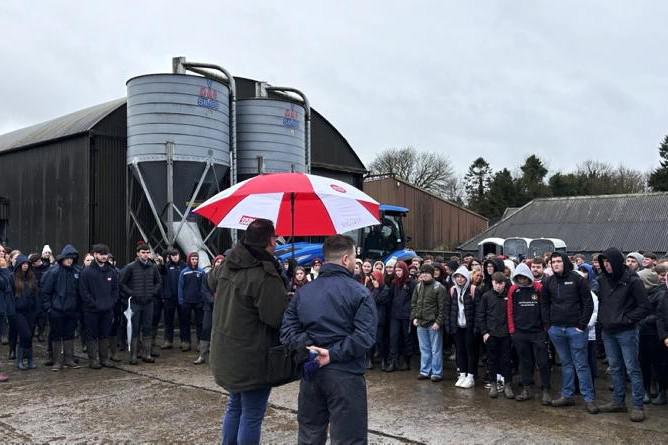
Students and teachers have the opportunity to leave the books and the classroom behind them and attend a real-life working farm for an interactive day of learning as part of this year’s Farm Walk and Talk series organised by Agri Aware.
Across 14 locations, over 4,000 students are expected to witness first-hand the latest agricultural techniques and practices while seeing real-world applications of farming.
Speaking at the Farm Walk and Talk on the Irish Farmers Journal’s suckler and sheep demonstration farm in Tullamore, Marcus O’Halloran, executive director of Agri Aware, emphasised the importance of events like these.
“The benefit of Farm Walk and Talk is to give students who are studying Leaving Cert Ag Science a chance to get out onto a real-life working farm. A lot of students who are doing the subject might not be from a farm, but this gives them the chance to see practically what actually happens and to put the theory into practice,” says Marcus.
With the rise in social media and artificial intelligence (AI), Marcus believes that the importance of hearing from experts in the sector is more important now than it ever has been.
“ChatGPT will spit back relevant information to you in a minimalistic format. The reality of it is, students here on Tullamore Farm today or at the other talks are going to hear from experts who write about this stuff every single week. Whether we’re talking about breeding the best sucker animal, grassland forage, animal breeding, or sheep, you’re hearing from people who are actually studying this almost every week. This is what the likes of an experience like this can do: you can see first-hand what the amount of ration looks like that goes into breeding a sucker cow for getting it ready for calving. ChatGPT is great, but it doesn’t stimulate your mind. And days like today do that.”
The series runs across two weeks, with the final event taking place in Kildalton on 13 March.
Each event covers all the themes of the agricultural science curriculum, with the addition of a stand dedicated to the Individual Investigative Study (IIS) project that is worth 25% of the final grade. Students can talk to Agri Aware education officers and seek advice on their projects.
This year, the Laois and Offaly Education and Training Board (LOETB) has come on board to partner on the series with Teagasc, the Irish Farmers Journal and the UCD School of Agriculture and Food Science.
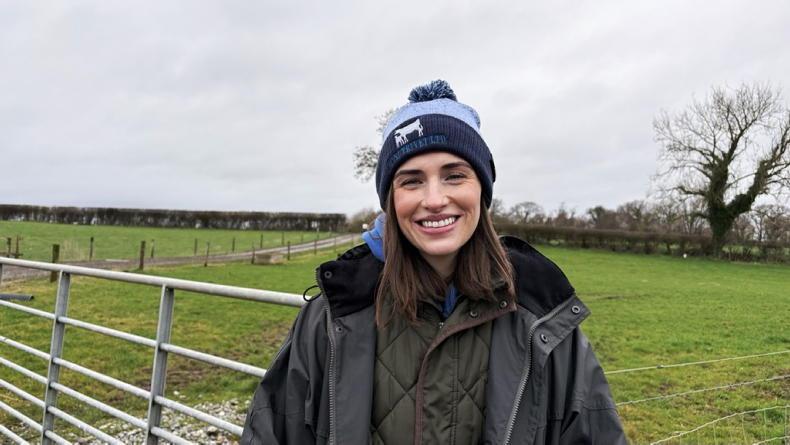
Irish Country Living spoke to some of the teachers who attended the event.
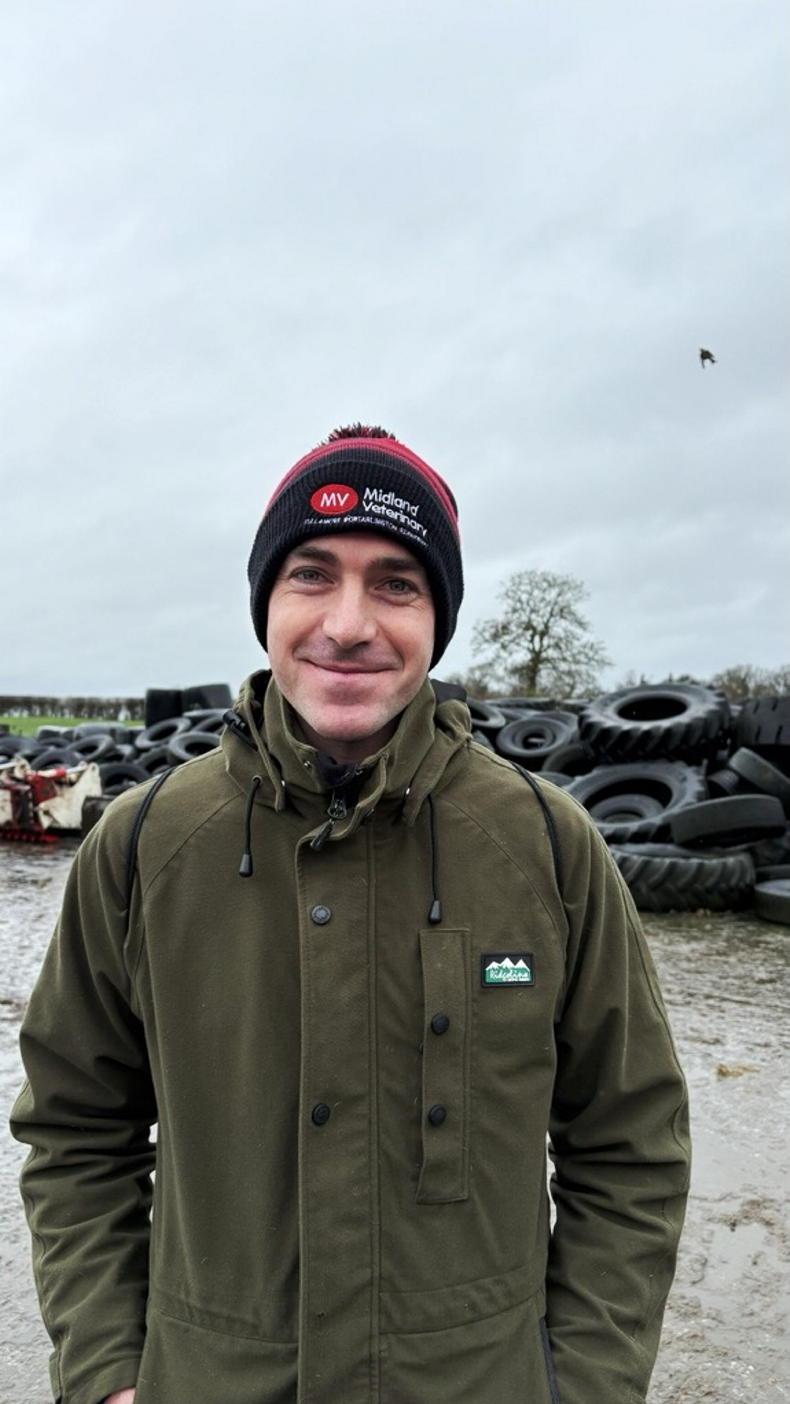
Fergal Leonard, Oaklands
Community College, Co Offaly
“The likes of today’s event is a great experience and opportunity for students who aren’t from farming backgrounds to see the way farm operations are run and the farmyard facilities.
“We take for granted that some of our students are from the town and don’t get the opportunity to get on to a farm from one year to the next. They can ask the questions outside of the classroom that can be answered by industry members. Even coming out in the bad weather, no matter what the conditions are, farming goes on. I took lambs into the school, and I couldn’t believe the number of students who had never seen a lamb before. Growing up on a farm myself, I took that for granted. These days are great, it’s a pity they are short and only happen once a year. I feel like every kid should go out and spend a week on a farm to even learn where their food comes from.”
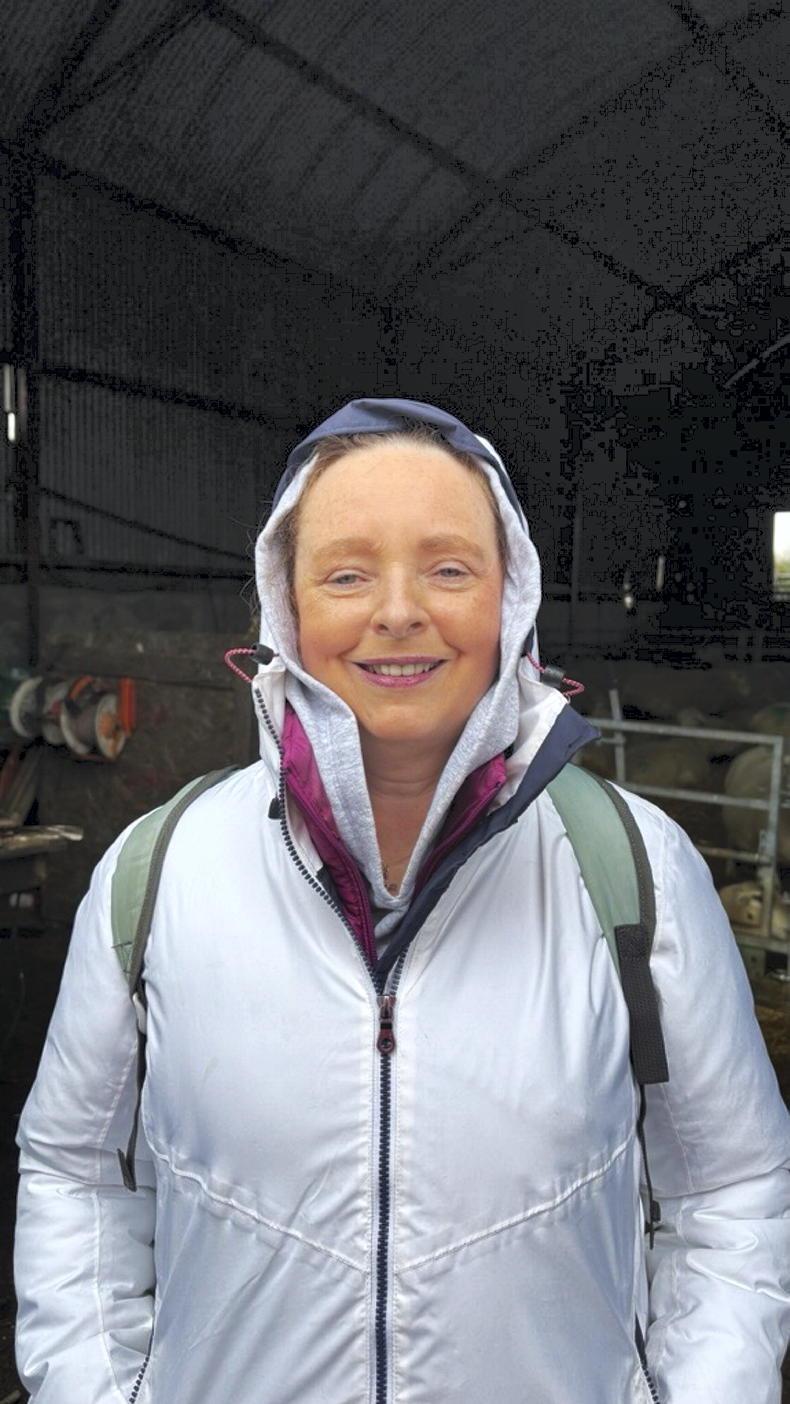
Majella Murphy, Kildare Town Community School, Co Kildare
“We have come to Tullamore today to have a look at all the different aspects of the ag science programme. Last year, we found that the students got great ideas from attending the Farm Walk and Talk. It excited them because hands-on learning always works best, and a lot of our students wouldn’t be from a farm themselves, so it is a very important part of their programme.
“There has been an increase in the number of students studying ag science at the moment. The project has been a very positive aspect. It allows them to connect farming to research. We have a lot of students who go on to study agricultural science, food technology, machinery and look into careers in the sector.”
Chris Gleeson, Portlaoise
College, Co Laois
“I have been coming to these Farm Walk and Talks for the last number of years, and I find them very beneficial, particularly for us as we are a town-based school.
“A lot of the students don’t come from a farming background and it is essential to get them out and about and see what we’re actually talking about in the classroom.
“When I go back to school tomorrow, we are going to have really good discussions about everything we have seen, and it brings up great talking points. Surprisingly for a town-based school, we have had good numbers doing the subject in recent years. When I started eight years ago, I had a small class of 11 students. We’re up to a full class of fifth years with 23 students so it is growing every year.”
Laura Cole, St Mary’s
Secondary School, Edenderry, Co Offaly
“For many students, particularly those who do not come from a farming background, seeing the workings of the farm in real life makes all the difference.
“Even something as simple as identifying cattle and sheep breeds, an essential for the Leaving Cert, is something many students may never have the opportunity to do in real life.
For students who farm at home, the visit offers a chance to step back and understand the science behind everyday decisions. Experiences like this ensure agricultural science is not just learned for an exam, but properly understood.”


SHARING OPTIONS